5 Things We Learned: Chicago Fire at D.C. United
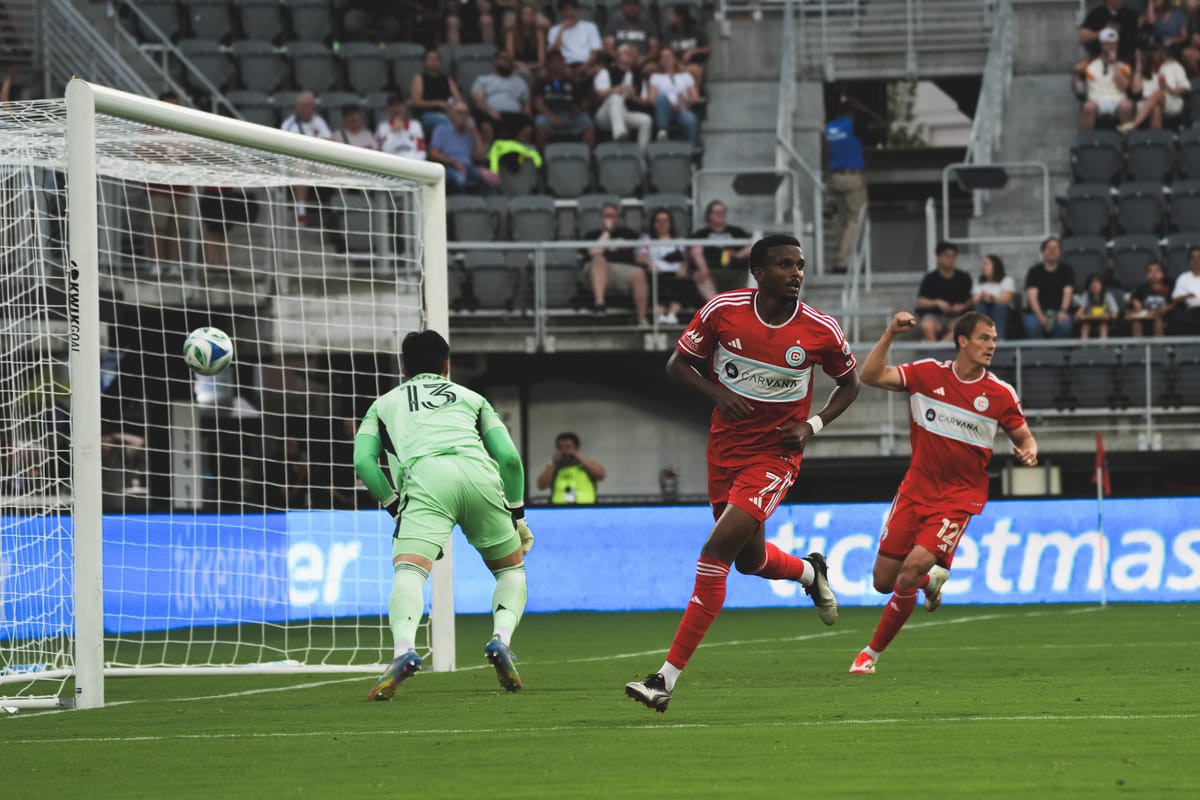
Let’s just get this out of the way: It’s important not to over-index the Chicago Fire’s 7-1 victory over D.C. United. Both teams put out heavily rotated lineups, and were missing a combined 20 players to injuries, international duty, or other causes, including key starters, and let’s be honest: It didn’t feel like a seven goal effort for the Fire, who took advantage of a D.C. team that was clearly out of their depth.
Still, there’s things to learn from the team’s 7-1 victory that gave the Fire their first hat trick in nearly eight years. Here’s lessons from the team’s sixth road win of 2025.
1. Seeing a team score seven in a soccer game can be fun
It seems like a million years ago, but the team travelled to Nashville for their final game in April still looking for their first win of the month. Real questions were being asked about whether or not the team’s strong play in March, which saw the Fire earn three road wins in a row, was an illusion. Instead, they got gut punched by Nashville, giving up five goals in the first half – including two penalties by Sam Surridge – en route to an eventual 7-2 loss.
That was the most goals the Fire had given up in team history, in any competition. It also made Chicago just one of two MLS teams to have both scored seven goals and given up seven in their history, alongside Kansas City and D.C., with the Fire’s defeat of the then-Kansas City Wizards 7-0 on July 4, 2001.
They’re now one of just two teams in MLS to have multiple games scoring seven goals in their history, alongside the LA Galaxy (who have done it three times: a 7-4 win over Colorado in May 1998, an 8-1 win over Dallas a month later, and a 7-2 win over Kansas City in 2019). They’re also one of just two teams, alongside Kansas City in 2019, to have both scored seven and conceded seven in one season.
Look, even if it wasn’t the best soccer game in any real sense of what ‘good soccer” is, it was still a lot of fun to watch. The fact that it comes on top of a May where the Fire were resurgent is just a great bonus.
2. The system is working
Ahead of the Gregg Berhalter’s first season in charge of the Chicago Fire, we said that “Berhalter has always been flexible” in his tactical approach, but that the team would still rely on “position-based play and basic patterns.”
Now we’re seeing the results of those efforts. Three players were given their first starts of the season against D.C. United: Tom Barlow up top, Maren Haile-Selassie on the wing and Omar González at center-back. With Philip Zinckernagel playing a deeper role as a No. 10 central alongside Kellyn Acosta in his first league start in over a month, it was also a heavily rotated midfield. Plus, it was just Jeff Gal’s second-ever MLS start.
Despite all the changes to the lineup, from kickoff, the team looked – and played – like the Chicago Fire that we’ve started to expect. In fact, when Rominigue Kouamé was injured in the buildup to the Fire’s first goal, Sam Williams came in for his first minus since March 29th and didn’t miss a beat.
Of course the absences still hurt the Fire, and a more skilled opponent (or even one with more of its best players available) would not have had the basic defensive errors that proved so costly to D.C. United. But the team’s overall system is giving the team the resilience to absorb absences while still getting results.
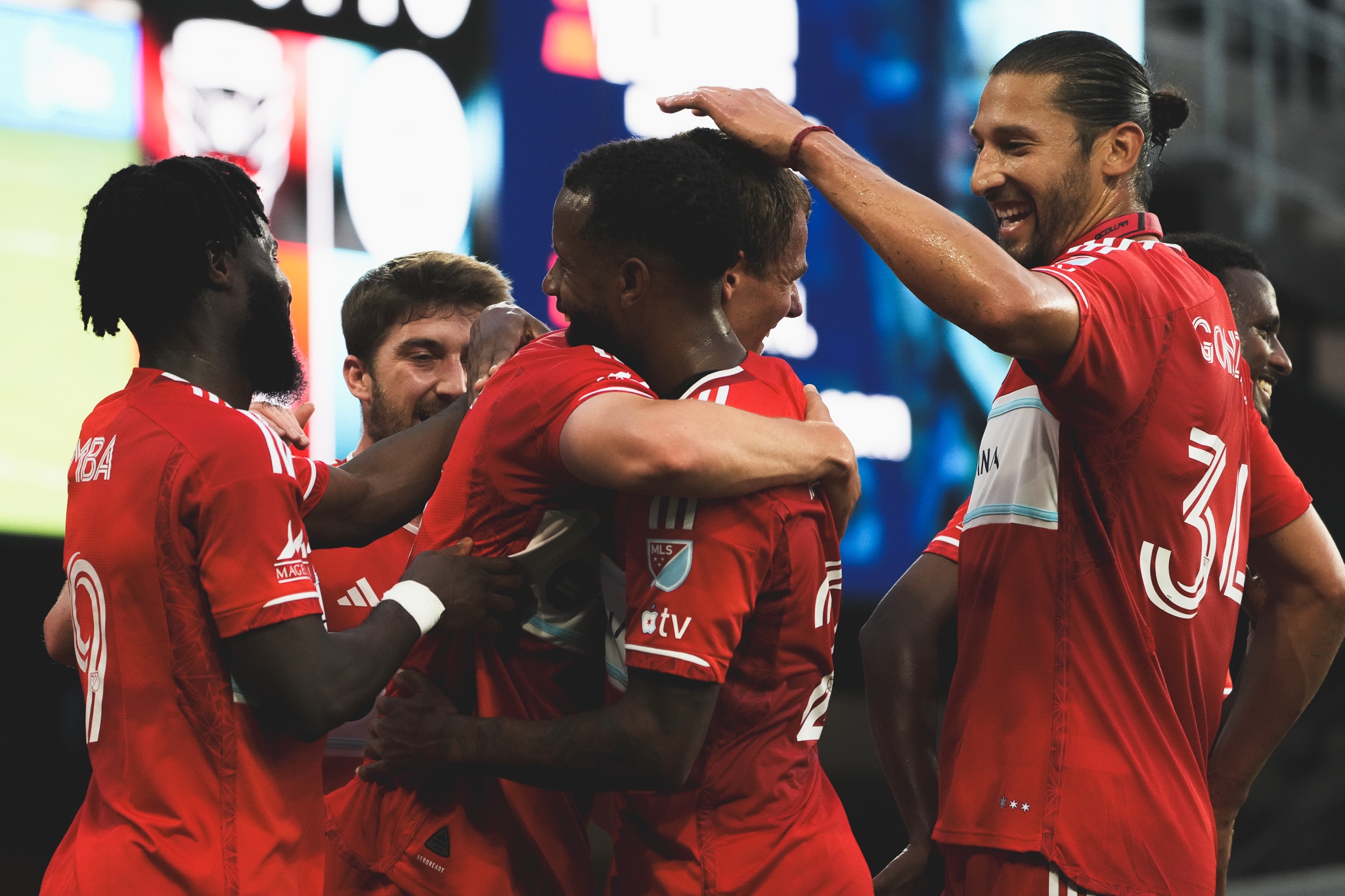
While Berhalter’s teams have often been described as being “possession-based” (including by us), the flexibility in the system is key: The team had just 42% possession against D.C. United, the third-least of any game the team’s played this season after their first game against D.C. and the team’s 3-1 loss to New York City FC, when the team was playing down a man for an hour. Some of that is game state, but it isn’t like the Fire were ever just sitting back and protecting their lead.
Possession isn’t control, however, and it never seemed like D.C. were in the driver’s seat. The Fire were still building out of the back when it made sense (that ended up giving D.C. their sole goal on the night, things have improved but it’s still a work in progress), but knowing that D.C. were likely to leave space behind their line, according to Berhalter, “the key for us was quick transitions.”
3. Andrew Gutman is good, man
The man who helped the Fire take advantage of that space and spring those quick transitions was Andrew Gutman. In just the third minute, Gutman broke up a D.C. attack in the Fire box with a header that he adeptly directed straight to Jonathan Bamba who passed the ball to Tom Barlow in D.C.’s half.
Winning the ball in the air to break up an attack (Gutman is 25th aerial duels in MLS this season with a 67.7% success rate), springing a quick transition knowing that D.C.’s high press would leave space. Those are becoming hallmarks of Andrew Gutman’s play in 2025.
The Fire weren’t able to convert that chance, but five minutes later, Gutman played a line-breaking pass to Maren Haile-Selassie, jumpstarting the attack that resulted in the Fire’s first goal of the evening. Later in the half, Gutman sprung the attack on Bamba’s goal, and had a highlight-reel worthy pass to Tom Barlow who sent it into the net on his first touch.
Gutman also got things going for the Fire on Barlow’s second goal of the evening that put the Fire up 4-0 and made it seem like the game was truly out of reach for D.C. United. Gutman was involved in all four of those goals, and his play on both sides of the ball has been excellent for the Fire.
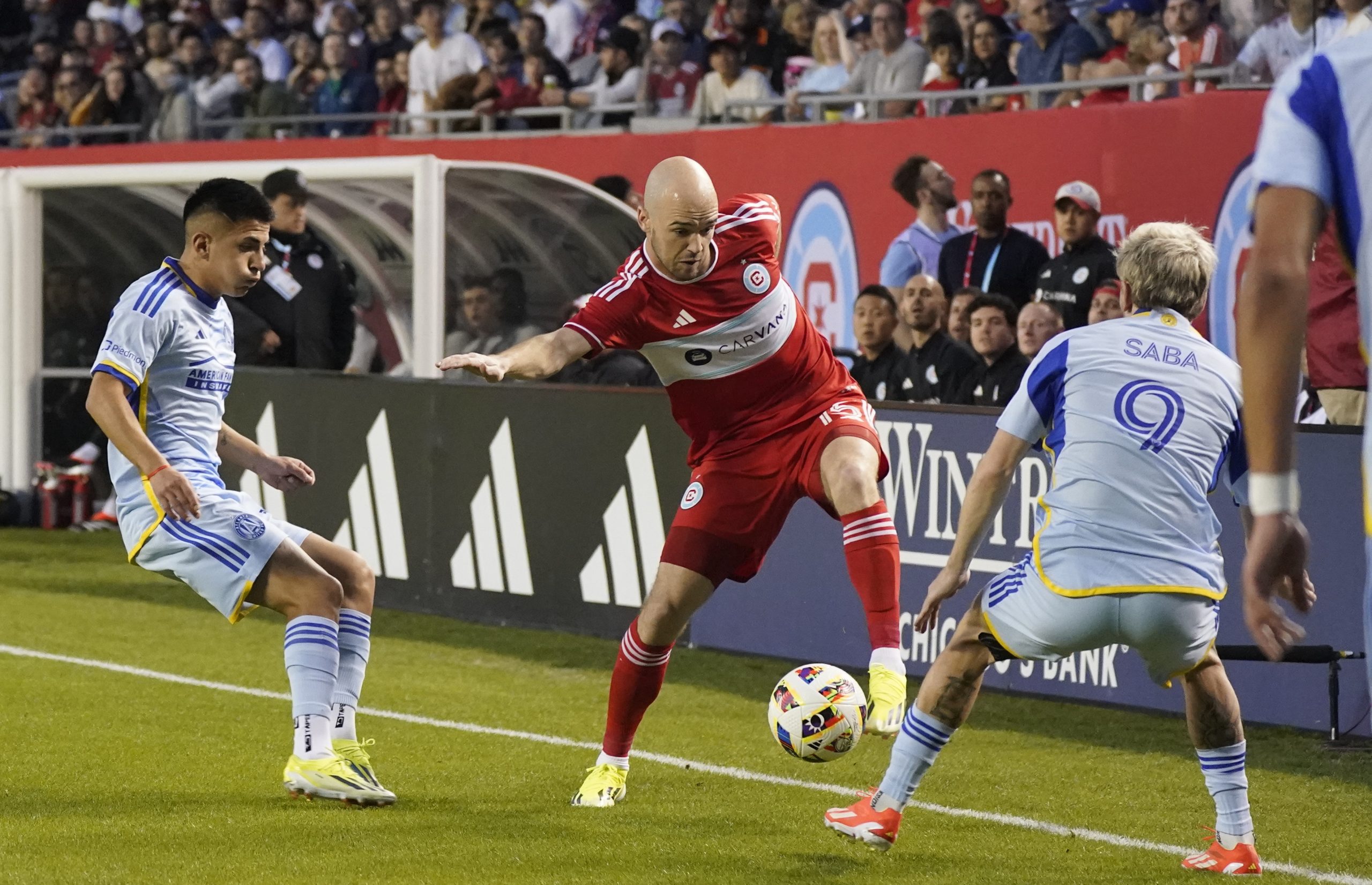
Some of that has gone under the radar for a while, but the secret is now out: Gutman has been playing like one of the best fullbacks in the league, and according to American Soccer Analysis’s goals added metric, he’s second in the league in all fullbacks at that position, behind only San Jose’s Cristian Espinoza.
If All Star selections were based on merit, Gutman would be a shoe-in. The Fire are doing their part to see him playing into the showcase, but it wouldn’t surprise me if he wasn’t voted in given the propensity for big names to be selected ahead of big game players.
Using a literal definition of “Most Valuable Player” – meaning, the player who has been the most valuable in the team getting the results that they have – however? Gutman has been the Fire’s MVP through their first 16 games and it hasn’t been close.
4. No one’s spot is sacred
The Fire went to D.C. short three midfielders: Mauricio Pineda due to yellow card accumulation, and Sergio Oregel Jr. due to international duty with the U.S. U-20s. and Djé D’Avilla due to personal reasons.
Brian Gutiérrez, however, was available, after serving a one-game suspension after receiving a straight red card against New York City FC. With three midfielders – two of them starters – out, starting Gutiérrez, whose six goals are third on the team behind only Hugo Cuypers and Philip Zinckernagel, seemed like a no-brainer for Gregg Berhalter.
Instead, Gutiérrez was on the bench at kickoff. It’s hard not to read that as a message to the 21-year-old midfielder, whose suspension last game was his second on the year, but what happened next was even more remarkable: When Kouamé left the game early with an injury, it was Williams, not Gutiérrez, who came off the bench.
Williams has exceeded every expectation the Fire may have had for him in 2025, but he expected to be a Fire II player and was given a first-team deal only when the team faced an acute crisis in the midfield. Even though Williams is more of a like-for-like substitution for Kouamé, putting him on over Gutiérrez when the game was just 1-0 for the Fire spoke volumes.
The writing was there, for those who cared to look. Ahead of the match, Berhalter told us that while there’s “no question about his talent,” Gutiérrez has had “consistency, and then there's been some, you know, emotional control issues and decisions on the field that you know, hurt the team.” He later added, “there’s tasks you need to do in each position…. And he needs to fulfill those tasks.”
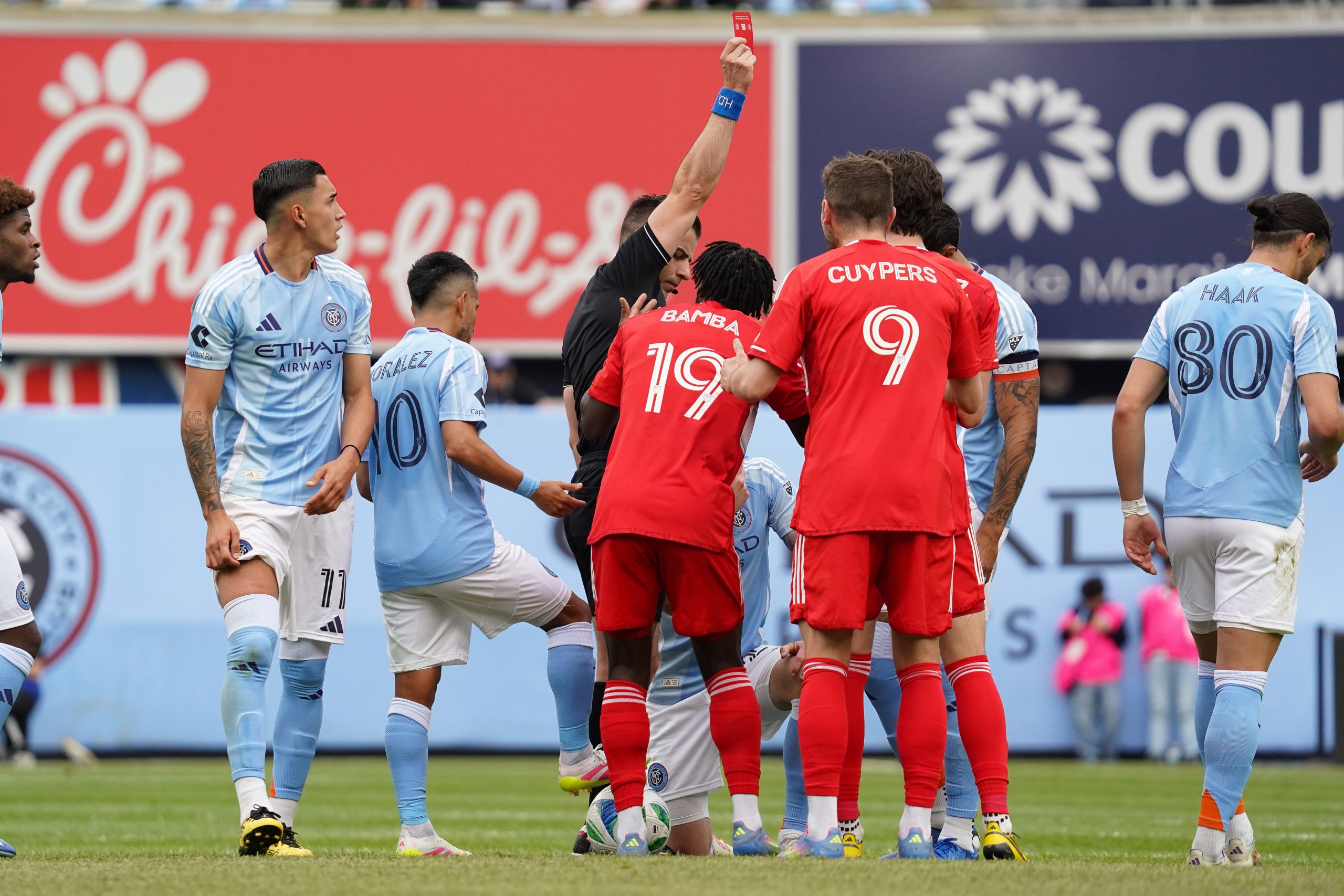
After the game, Berhalter did caution “not to read in to anything,” but reiterated the need for “consistency,” noting that Gutiérrez is “a young player.” That’s very similar to the language that Frank Klopas used last year when Gutiérrez was a healthy scratch. While Gutiérrez is young, he’s not that young – he turns 22 in less than two weeks – and he’s been a member of the first team for half a decade.
Gutiérrez was subbed on in the second half for Jonathan Bamba and had a decent outing in a game where the Fire’s victory was already all but assured, adding an eventual goal as the game went to stoppage time, but the message is clear: Players need to perform on the pitch and in training, which was one of the first things Berhalter mentioned about Tom Barlow when asked about his hat trick, and Haile-Selassie when asked about his two goal contributions in his first start of the year.
5. It will still be a difficult stretch for the Fire
Although the Fire’s road trip is now over and they have three in a row at home, the match against D.C. was the team’s only game this month against an opponent not currently in a postseason spot. The team’s next games are against Nashville (fourth in the East), the Philadelphia Union (top of the East), and Charlotte (eighth in the East, ahead of the Fire on tiebreakers). In their first game in July, they face FC Cincinnati, currently second in the East.
That is a difficult stretch for any team in this league. With Chris Brady officially part of the U.S. Men’s National Team roster for the Gold Cup, however, the Fire could be without their starting goalkeeper in all four of those matches.
Full credit where it’s due to Jeff Gal, who has let in two goals in his first two MLS starts and won both of those games. He also helped the team preserve a draw against Orlando City in his first appearance, which came when the team was down a man.
Still, it wasn’t an entirely convincing outing for the Chicagoland native, who left rebounds on an umber of occasions, seemed to struggle a bit with positioning, and who gave the ball away when trying to build out the attack, leading to D.C. United’s only goal.
Look: Most games won’t be this open, and it’s hard to imagine that Gal didn’t feel that the pressure was just a little bit off given that the team was up 5-0 when that slight gaffe led to Dominique Badji’s goal for D.C. United.
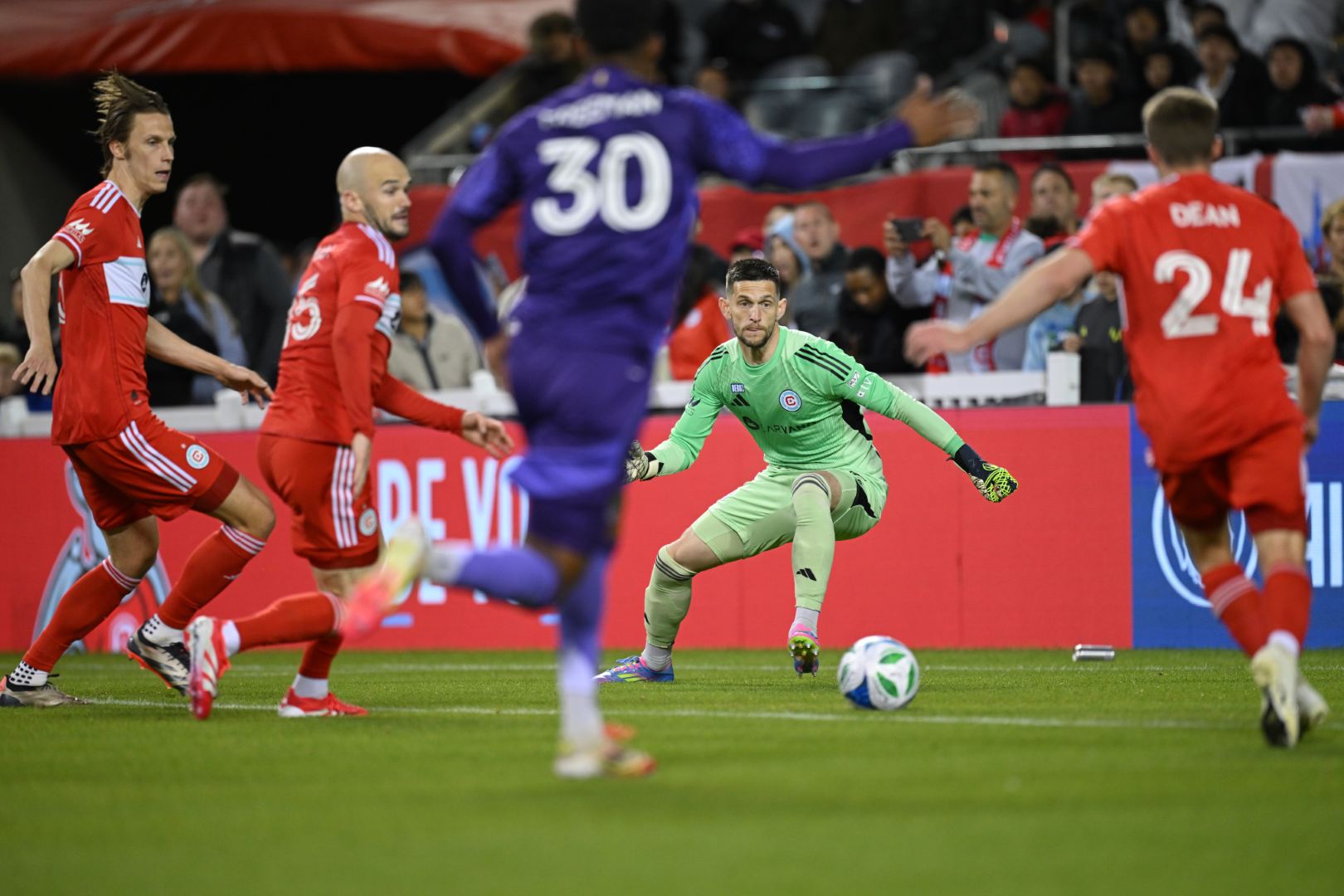
Nonetheless, it’s clear that against some of the toughest opponents in the league, the team is going to have to do more to help Gal through the stretch. It isn’t clear that Brady would necessarily be the difference maker in any of those games, but we’ve seen the Fire’s starter steal points for the Fire in a way that it might not be fair to expect Gal to do.
Credit to Gal – and the team – for the 7-1 victory, but the team isn’t likely to have another night like this one over the next few weeks, and wins – if they come – will be harder-fought against higher-quality opponents.