Berhalter Ball: The Fire’s Tactics In 2025
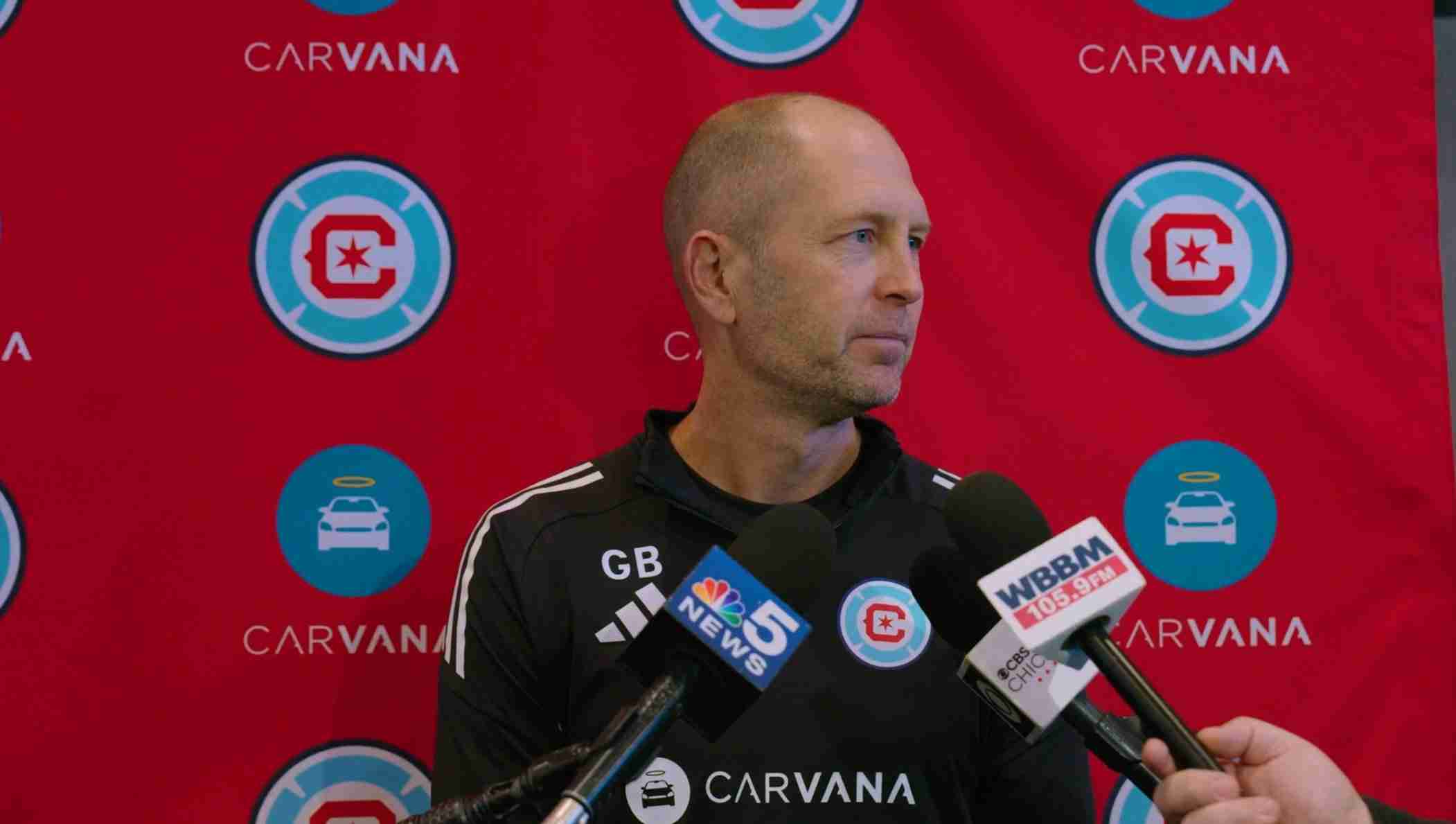
The Chicago Fire team that is set to take to the pitch on Saturday in Columbus will look radically different than the one that last played a competitive match in 2024. There has been significant roster turnover, and about half of the players on the roster are new.
The team will also be stylistically different, as new Director of Football and Head Coach Gregg Berhalter has reworked the team’s tactics and game model. Shortly after Berhalter was brought into the role, we looked at what his tactics with the Crew and work rebuilding the U.S. Men’s National team said about his likely plans with the Fire.
Since then, we’ve seen the team play in preseason and have an even better idea of what tactics and principles will be under Gregg Berhalter.
Basic principles

Some of Berhalter’s overarching principles – which aren’t tactics, but instead, a framework that is used to help determine tactics – have remained the same from early for his coaching career.
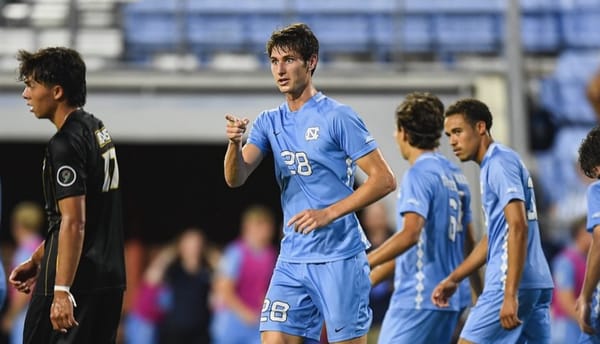
How can I best explain them? Well, let me turn this over to Sergio Oregel Jr, who was in combined youth and senior national team camps under Gregg Berhalter. A couple weeks into preseason with the Fire, the Fire homegrown said “it’s similar to the national team with the way we want to play. Very focused on the ball, pressing team off it.” Berhalter wants to have possession of the ball, and when you don’t, press to recover.
The secret – and not to get too technical with it – is that generally, when you’ve got the ball, you have a chance of scoring, and your opponent doesn’t. (That does not change my opinion that Own Goal should be a Ballon d’Or winner.) That means that the best defense is having the ball, and while that isn’t a recipe in and of itself for a good offense, it’s at least some place to start.
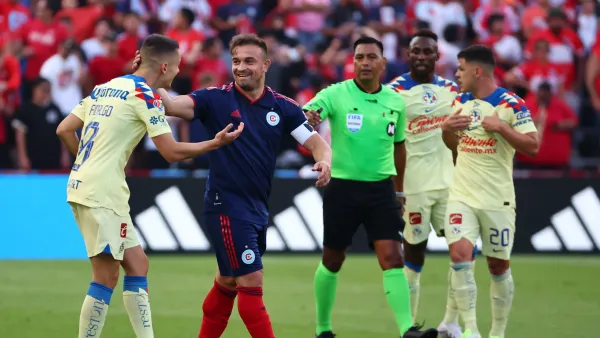
That, more than anything else, guides the philosophy and that overarching framework is part of what has led Berhalter’s teams to have success, even when his Crew teams were built on a budget, or when seemingly every striker option in the USMNT pool was injured. It’s a flexible set of principles that works for a broad array of players, rather than building a team around an individual as the Fire tried (and failed) to do with Xherdan Shaqiri in recent seasons.
Patterns to create overloads
An oft-repeated quote from early in Berhalter’s USMNT tenure is that he wanted his team to “use the ball to disorganize the opponent.” Especially early in his tenure, when the team faced disappointing losses, particularly to Mexico, it was often (over)used and, when stripped of context, added to with a few other quotes of his quotes derisively, turning Berhalter into an ideologue, happier to captain a sinking ship rowing the way that he wanted than changing tactics and getting wins.
That “disorganizing” It was something that his Crew teams also did. The goal of the concept is simple: With the ball, you want to create numerical overloads in the part of the field with the ball. If building out of the back, that means having three players – say, two center-backs joined by a defensive midfielder – against two pressing attackers. That forces the other team to respond, sending another player forward to close down the additional passing option – creating a free player further up the pitch, allowing the team to advance the ball with controlled possession.
The system relies on position-based play and basic patterns of play – say, a having a winger stay wide as an option for a switch pass, which often characterized his Crew teams, or creating triangles in the midfield – so that the players can know where those numerical and positional advantages are likely to develop.
The emphasis on positional is also a big part of why Matt Doyle just said that “the one thing you can count on Gregg Berhalter to do no matter where he goes, club or country, is to build out a structure and fix the defense,” because the positional structure creates frameworks that allow offensive opportunities in predictable ways that still can collapse into a coherent defensive structure.
Flexibility and continued evolution
Despite being criticized as being overly dogmatic early in his USMNT tenure, the truth is, Gregg Berhalter has always been flexible. Speaking to Matt Doyle and Bobby Warshaw shortly after being announced as USMNT head coach, he was asked about knowing when to adjust principles and style of play. “I think it’s weighing how much we can hurt them versus how much they can hurt us,” Berhalter explained. “If that ratio gets out of whack, then we’ll change.”
While it’s fair to question his tactical approach to games, the truth is, he has always been pragmatic, and his style has continued to evolve. Some of that is just responding to opponents – opposition tactics evolve, closing some holes and creating new challenges for defenders, and you need to adjust with them. A lot of it, though, is simple pragmatism.
In Berhalter’s time with the Crew, the team was often described as playing a “positional defense,” usually to contrast it to the high-octane-press-at-all-times, press-at-all-costs system that Red Bulls used. In truth, the Red Bulls didn’t rely on throwing every player straight at the ball when they coughed up possession, and Berhalter’s teams would press to regain possession.
Still, Berhalter’s teams didn’t press as much or as consistently as the New York Red Bulls (or others). He explained the decision as a way of conserving energy during the difficult rigors of the MLS season: In 2018, midweek games – and not always – or even typically – truly midweek were common, on top of playing in freezing conditions in the winter and high heat and humidity conditions in the summer. The midblock would turn on a dime (well, on a pressing trigger) into a fairly aggressive high press, pushing the deepest-lying midfielder into the press along with one – or sometimes both – fullbacks.
At first, he tried the same midblock-based defensive structure, but over time, that evolved into a much more aggressive high press, better suited to the challenges the USMNT faced, where some opponents were more than happy to bunker down – “do nothing” is a pretty good way to make sure you don’t activate a pressing trigger – and eat time, while skilled opponents often showed an ability to play through the mid-block.
What this means for the Fire
Through over a decade as a head coach, many of Berhalter’s principles have remained the same.
A lot of the things that Berhalter’s system prizes, from strikers that can manage great runs into the box – like Cuypers – to what Jack Elliott (Our Mountaineer from London, you’ll never sing that) called a “quarterback role” for the center-backs, with “being good on the ball and being able to break pressure from the back” – have been constant, as has mobility throughout the squad, particularly on the wings – there’s a reason that the first Designated Player that Berhalter brought in was Jonathan Bamba, a dynamic winger who has performed in multiple leagues in Europe.
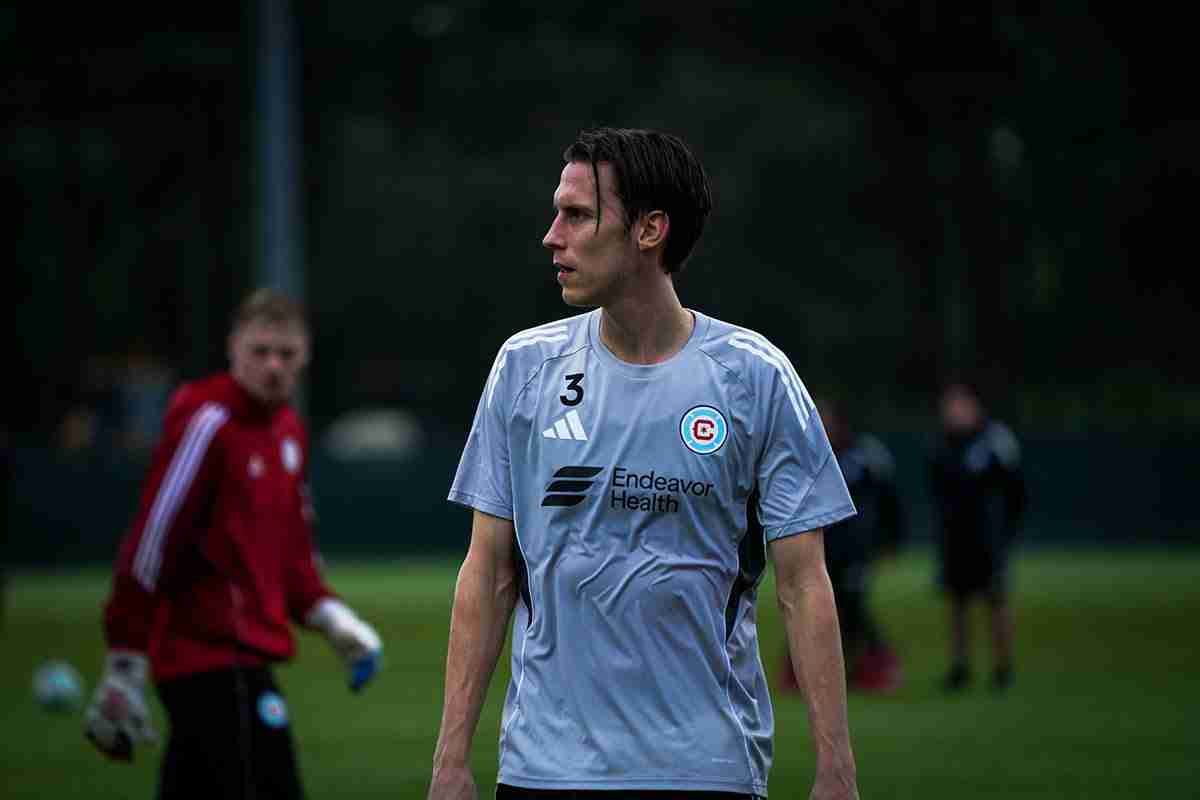
We saw many of these principles in action during the preseason, and Berhalter’s imprint fell more clearly into focus as the preseason matches wore on. It’s easy to over-index preseason results – if the Fire met the San Jose Earthquakes in the regular season, I wouldn’t expect a 5-1 scoreline – but behind that, the team was making clear progress in establishing a tactical identity. You could see a number of players – some new, like Bamba or Philip Zinckernagel, some returning, like Brian Gutiérrez or Oregel – beginning to flourish under the new system.
There will also undoubtedly be adjustments, both as Berhalter sees the strengths and weaknesses of his squad that really only become evident in game situations, and as the Fire – maybe slightly more than most other teams in the league – learn the new system and work off the rust. Regardless, it seems clear that Berhalter is set to both raise the team’s floor on both sides of the ball while also providing a platform that enables a substantially higher ceiling.