Five Things We Learned: Chicago Fire FC vs Orlando City
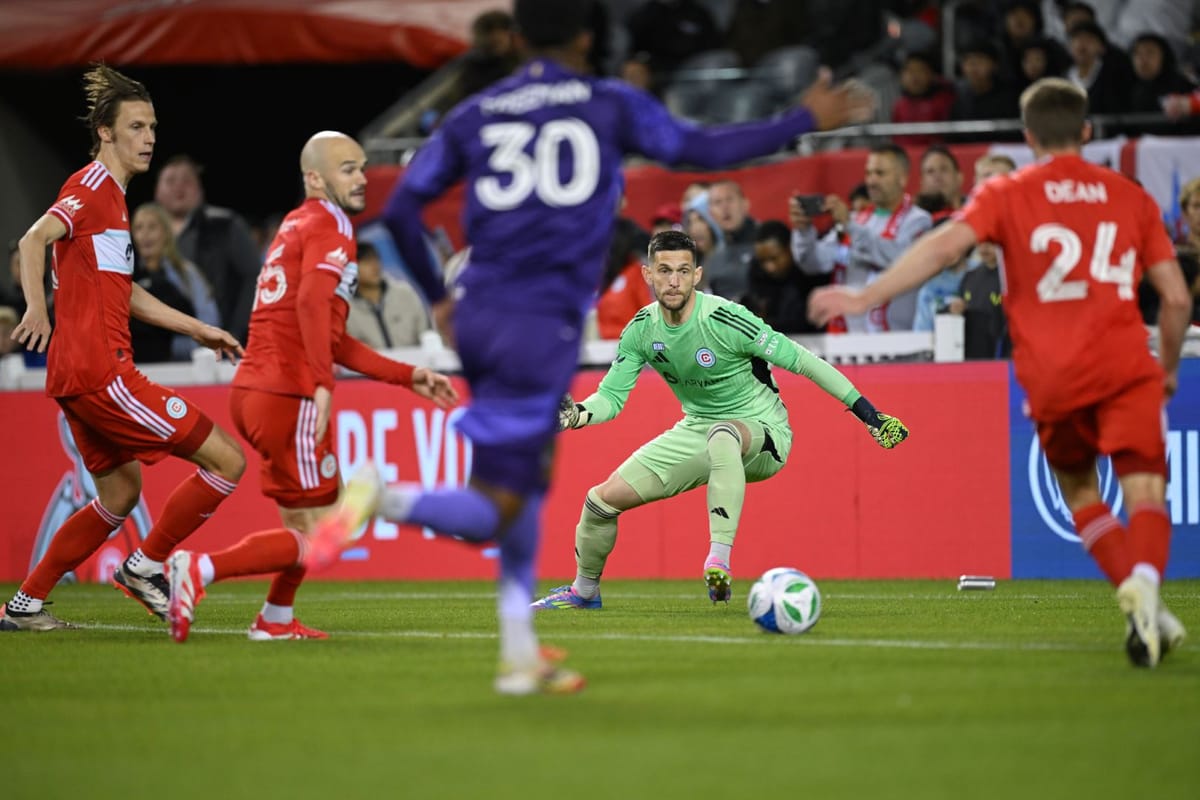
Moral victories don't count for much, but having a great series of chances where the Fire had everything but a goal followed by a gutsy defensive performance while down a man, there's a lot to like about what we saw from the Fire last night. Here's five things we learned from the Fire's battle against Orlando.
1. The team can battle
I’m not sure I would be able to swear to this under oath, but I really believe that when Chris Brady was sent off in the 36th minute, the groans from the crowd were audible in the press box. The Fire had been dominant to that point, and while luck and strong play from Orlando’s Pedro Gallese had kept the Fire from scoring, a breakthrough for the Fire felt inevitable.
Then came the red card on a fairly innocuous play, and flashbacks – possibly PTSD – started for far too many in attendance at Soldier Field. If you thought “here we go,” you weren’t alone: Speaking to reporters after the match, Gregg Berhalter said, “To go down a man, you start saying, in your mind, here we go, right? But the guys hung in there, and they battled.”
Sure – the team didn’t get a win, and the winless slide now stretches to six matches, but the team did show team commitment to defense and actually controlled the terms of engagement for long stretches of the second half despite having one fewer players.
After a disastrous outing last week in Nashville, it was a real “bounce back” performance, just not the one that the fans, or teams had been hoping for.
2. Cupps can play
That’s it. That’s the message.
Breaking the Fire record for youngest starter in Fire history at 16 years, 342 days alone is significant, but what’s more significant in the long run is that the Fire felt like they had a reliable pairing at center-back for one of the first times this season.
Considering that Carlos Terán is out for an extended period of time, that’s very, very welcome news to the Fire, whose ability to get results had been severely limited by a leaky, mistake-prone defense in his absence.
Cupps had 12 clearances on the match, according to data from Opta, and completed 38 of 39 passes and four of his five progressive passes. His one incomplete pass? A long-range attempt into the box that he took from just outside the center circle in the Fire’s half. Can’t fault him for not making that one, and honestly, you have to credit him for trying.
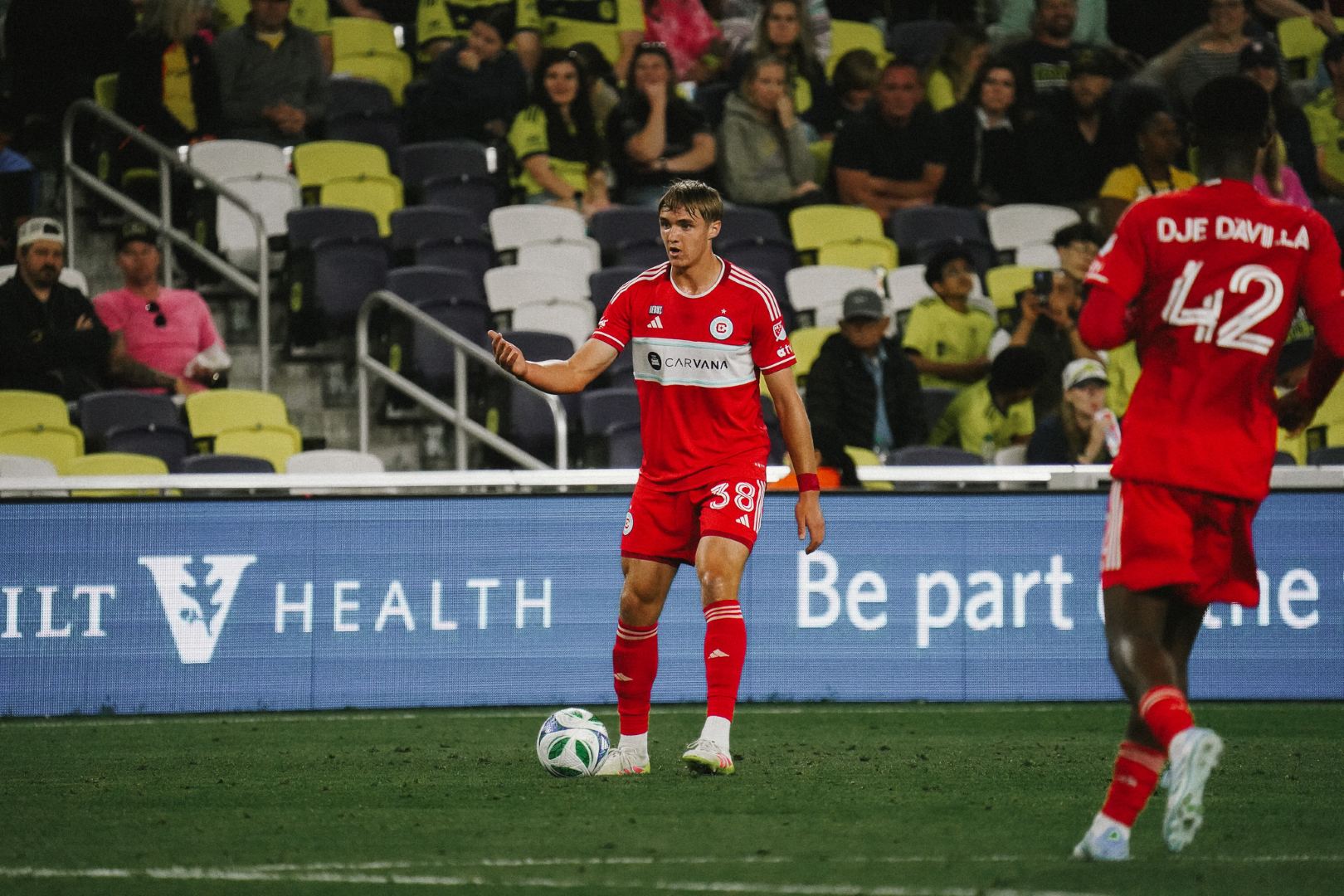
Calling out reporters – specifically after this reporter’s questions for not leading with a question about Cupps in the press conference, Berhalter said “We have to talk about his performance and his bravery. Think about a young kid coming in after losing 7-2 and the pressure on him to perform. And the way he performed today was not perfect, but it was, in my mind, it was outstanding. It was a great starting debut in front of the home fans.”
His performance doesn’t stand alone, however: With Cupps doing the right things from the right places for the Fire’s defense, Jack Elliott looked considerably more comfortable than he has in many other outings this season, where he often was pulled out of position, having to cover far too much ground, all of which bodes well for the Fire.
3. The identity is starting to gel (but it isn’t perfect)
A big question coming into the season was how quickly the team could reform its identity under Gregg Berhalter, as the club sought to change a culture that had only made the playoffs once in the previous 12 seasons.
Results have been far short of perfect, as the team’s failure to win any games outside of a three-game stretch in March is testament to, but the identity is starting to form, both tactically and culturally.
On the pitch, the team has a much more coherent tactical setup than they have in recent memory. The team is increasingly comfortable controlling games in the midfield, using the ball to pull opposition defenses out of position and create time and space for creative attacking talent.
Culturally, the identity is also starting to set in: This is a team that is more willing to fight and battle, and which has shown more resilience than the team has in years. When things don’t go their way, the Fire haven’t thrown in the towel. The Fire battled back from being down on two of the team’s three victories, and one of the two draws that weren’t 0-0.
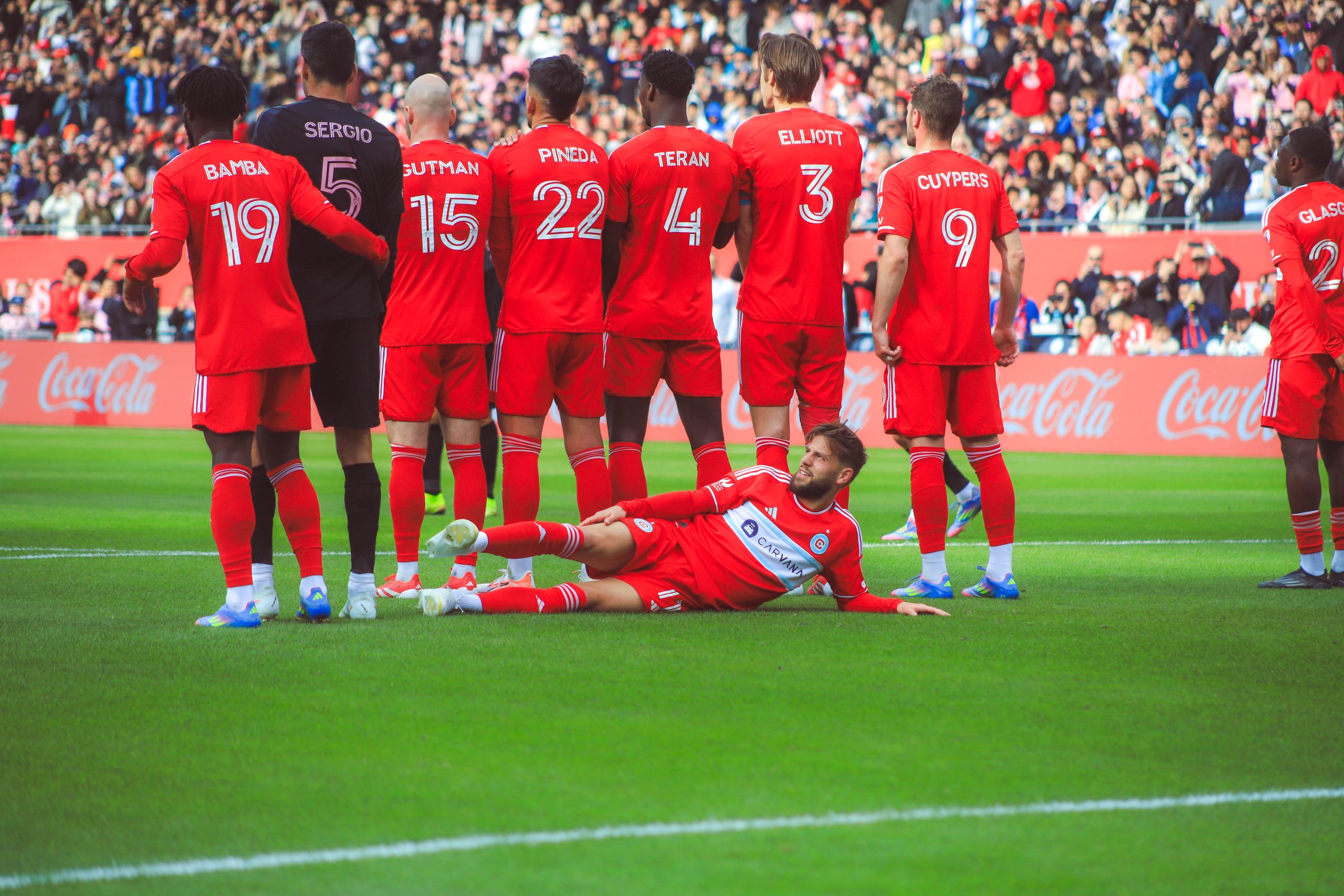
Nothing is perfect, and you can see the team struggling to live up to the identity both tactically and culturally. See: last week in Nashville, and also, Chris Brady's bizarre choice to challenge so far out of his net on such an normal, happens-five-times-every-game play probably stems in part from the defensive miscues the Fire have had in front of his net on so many occasions this year. That doesn't excuse the poor choice from the netminder (still, it's worth mentioning, just 21 years old), but it goes to show that belief is one thing, but perfecting execution takes more time.
Still, we're fairly early into the process. If the team can find its way to wins rather than strong performances and show the resilience they’ve shown so far, the trajectory of the team will be much improved from previous years.
4. Chicago is a huge part of that identity
Christopher Cupps was one of six Academy products in the starting lineup for the team. That breaks the record of five, first set just a few weeks ago when the team started an all-homegrown midfield trio against Toronto, alongside Chris Brady and Andrew Gutman.
I asked Cupps about how it felt to be the player that helped break that record when he got the start against Orlando alongside Chris Brady, Brian Gutiérrez, Andrew Gutman, Sergio Oregel Jr. and Mauricio Pineda. He said, “I think that’s the identity of the Fire, and for the future, we want to be representative of Chicago. We all have roots in different parts of Chicago, and we’re going to bring that to the team on the field. I think that brings us together more than anything.”
The Chicago-area focus sets the Fire apart from many other MLS academies. While many MLS academies have very large catchment areas – Real Salt Lake brings in players from, seemingly, half the country and even the Philadelphia Union and FC Dallas academies bring in players from several states – the Fire’s focus is on finding and growing Chicago-area talent.
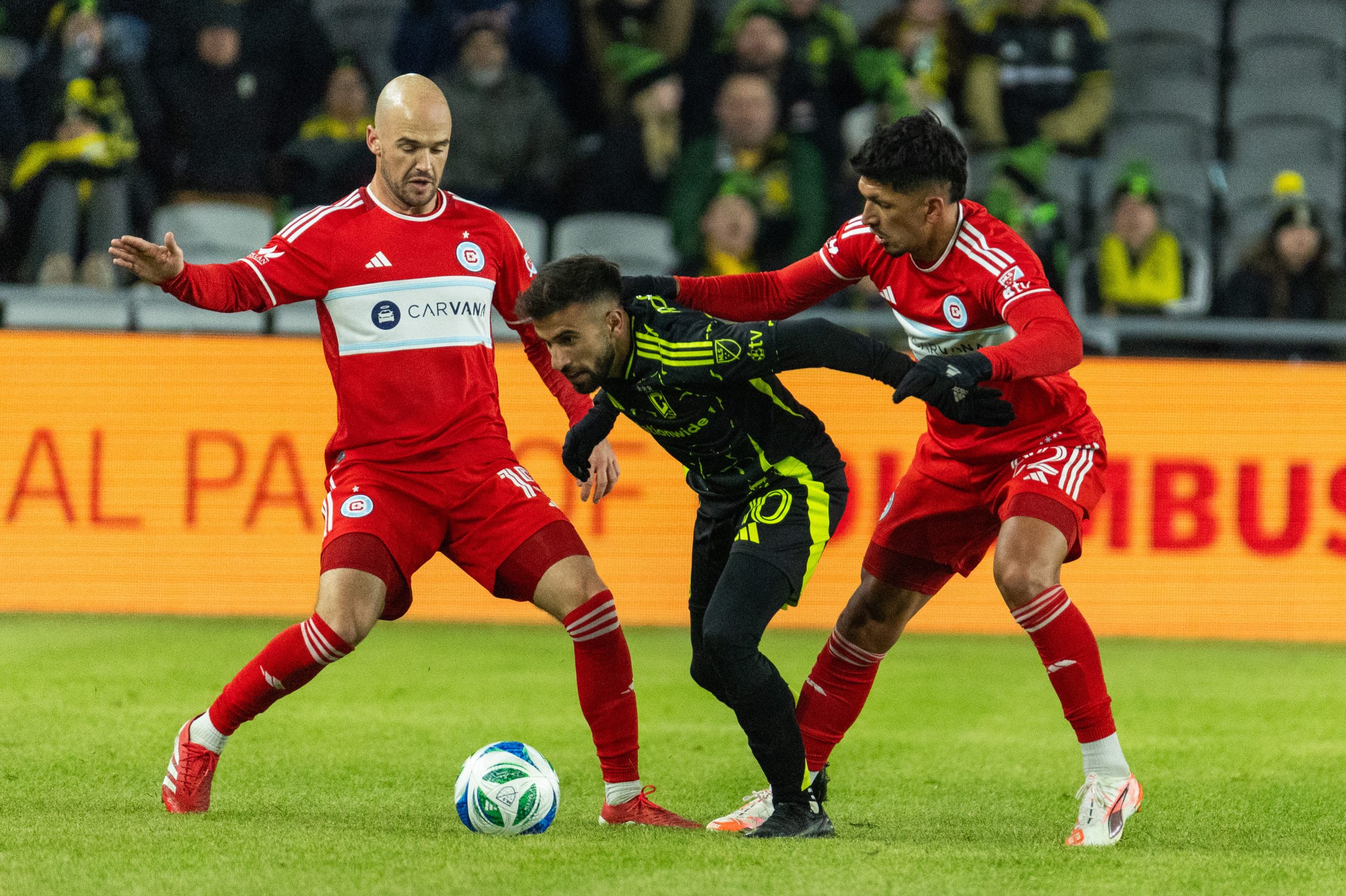
Just under half of the Fire’s roster has local roots, including academy products and others from the area who came up through other youth clubs. That includes Jeff Gal, who told reporters after the match “to make my MLS debut for my hometown is amazing, literally. This is what I’ve worked for, obviously, since I’ve been a kid and to make it happen today is too good to be true.”
Gal became the seventh Chicagoland native to appear in the match, the most in team history. A league wide stat for appearances from area locals isn’t available, but the Fire have to be at or near that record. Under Joe Mansueto, the team has been willing to spend lavishly on high-end talent from around the globe but the identity is centered around being a team that represents Chicago, with local talent throughout the roster.
(Fun fact: Although the match against Orlando was the first time that six academy products started, the it was also the first time that six Chicagoland natives started for the Fire since July 15, 2015, when Patrick Doody, Eric Gehrig, Mike Magee, Chris Ritter, Michael Stephens and Harry Shipp were in the XI versus Columbus.)
5. Sometimes ball no go in
That’s a line I stole from Matt Doyle, but it’s applicable here. The Fire managed 17 shots against Orlando. Twelve of those shots were from inside the box. Eight made it on target.
The Fire’s xG for the match was 2.62, with most of that production coming before the Fire went down a man. Even playing with 10, however, the Fire had good looks on goal, including two shots by Hugo Cuypers from close range in the second half. That’s in addition to four shots from inside the box that the Belgian striker had in the first half. Jonathan Bamba and Philip Zinckernagel – who is making a strong case for the hardest-working player on the Fire’s roster – also had good opportunities.
So far, Berhalter is unconcerned that the opportunities didn’t work out, saying “I think normally, those chances go in. And I think over time, the more you get those chances, the more you're going to score goals, so I think that that will be okay.”
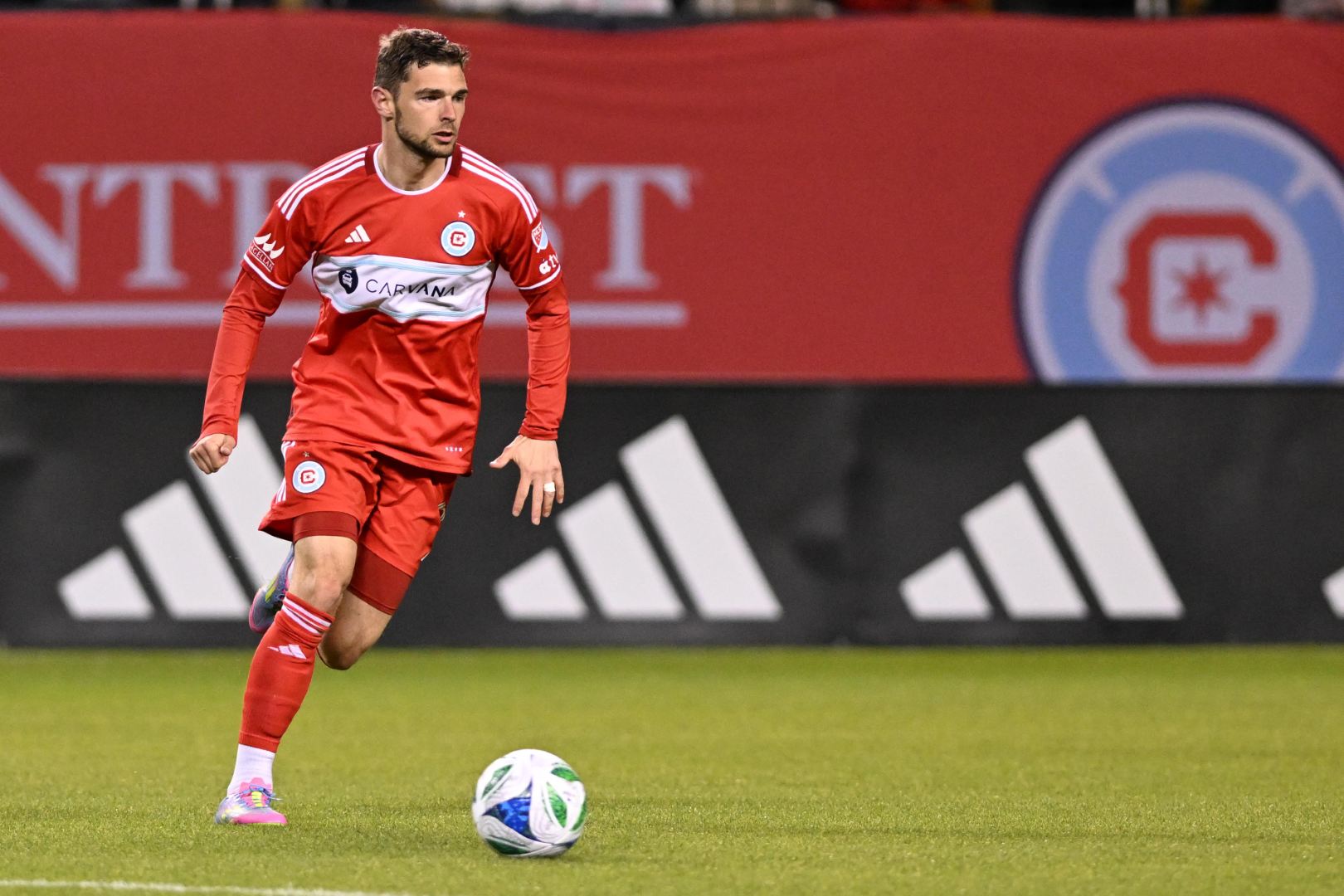
That’s true, and to be fair, the door did swing both ways against Orlando: The visitors had 23 shots of their own, and they had fewer shots on target and quality chances (see above on the defense), the 40 shots in total is the fifth-most in MLS history for a game that didn’t see a goal, falling not far from the record 48 set in 2018 between Portland and Minnesota.
It’s easy to play “what if,” but if one of the Fire’s numerous chances in the opening half hour had made its way to the back of the net, it likely would have been a very different game. With Orlando chasing the game for the first time since March 29 against the Galaxy, would they have felt the need to push further up, opening more space for the Fire’s attack? Would Brady felt the need to leave his goal and engage in the challenge that earned him the red?
We’ll never know, but Berhalter is right: If the team keeps on getting chances like that, the goals will come. While it’s disappointing the team didn’t get a win at home for the first time this season, the performance in front of home fans was something that the team can be proud of.