Five Things We Learned: Nashville SC vs Chicago Fire FC
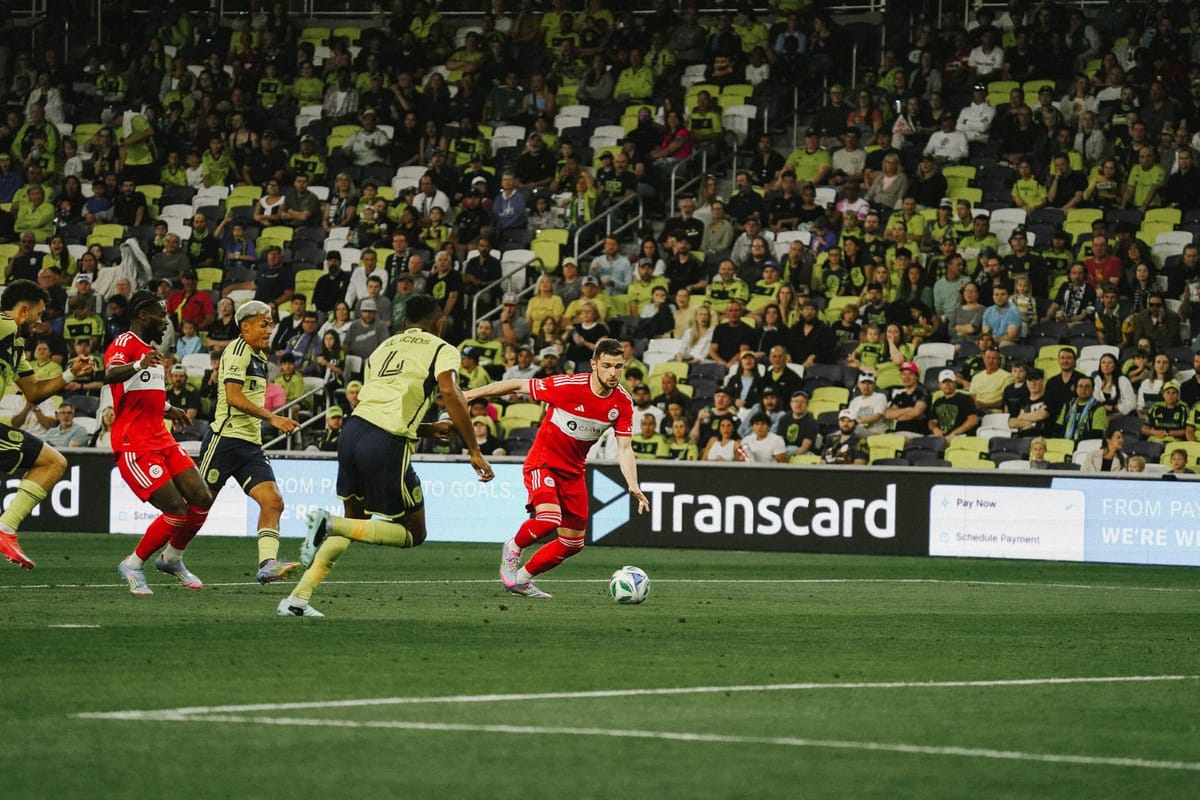
The Fire gave up the most goals in team history in Nashville last night, and while it’s hard to take in too many life lessons while you’re knocked out cold, here’s five things we learned.
1. This was bad. Real bad.
Yes, that’s obvious. But putting it in perspective: Before Saturday, the Fire had never given up seven goals in one game in any competition. The league – now in its 30th season – has had one eight goal performance by a team, back in 1998 when the L.A. Galaxy defeated the then Dallas Burn by an 8-1 score. Nashville’s seven-goal output is just the 12th time that a team has scored that many goals in a league match, out of well over 8,200 league games played.
It won’t make the list of largest margins of defeat in league history, but losing by five goals is also significant: In 2015 and 2016, the two years the Fire won the Wooden Spoon for the worst record in the league, the team never lost by more than four goals, with a 4-0 defeat to D.C. United on October 18, 2015 and 6-2 defeat to D.C. on August 27, 2016.
There is some grim comfort here, however: If the team was looking for rock bottom, they’ve found it. The question now is how the team responds.
2. There were warning signs…
Although the magnitude of the Fire’s loss was shocking, none of the problems the Fire showed last night were really new. Not seeming to wake up until the 15th minute or later. Careless defending in the box. Being painfully vulnerable to balls over the top. Being unable to find a way to play through pressure in the middle third of the pitch.
The cracks were all there, but Nashville pushed enough to make the dam burst. In retrospect, maybe the bad result in Nashville was, if not foreseeable, something that should come as less of a surprise.
Ahead of the game, Fire head coach Gregg Berhalter was effusive in his praise of Nashville’s B.J. Callagan, who worked his way up from analyst to Berhalter’s top lieutenant with the U.S. Men’s National team. Berhalter noted Callaghan’s meticulous preparation and keen eye for the game, noting that the Fire have played Nashville’s opponent a week after several times, saying “so I call B.J., and find out about the teams we are going to play.”
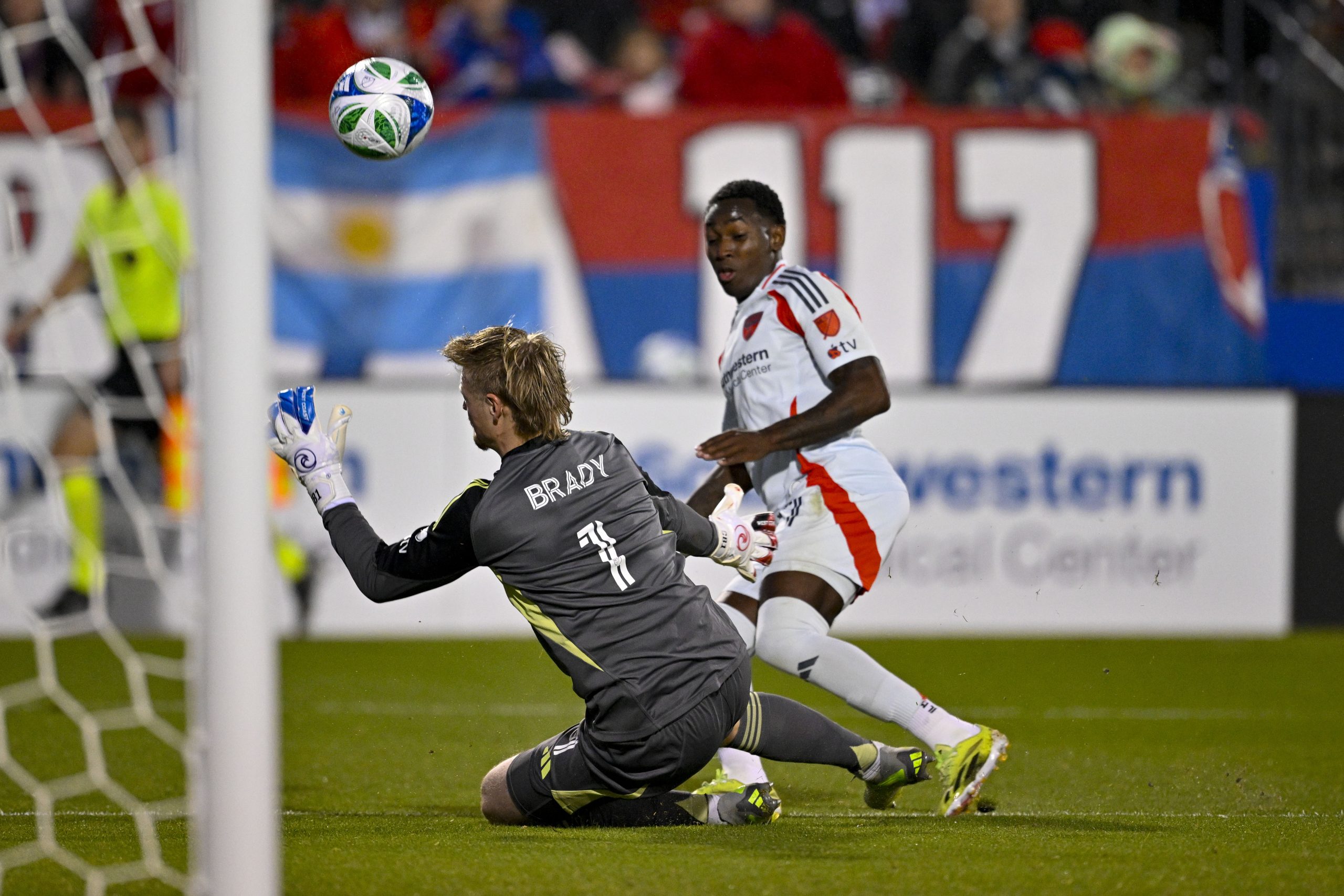
It seems that his assistant was too prepared for the Fire’s weakness and Nashville’s skilled attackers were all too happy to exploit them
Some of it comes down to players and roster build, but some of it just comes down to effort. The Fire lost the vast majority of what should have been 50/50 balls. When Nashville played over the top, their man was there to receive it. When the Fire did the same, one – or more – Nashville players harried the intended recipient.
There are certainly other issues to work through, but the Fire were just out-worked and out-hustled by Nashville, and that compounded all of the other issues.
3. And we did warn you
Well, we kind of warned you. When MLS released the 2025 residual seasons schedule, it was pretty obvious that the Fire would be passing through murder’s row starting in April, saying that after an early stretch, “10 of the Fire’s next 12 matchups come against opponents who made it to the postseason.”
The thing is, Nashville is one of the two opponents who failed to make the postseason. The other is D.C. United on June 6th, who the Fire previously played to a draw at home earlier in the season. Oh, and the match that ends that stretch?
Yeah, it’s the reverse fixture against Nashville. Results were always going to be hard to come by, and the question is how Berhalter can continue to keep the team believing in it self
In May, the Fire play 2024 Eastern Conference finalist Orlando City twice as well as Atlanta United and New York City.
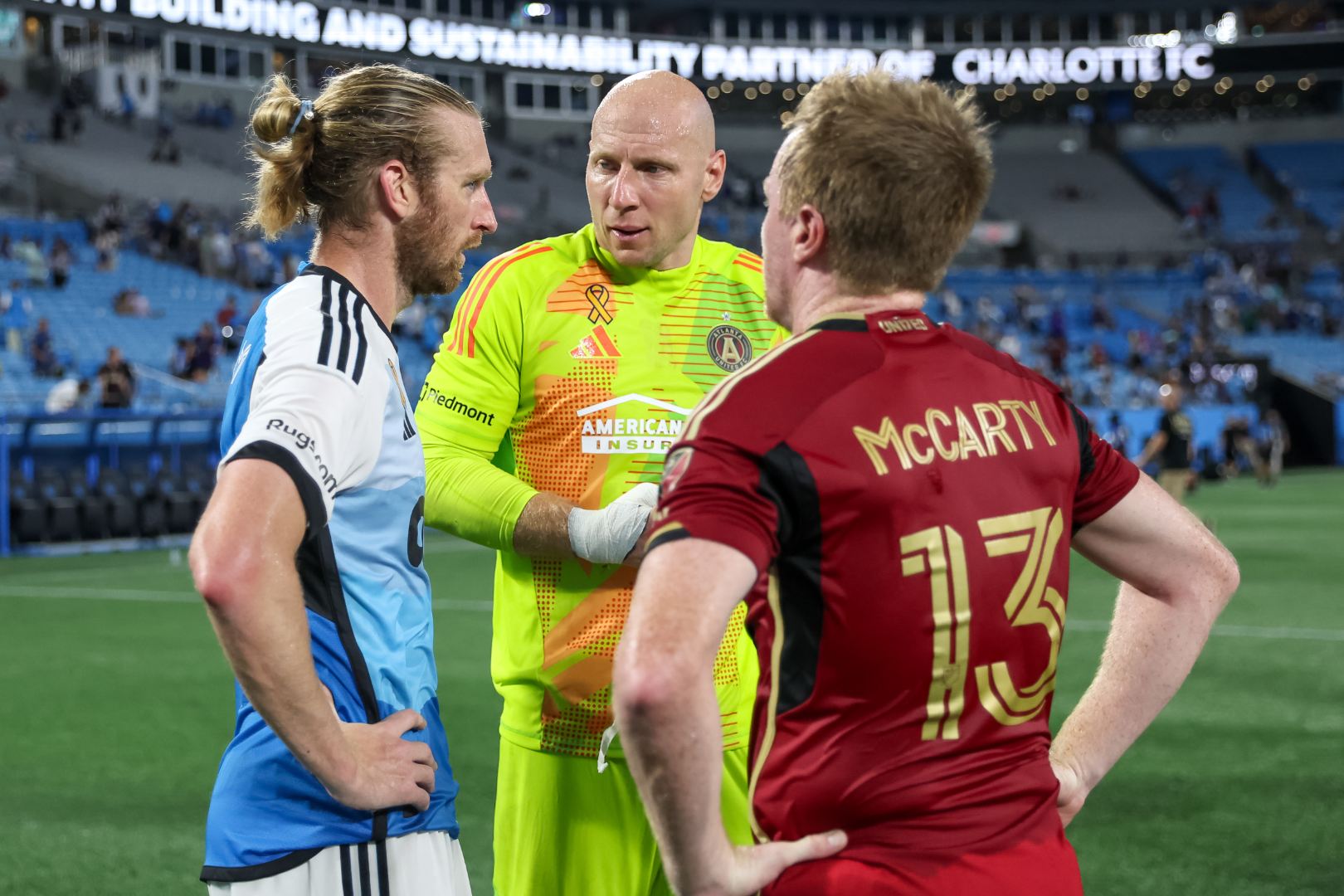
Even if some of those games look easier than others – Atlanta, in particular, seem up a creek without a clear idea of which direction they should paddle – none are pushovers but the Fire need to find a way to get results and wins after a winless April.
That makes the Fire’s next two games critical: They’re the Fire’s only two home games in May. If the Fire don’t find a way to victory in at least one of them, then they’ll face Nashville at Soldier field in mid-June still looking for their first home win of the season.
4. Some guys need to hit the weight room
One of the issues in Nashville was that the Fire were simply outmuscled. While it’s absurd to pin a 7-2 loss on an individual moment, after Nashville’s first goal from the spot, the Fire still felt like they were in the game.
It did feel like the second goal was the turning point. Nashville’s Jeisson Palacios connected with Hany Mukhtar’s curling service off a corner. Brian Gutiérrez seemed completely unable to slow Palacios’s entry into the box and was just outmuscled on the way in. Even if defending a 6’1” center-back isn’t normally in Gutiérrez’s job description, the Fire struggled with Nashville’s physicality throughout the match.

I have a hunch – though I didn’t ask Berhalter about this – that part of the reason that Acosta returned to the starting XI for the Fire was because the team was expecting a physical game, relegating Sergio Oregel Jr. to the bench. Although Oregel has bulked up considerably, making him both stronger and faster, he still isn’t going to win many intense physical battles. And so far, new U22 Initiative signing Djé D'Avilla has struggled to keep up with the pace of the game in MLS.
The Fire have a beautiful weight room in their new training facility. A lot of players need to take better advantage of it.
5. The roster still needs work
Despite the loss – and poor results in April – the Fire roster is still drastically improved over the one that managed just 30 points in 34 games last season.
When Berhalter came in as Director of Football last October, he inherited a team that was full of over-priced contracts on under-performing players – a double whammy in a salary capped league.
Berhalter and his front office did a phenomenal job finding ways to move on from many of those deals, moving on from players like Gastón Giménez, who previous Sporting Director Georg Heitz had for reasons that still can’t be fully explained had given three separate deals to as he tried to find a more affordable way of keeping the Argentine in the roster.
Asked about his first transfer window in charge of the Fire at the fire’s pregame press conference on Thursday, Berhalter asked the room to remind him of how many players the team signed. When told the number, even he seemed surprised, saying “Oh, my goodness. 15 players, that's more than I thought. I was going to say like eight.” Even if half the roster is new, that means that half of it is returning, and Berhalter inherited a far less-than-ideal cap situation which still hangs over the team’s roster.
Center-back looks like a significant portion of need. While Jack Elliott has been one of the best in the position in MLS, he’s coming off his worst year in the league in 2024 and so far hasn’t found his earlier form. Sam Rogers, the team’s other acquisition who had a journeyman career through Europe that has seen him involved in seven different transactions over the past three seasons, has so far struggled with the level of the league, and relying on Carlos Terán to stay healthy is somewhat of a fool’s errand at this point.
Despite plans to “reinforce” a “couple of positions” in the summer, Berhalter said “I think this group… is more than capable of getting results and putting ourselves in the playoff picture.” That’s likely true but I think Berhalter is aware of the roster’s shortcomings, some of which were inherited as players while others came in the form of having limited cap space and time to bring in top-quality candidates.
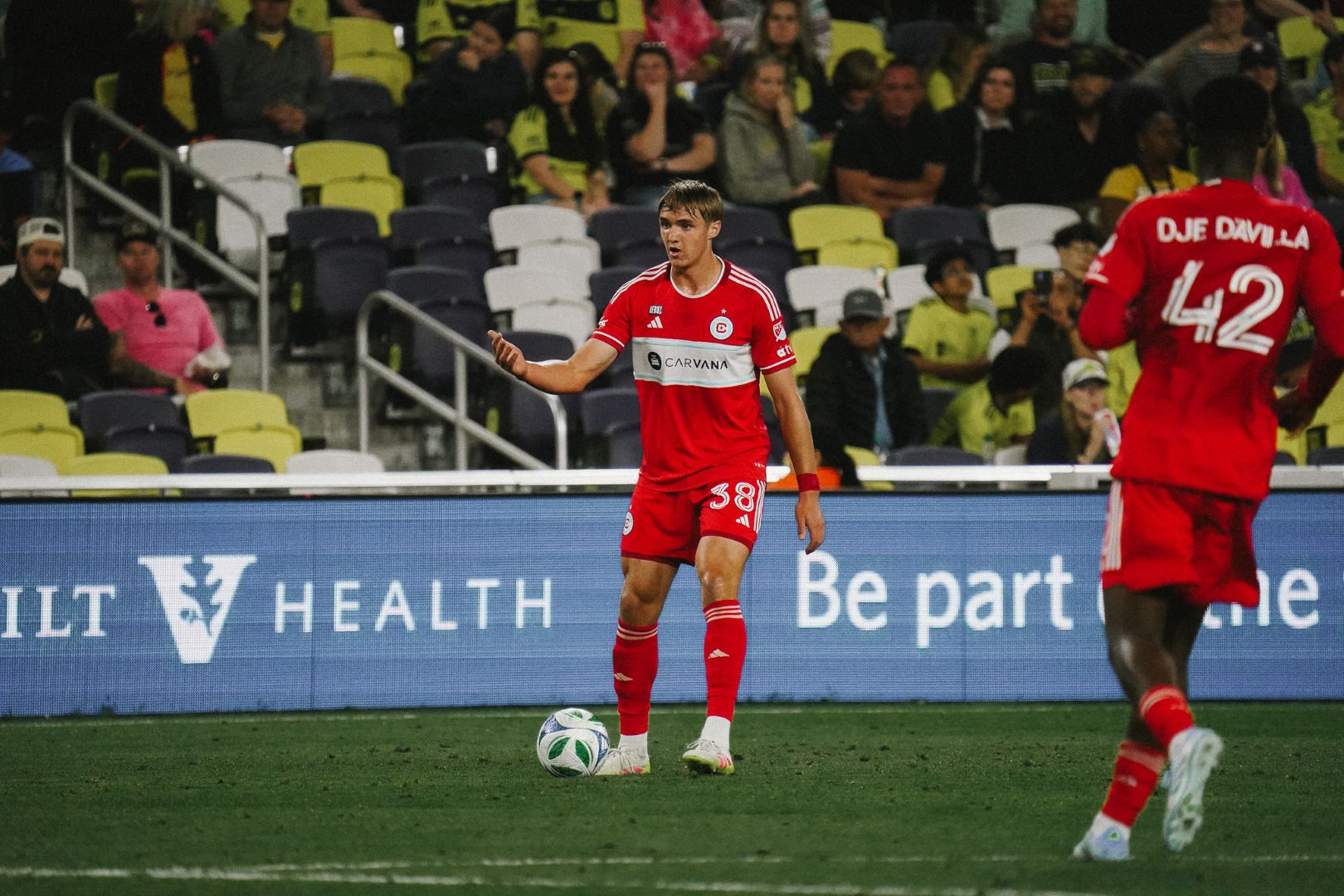
There is real hope that improvement can come from within – although the game was already decided well before he stepped on to the pitch, 16-year-old homegrown Christopher Cupps looked like he fit in amongst the men in his 15-minute MLS debut against Nashville. Given the team's struggles at center-back, particularly as Terán is out with a long-term injury, there is a clear case for him to be playing more minutes.