Gluten-free options at Soldier Field… with persistence and searching
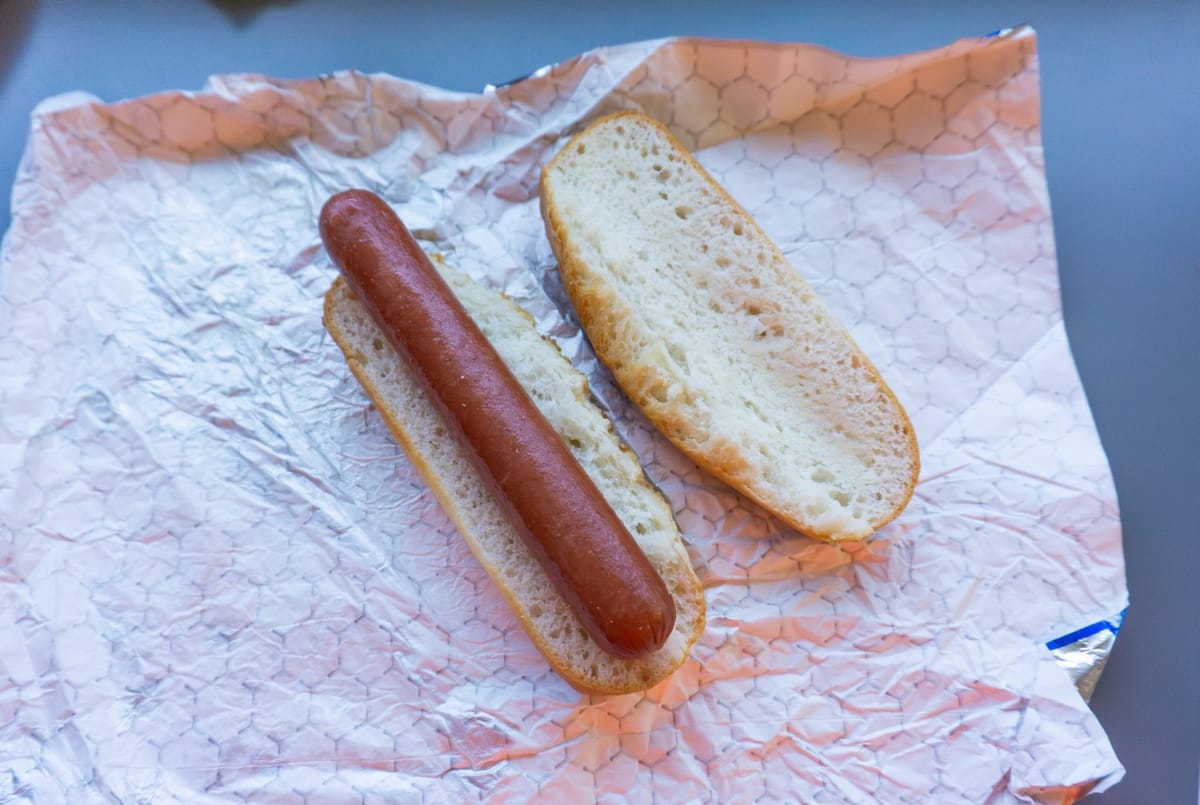
For the 2025 season, Chicago Fire fans can now order gluten-free options at Soldier Field – if they know where to look, are persistent – and if they are willing to wait. That, at least, is based on the experience of MIR97 Media ordering a gluten-free hot dog, pictured above, ahead of the team’s home game against CF Montréal on March 29th. It took multiple attempts, after being told that no options were available, despite signage to the contrary, and a not-exactly-soccer-friendly 15-minute wait after ordering, but, at the end of the day, gluten-free options exist. The somewhat frustrating experience is a reminder that despite efforts to improve the gameday for fans, the challenges of Soldier Field, an aging venue where where the Fire are a secondary tenant of a facility operated by other entities, remain.
As part of upcoming content on MIR97 discussing changes to the matchday experience for 2025, MIR97 Media had been informed that gluten-free options were available in Soldier Field. Gluten-free, along with vegetarian options, were amongst the changes enabled through Soldier Field’s new hospitality partner Levy Restaurants, who also handle concessions at both major league ballparks in Chicago as well as the United Center as part of a portfolio of over 300 venues.
During an (admittedly brisk) walk through the concourse ahead of the Fire’s home opener, however, options weren’t evident. Alex Campbell of the CHGO Podcast, who was also in attendance for that match, also didn’t find any gluten-free food options on his search. Campbell is one of the roughly 1% of Americans who has celiac disease, meaning that foods that contain – or which have come into contact with – gluten, a protein found in wheat, rye and barley, are off limits. (Full disclosure: This reporter’s wife also has celiac disease.)
In addition to celiacs, another 1% of the population has a wheat allergy (a separate condition), and up to 6% of the population has non-celiac gluten sensitivity, making about 8% of the country – roughly 25 million people – whose options at venues like stadiums are often severely limited because they avoid wheat and gluten (levels of severity of gluten sensitivity vary and many people are not diagnosed).
Given the Fire’s average attendance last year, that translates to about 1,700 fans, various factors could push the number higher or lower for attendees. According to data shared with Sports Business Journal by Levy in 2023, “gluten-free is now a top-3 request among their customers.”
Signage training an obstacle to finding gluten-free items
Despite Levy’s statement about the popularity of gluten-free concessions, finding them at Soldier Field was something of an uphill battle: Gluten-free items aren’t listed on menus, per se, but instead, the digital boards at kiosks with listing items and prices have text to one side informing patrons – or at least the more eagle-eyed ones – that gluten-free options are available.
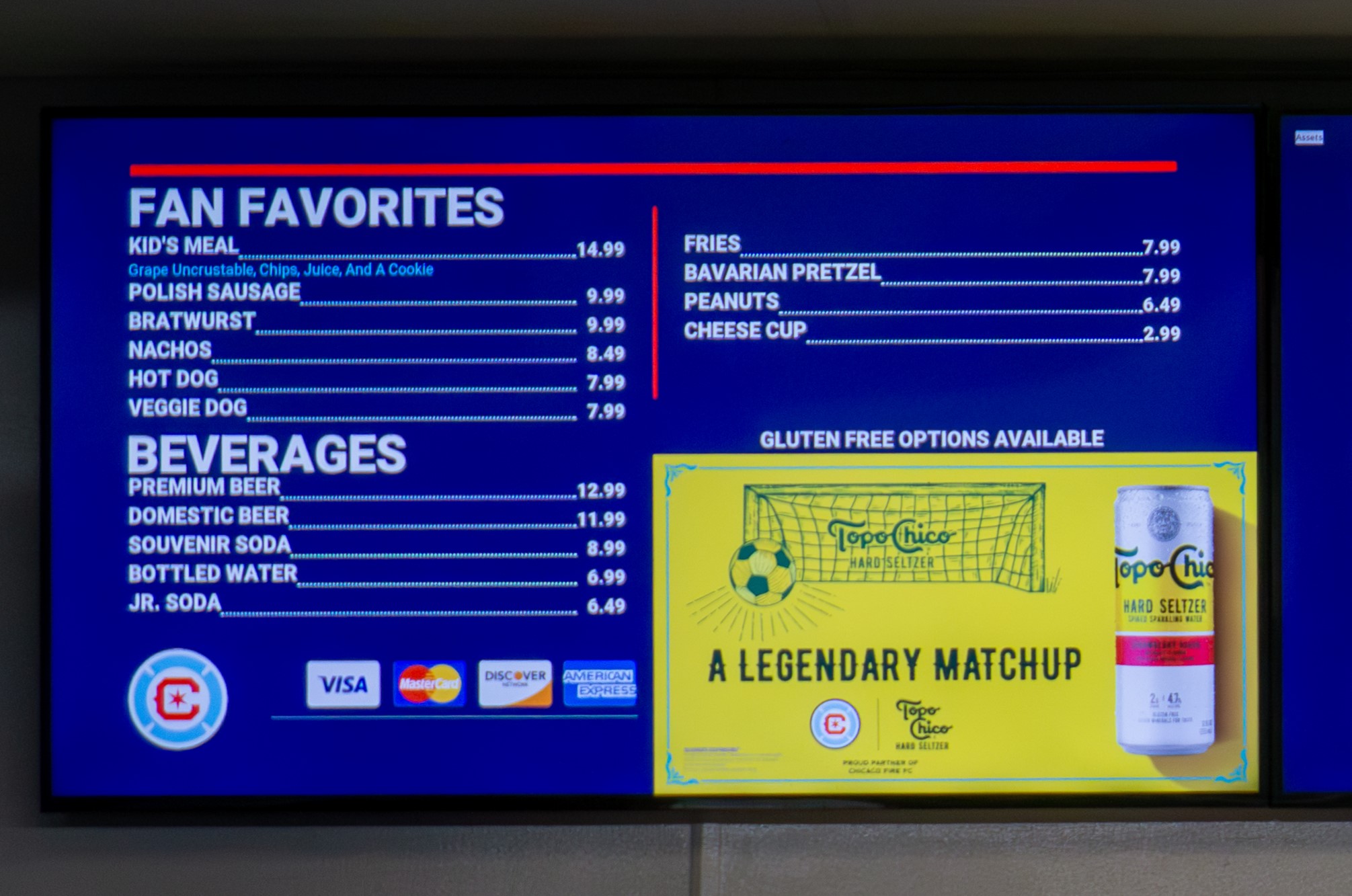
What options gluten-free items are available? The menu doesn’t specify. Bottled water would satisfy the requirements, but it begs the question of what fans looking for such options are expected to do: Wait in line to ask (and possibly hold up the line)? Break social norms and go to the front of the line to ask a question, before working their way to the back of the line to order?
In the end, I found hot dogs with gluten-free buns at the 606 Sausage Co. by section 143. While waiting to get my hot dog, I noticed that the burger location adjacent also listed options on their menu; talking to staff, I found that they had gluten-free hamburger buns available. The 606 Sausage Co. location by section 122, however, didn’t indicate that gluten-free options were available, nor did the Bungalow Burger location at section 202.
A season ticket holder who avoids gluten told MIR97 Media that they were informed that standard nachos – round chips, cheese, not the fancier options with BBQ or chicken – were gluten-free. Nachos were on the menu at both the locations with gluten-free buns, but staff didn’t seem to be aware that they were a gluten-free option (or maybe they weren’t gluten-free: Other locations that had what appeared to be identical nachos, including the Dr. Pepper Market in the south concourse, just inside the gates, didn’t list gluten-free options as being available.)
Soldier Field Concession Information Lags Other Venues
The confusion is in no small part because Soldier Field is one of just three (of 30) MLS venues, alongside Inter Miami’s temporary stadium in Ft. Lauderdale and CF Montréal’s Stade Saputo that doesn’t have either a list of concessions or a stadium map that includes concession locations. A majority of MLS venues specifically list options for those with dietary concerns, ranging from allergens to halal options.
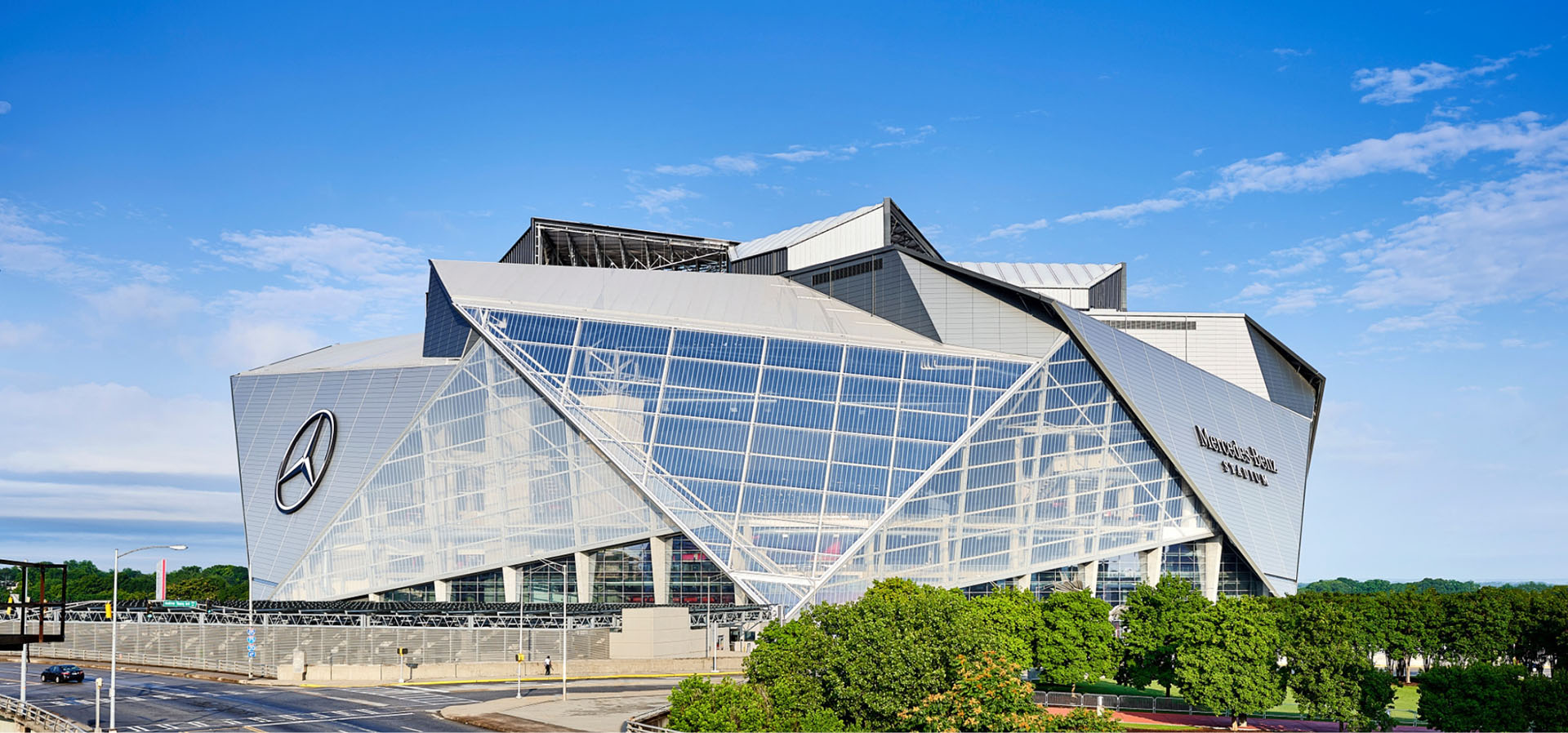
Soldier Field is the only non-soccer specific stadium used by an MLS team that lacks both a stadium map showing concessions or a list of vendors and locatons. All other shared venues, from Atlanta’s Mercedez-Benz stadium to Vancouver’s BC Place, list concessions, including the ability to filter options suitable for various dietary restrictions, on the venue’s website.
Soldier Field’s website doesn’t mention concessions at all, and the Bears also didn’t publish a concession list or map for the 2024 season. Although a previous version of the Chicago Fire app on phones included an interactive map with concessions in previous seasons, it is no longer in the current version, and the only map is a seating chart with section numbers. That makes knowing what food options will be available before the game all but impossible for fans, regardless of whether or not they have dietary restrictions.
Failing and succeeding to order
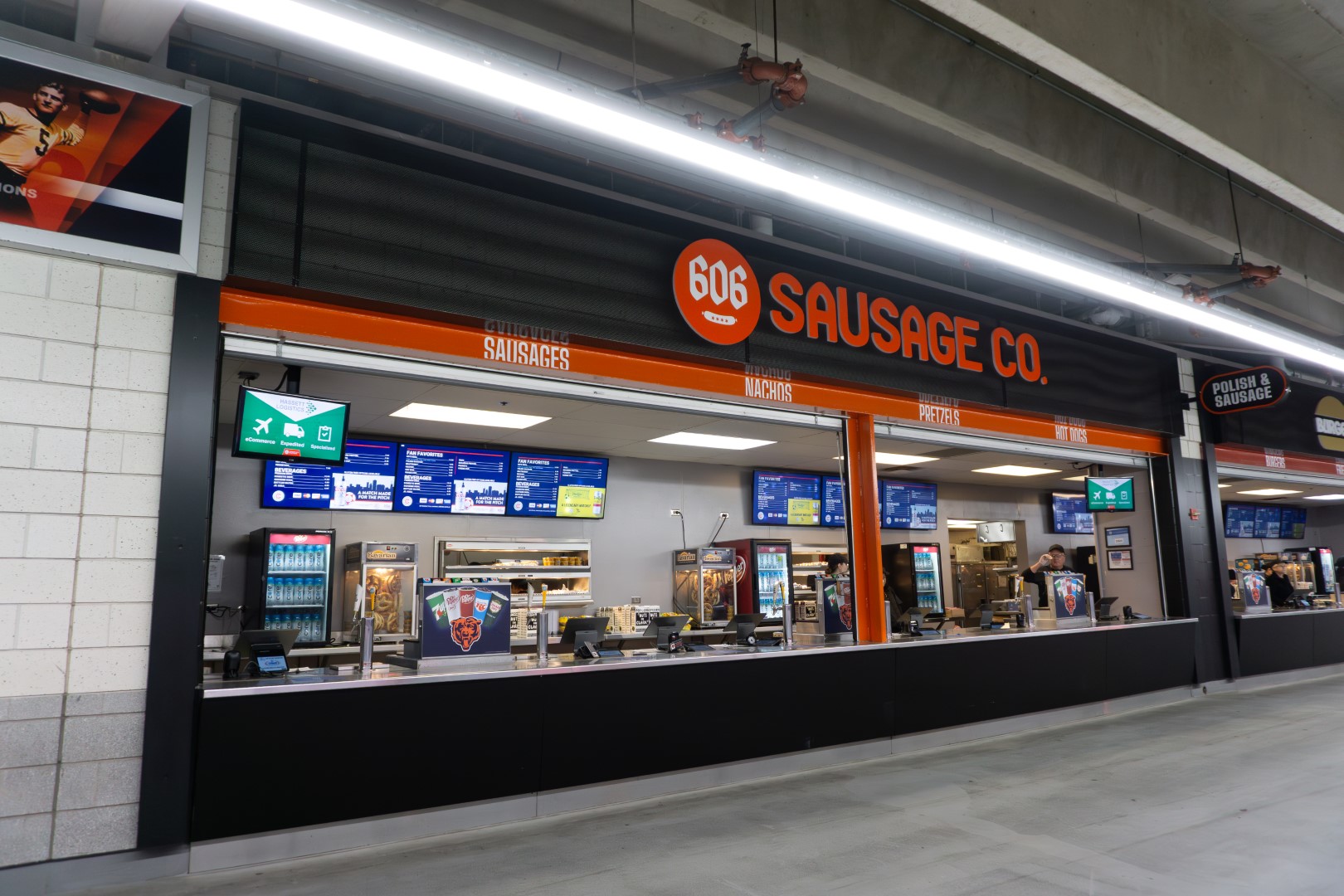
Ahead of the game on March 29th, I was primarily in the concourse to take photos for an upcoming story on the fan-facing changes at Soldier Field for the 2025 season. On my way back to the press box, while walking underneath a mural of former Bears greats, I decided to call an audible: noting the relatively inconspicuous signage for gluten-free items, I wondered how smooth the ordering process for gluten-free items would be. I didn’t want to simply trust that the items were available, especially since they were, if not entirely not “off menu,” not exactly listed on it, either.
So I doubled back, card in tow, to make an order. I wasn’t exactly incognito, wearing a neon photographer’s bib emblazoned with the team logo, ID identifying me as media hanging on a lanyard around my neck, but I figured the chances of special treatment were small to non-existent.
At the first location I tried, despite listing “gluten-free items” on the digital screen behind the counter, I was informed that no such options were available. Rather than push, I moved on – something that was really only feasible because crowds were sparse well before kickoff on a chilly day, making lines short to nonexistent. I had better luck in the second location I tried. When I first ordered, I was again told that they didn’t have gluten-free items – but then the employee at the next register said firmly, “no, we do.”
With the two working together at the point of sale terminal, the order was entered, and I was informed it would be a brief wait: Apparently, all of the sausages that were ready were already in-bun, and despite a plethora prepared items, including hot dogs with standard buns waiting under heat lamps for staff to serve to customers, apparently a gluten-free hot dog wasn’t one of them.
And then a wait
The wait eventually stretched to 14 minutes. That’s far from ideal for a soccer game, where the one break of the game at halftime is 15 minutes long, and if there had been a line, it would have made it impossible to make it there and back without missing a decent chunk of the 45-minute long second half.
Ultimately, the wait was a mixed blessing: The hot dog I received was freshly prepared, and warm in my hand. During my wait, a woman who had just left with an order of fries returned, saying they were cold and asked if she could get a hot order instead. One of the staff told her that was due to the temperature outside – a warm early spring day in Chicago had turned chillier, especially by the lake – but when the customer repeated the request, she was eventually given another order of fries.
They still weren’t warm, according to her, causing her to be given another order from the back of the heat lamp, closest to the kitchen and farthest from the wind. “Are those better? If not, we can get you another order but we’ll have to make them.” The woman shrugged – they weren’t, but she wasn’t going to stand around and wait. Staff (donning gloves) started to touch the tops of the fries under the heat lamps, checking their temperature. A minute later, they began tossing them: The customer was right, they were cold.
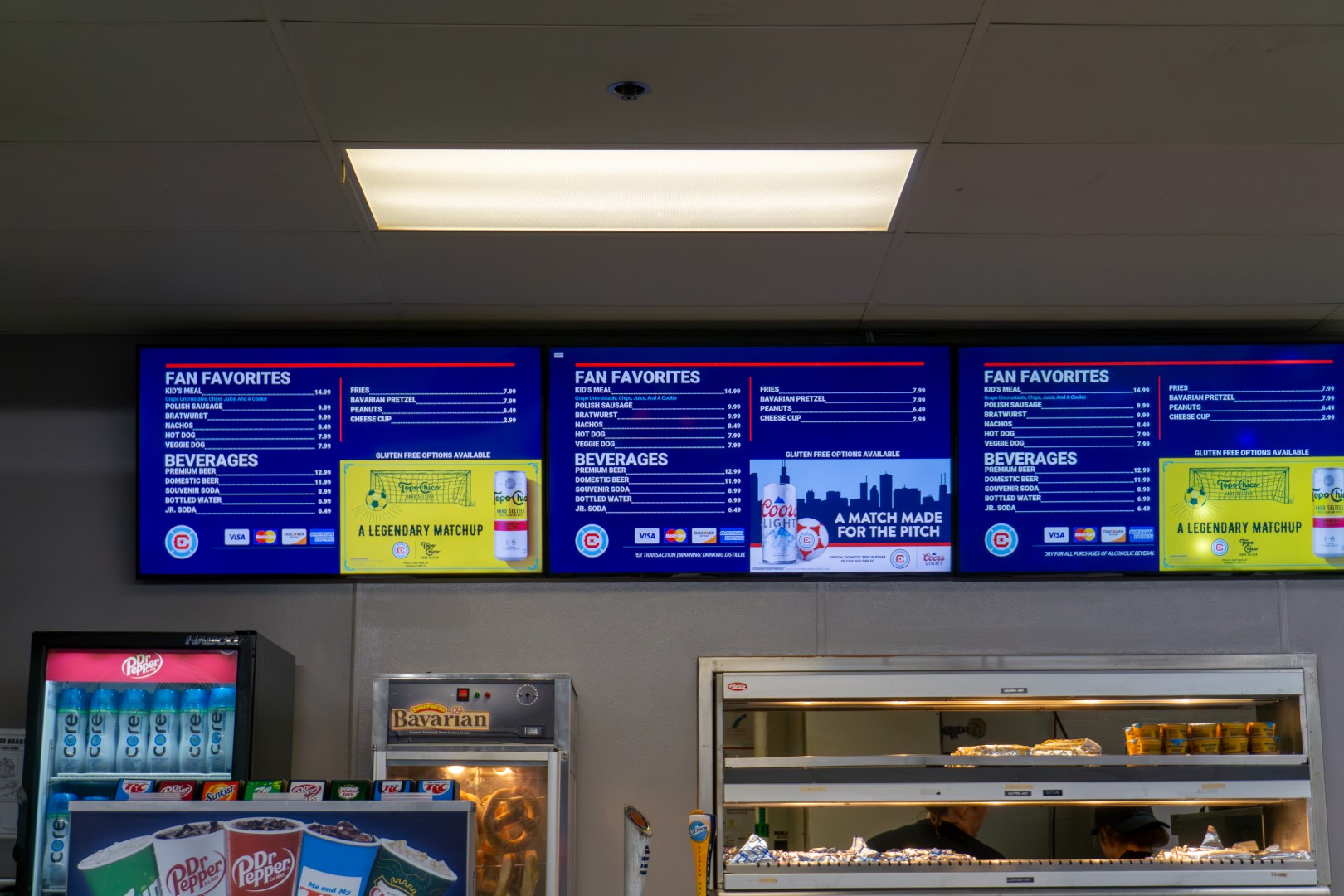
Nonetheless: that despite the relatively sparse crowd, a number of items – just not gluten-free hot dogs at that location – were being prepared ahead of time, in anticipation of crowds that had yet to materialize.
I’d initially planned to order a gluten-free hamburger as well, but given the delay in getting the gluten-free hot dog, I needed to get back to the press box. When I took the hot dog out of its foil wrapper, I wondered how “gluten-free” it was: Although the bun’s lack of stretchiness singled it out as being gluten-free, it did seem heated or toasted, which can raise issues of cross contamination, where the bun could have come into contact with gluten on shared equipment or a prep surface.
Concerns around cross-contamination and training
“Cross-contamination is always a concern in a shared kitchen or prep area, but the risks can be minimized with staff training and diligence,” said Kim Mahoney, a registered dietitian nutritionist. Still, she said, “at venues like stadiums, it’s important that individuals with dietary restrictions have nutritious options available,” noting that given how long fans are at a stadium, eating before or after the event may not be a workable solution, especially for children or those with conditions like diabetes. (Soldier Field policies do not prohibit guests from bringing in outside food.)
Sentiments around training were echoed by Brigid Lohman, a chef in the corporate food service industry. “Employee buy-in on allergen safety is reliant upon there being both resources and oversight to support initial training,” she said, and given issues like high turnover – common in the industry – oversight from management is also essential, saying that it’s essential to "continuously retrain and reinforce food safety and allergen best practices," noting that is something she does daily in pre-service meetings. She also suggested having specifically-trained staff to handle allergy orders or having an “allergen champion” on-site as good practices.
Given the mixed messaging around whether or no gluten-free options were even available, therefore, I had real questions around employee training. I shared the experience I had with Levy Restaurants’ listed media contact, and asked if allergen training was given to front-line cash register staff as well as food preparation staff. I also asked about food preparation areas, and whether allergen-listed items were prepared in shared equipment or on shared lines, and whether customers looking to order gluten-free items should plan on additional time when ordering, and if so, if there were guidelines that they should be aware of. I asked if there were plans on improving signage or staff training to help customers with dietary restrictions find items.
In response, MIR97 Media was given the following statement from Levy: “We have a variety of food and beverage offerings for guests with different tastes and dietary needs and preferences. That includes a number of options across the stadium for those avoiding gluten. We’re always listening to fan feedback, reviewing how we can deliver the best possible fan experience, and will continue to explore opportunities to make impactful enhancements.”
According to several attendees who spoke to MIR97 Media, team owner Joe Mansueto said that he wants the team to provide the “best fan experience in the world” at a recent lunch with season ticket holders. The experience ordering a gluten-free hot dog shows that there’s still a long way to go to reach that goal. Based on conversations with Fire fans, this reflects many aspects of the stadium concessions experience early in this season: Improved, but still far from perfect, as the venue’s hospitality partner navigates the constraints of the aging venue with limited food preparation space, now well comfortably in its third decade since a major renovation, and where the Fire’s capacity to affect change is hampered by their status as a junior tenant.