“Nothing To Lose”: Chicago Fire vs Philadelphia Series Preview
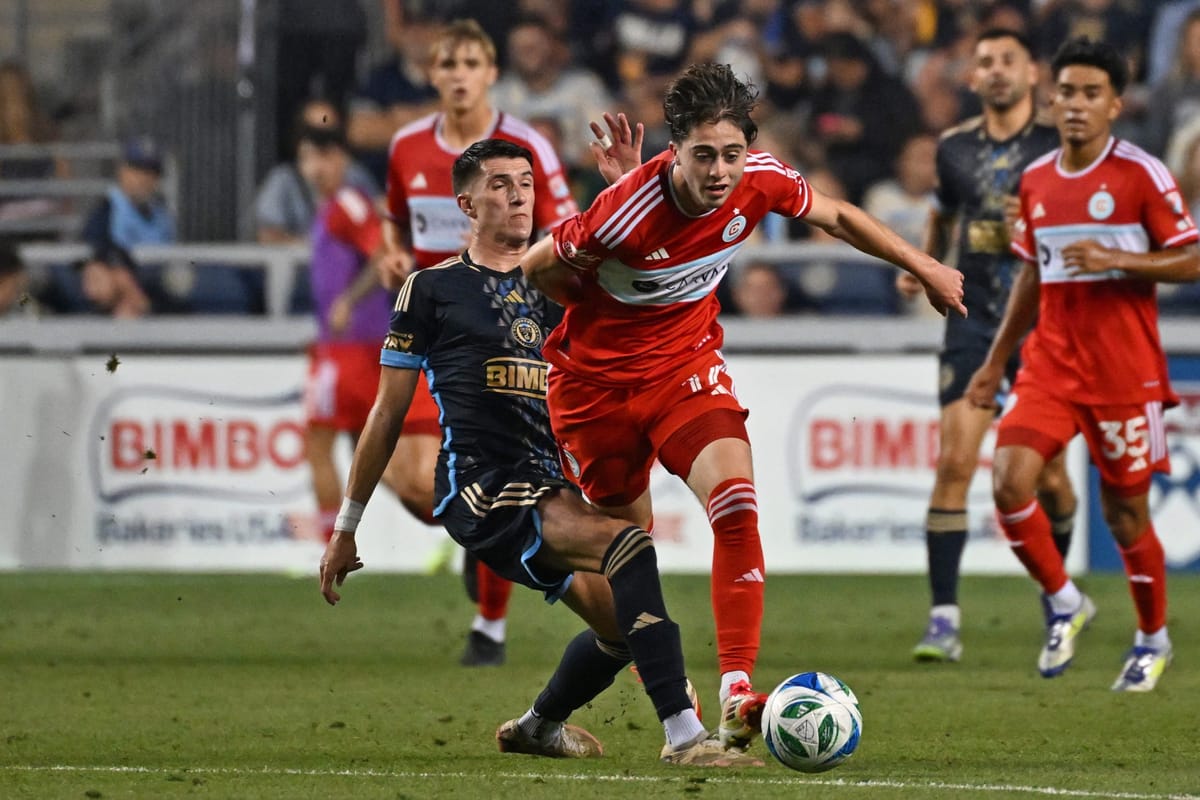
For the first time since 2009, the Chicago Fire are on the road for a playoff game. That year, the Fire won the home-and-away series against the New England Revolution by a 3-2 aggregate scoreline. This time, they face the Philadelphia Union in the playoffs for the first time – and it’s a new format for the Fire, a best-of-three series.
The Philadelphia Union will be better rested while the FIre will try to take the positive energy from Wednesday’s victory over Orlando and turn it into the fuel needed to overcome their shorter rest.
Make no mistake, though: While it isn’t fair to Orlando City to say that the Fire’s victory on Wednesday was an easy one, the Supporters Shield-winning Union will be a much, much sterner test.
None of that is news to Fire Head Coach Gregg Berhalter, who said “Philly was the best team in the league this year, indicated by the Supporters’ Shield. Very good team. I think they kicked our butt the first two times we played them” shortly after the team’s victory against Orlando.”
From here on out, the storyline writes itself: From here on out, every game the Fire participate in will be the biggest for the team since 2009. Win, lose or draw in Chester on Sunday night, and the Fire will have a game in front of a home crowd on November 1st in Bridgeview. From that game onwards, the Fire’s season ends one of two ways: In a defeat, or hoisting MLS Cup for the second time in team history.
Best-of-Three Format Unique
Throughout the game globally, virtually every knock out competition comes in one of two formats: Single elimination or home-and-away ties.
Not the first round of the MLS Cup Playoffs, however: Since 2023, the first round – and only the first round – is a best-of-three series, a format common in other North American sports but foreign to soccer. In a throwback to the changes made to soccer in the NASL days – and carried through to MLS’s first seasons – none of the games can end in a draw. If the sides are tied after 90 minutes and stoppage time, the teams will go directly to penalty kicks.
Unlike home-and-away, goal differential and away goals don’t matter in this format: With a winner in each game, a team could lose the first game by eight goals and then play to a 0-0 draw after regulation in the next two games and advance if they prevail on penalty kicks in the final two matches.
How do you teams approach the format? Bradley Carnell is focused on getting result early – “I’d do a disservice now planning for three games as opposed to just planning for one every every match,” he said, “so for me, this sort of whole principle stays the same for sure.” As for the three game series? Carnell’s hope is to wrap it up quicker than that “For us, it's two games,” noting “we've been good on the road. We've been good at home, so you know we want to make sure that we get off on the right foot at home.”
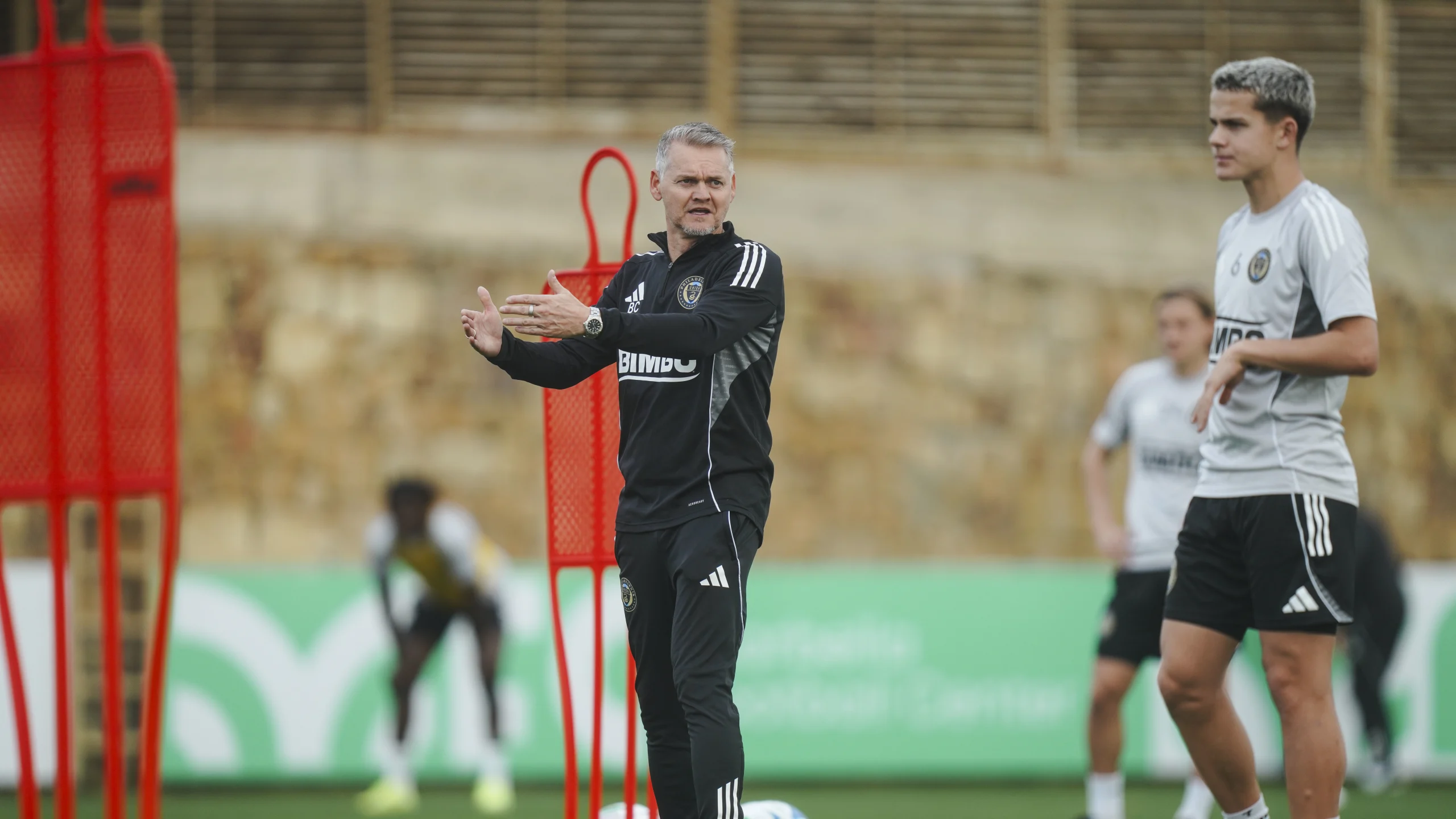
Berhalter noted that the format does award a potential for a fresh start. “I've been trying to think of ways where you can adjust based on the format, right? And the only thing I can think of is, it's a clean slate after this game, right? So, basically, the result of this game, then you move forward. Whereas, if you're playing a home-and-away, it's aggregate score, you have to be careful of that. So really you have nothing to lose in the game.”
That matters, in particular, for the first game on the road. “You go there and you try to compete your best and whatever happens, happens,” he said of Sunday’s matchup in Pennsylvania. “You know there's another game, and then you focus on that game. It's almost like in the NBA Finals, when you see games, right? And you're really surprised at the result, and then they go back and there's adjustments you'll make between the games. I'm really interested to take part in the three-game series. Excited about it.”
What to Expect
Philadelphia Union
History and Style of Play
Coming off a year when the Philadelphia Union failed to make the postseason, the team unexpectedly fired longtime head coach (and Fire legend, from his time as a player) Jim Curtin. They brought in Bradley Carnell, who in 2023 coached St. Louis to the top of their conference – only to see a first-round exit to wildcard round winners Sporting Kansas City.
Carnell returned Union soccer to the roots established by Sporting Director Ernst Tanner – gone was trying to build through possession, and back was a high-intensity, high-pressing brand of soccer. Building on one of the most talent-rich hotbeds in MLS, the Union have built through their academy, and everyone, from 13-year-olds in the academy through the first team, play with a high level of intensity. Preferring games without the ball to games with it, they counter, they press, they win balls and they advance down the pitch quickly.
It’s been effective for Carnell and his squad to this point, but the model has often fallen apart in the postseason. The New York Red Bulls never won an MLS Cup, nor have any teams that have been entirely devoted to the so-called Red Bulls style of play.
Still: Most teams have a style of play. With the Union, however, much of the style runs deeper – it is DNA, it is built into the foundation, brick by brick, of player development in the academy. That kind of dedication to the style can give players a certainty, something to fall back on, even that can be the difference between a winning play and a mistake in those individual moments that so often decide a game.
Defending a Strong suit
Each year, MLS has three finalists for Defender of the Year. Two of them – center back Jakob Glesnes and left back Kai Wagner – play for the Philadelphia Union. They have led a defensive corps that conceded just 35 goals in 34 regular season games – a total that includes a lopsided 7-0 loss in Vancouver when the Union were gearing up to face Nashville in the U.S. Open Cup semifinals just three days later, two-thirds of a continent away.
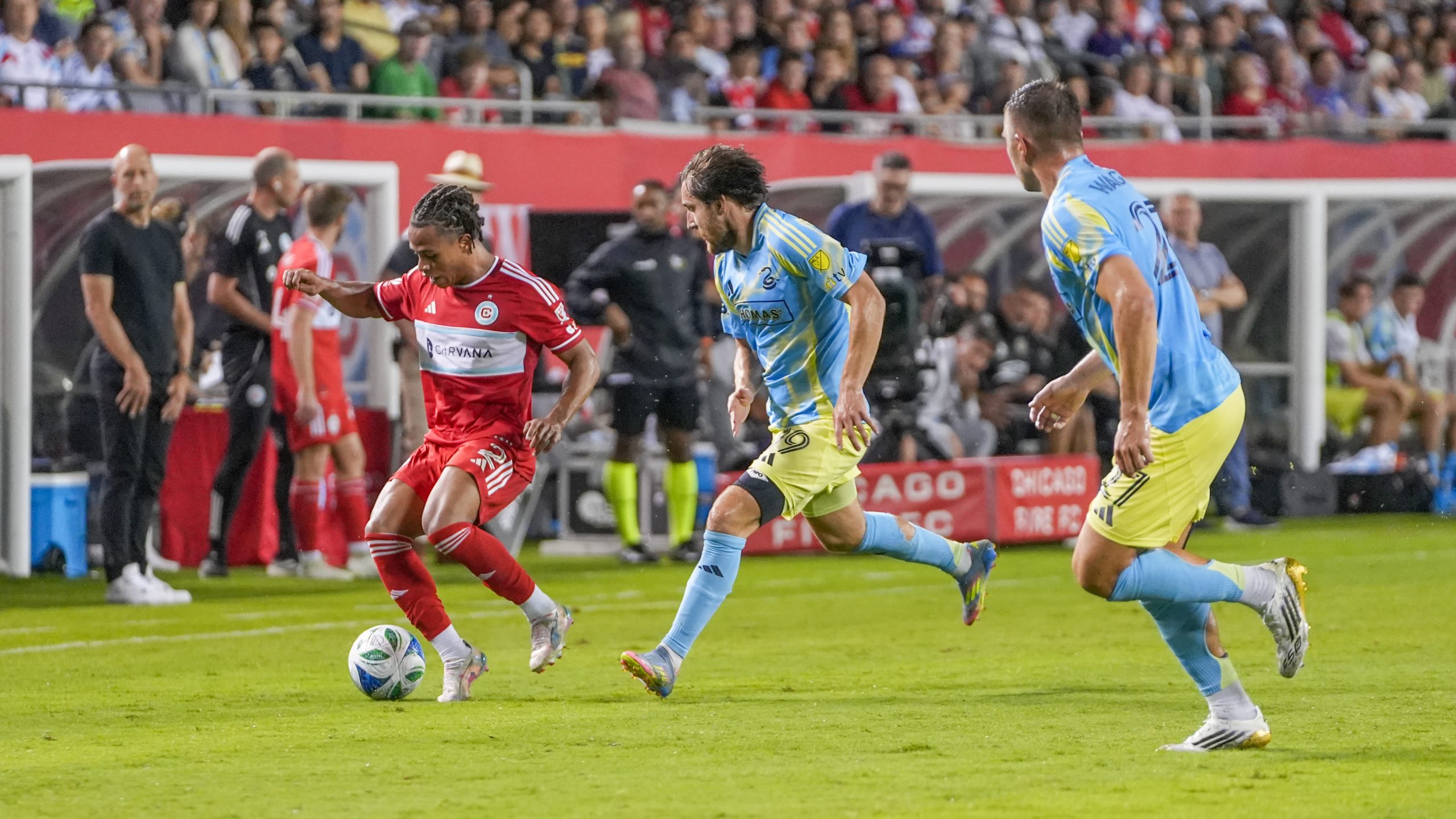
Conceding just – just – over one goal a game comes on the back of 14 clean sheets. “We have the best clean sheet record in the league,” Carnell said on Friday., “but we split it up.” Longtime Union goalkeeper and Jamaican international Andre Blake was injured for stretches of the season, giving 19-year-old homegrown Andrew Rick 14 appearances, including 13 starts. “I think,” Carnell said of the division of clean sheets between the two goalkeepers, “it’s eight and six. Eight was Andre and six with Rick.”
Blake was long considered one of the best goalkeepers in the league – and he has been – but when you have two goalkeepers getting an average of just under a clean sheet every second game, it says a lot about how the team defends.
Strength throughout the squad
Carnell was quick to point out it isn’t just those two defenders being recognized from his squad – “think about the three U-22 guys as well,” he said Friday, referring to the fact that the Philadelphia Union’s Quinn Sullivan, Olwethu Markhanya and Frankie Westfield noted on the annual list. That made the Union one of just four teams to have multiple players in this year’s edition – and the only one with more than two. Quinn Sullivan will be out for the rest of the Union’s 2025 campaign – however long that lasts – due to injury but his younger brother Cavan will be available, having delayed his departure to the U.S. U-17 National Team ahead of their preparations for the age group’s World Cup tournament in Qatar in November.
On top of the young players, the Union have a potent goal-scorer in Israeli international Tai Baribo, who had 16 tallies on the campaign, as well as a significant contributions from Bruno Damiani (7G, 2A), Mikail Uhre (6G, 6A) and Indiana Vassilev (5G, 4A).
The Union rely on those attackers for more than just goals. “I just see a combination through everything that we do, and it’s a collective approach, because all of that is only because Bruno, Mika [Uhre], Tai, the way they defend and keep it compact and keep it connected. And so you know, they’re the main ones who start that and initiate our defensive shape.”
How they see the Fire
The Union are using the two games against the Fire as a starting point. “We looked in mid-year, against Chicago in May or in August, so we had some really good data points then,” Bradley Carnell said of the two very different games that both resulted in victories for the Union.
The Union gaffer is aware of the Fire’s recent formation shifts. “They’ve changed to a back five system, and then they go back to a four in the match on Wednesday. So again, the more you focus on somebody else, it means you’re taking less, you know, about what you can impact and influence.”
Does that affect the Union’s approach? Not much, according to Carnell. “For sure, there’s tactical nuances about that,” he said of the Fire’s formation shifts. “We say, we’re in a [back] five or four, but the principles don’t change. And you know, we’re a principal focused team.” He recognizes that’s true of his opponent as well. “They’ve changed a lot of different things that matched up to the opponent, but you know what they don’t change is the quality in their group and the front three are excellent soccer players,” referring to Jonathan Bamba, Hugo Cuypers and Philip Zinckernagel.
Chicago Fire
Fire Head Coach Gregg Berhalter is aware of the challenge that the Philadelphia Union present from Orlando. “They're two completely different opponents, so I think we can't get lured into this false sense of security, thinking that the games are going to look the same. They will not look the same, and that's okay. But for us, I was really happy that the team was able to get this first playoff experience” against Orlando on Wednesday, “and really understand the intensity needed in these playoff games. We rose to that occasion, and it will be the same on Sunday. We're going to have to bring similar energy and similar mindset if we want to compete in this game.”
The message was echoed by team captain – and former Philadelphia Union player – Jack Elliott, who said “They're two completely different opponents, so I think we can't get lured into this false sense of security, thinking that the games are going to look the same. They will not look the same, and that's okay. But for us, I was really happy that the team was able to get this first playoff experience and really understand the intensity needed in these playoff games. We rose to that occasion, and it will be the same on Sunday. We're going to have to bring similar energy and similar mindset if we want to compete in this game.”
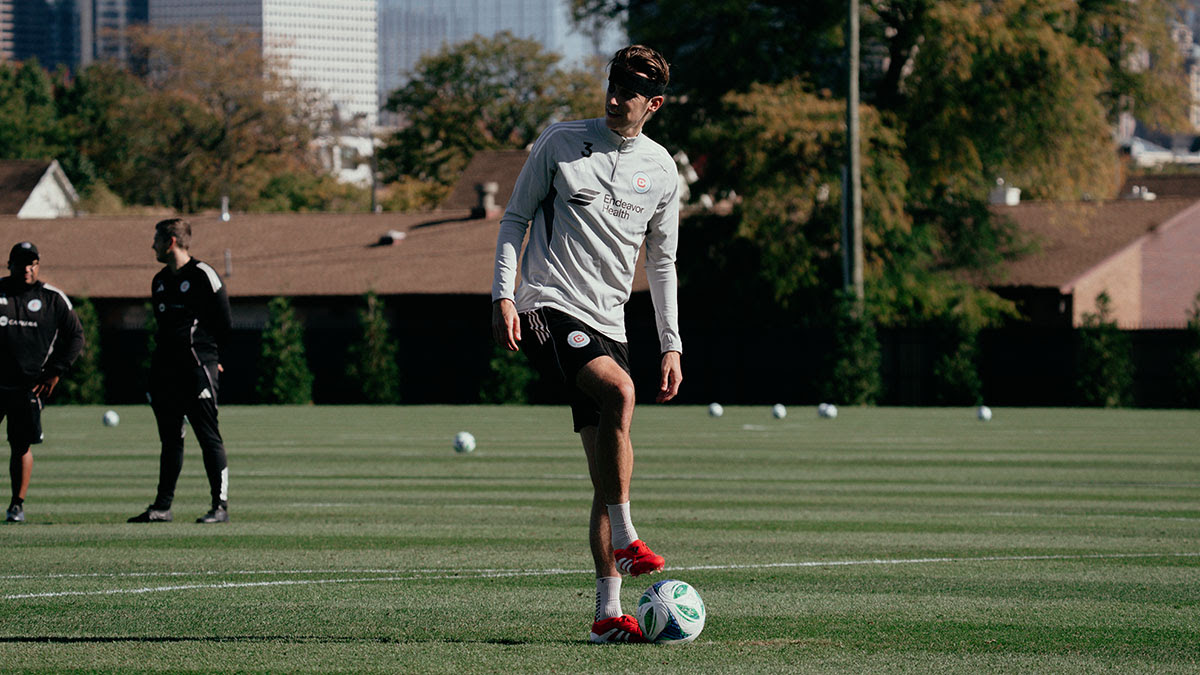
Measuring Up Against Philadelphia
When told of Carnell’s comments about the strength of the Fire’s offense, Berhalter wasn’t having any of it. “I don't know what Bradley's saying. We didn't score a goal against them in two games. They did a great job against us in both games. The first game, I think we had a number of chances, much closer chances. Second game, there were few and far between.”
Still, Berhalter is hoping the routine of preparing for this game just like any other will bolster his squad. “I don't know what Bradley's saying. We didn't score a goal against them in two games. They did a great job against us in both games. The first game, I think we had a number of chances, much closer chances. Second game, there were few and far between.”
The Fire will rely on the experience of veterans in the squad – especially Jack Elliott who played his entire professional career in Philadelphia before coming to Chicago for this season. “I do have a wealth of experience there and know a lot about the stadium, the crowd and all that kind of stuff. But I think the most important thing for us, and something that we need to focus on, is that it's going to be a completely different game to the one we played the other night.”
The intensity is something Elliott knows the Fire will need to be prepared for “And it's a completely new game in which they'll do a lot of pressing and how they play. Trying to get momentum of the game and pressing you high is something that we already understand and have seen. And you know, it's caught us out before so I think it's just crucial to understand the type of game that it’s going to be. As much as the other night was a certain way, and it needed a certain type of intensity, the Philadelphia game, you have to step up again and do the same thing, but better.”
Tactical Approach Against the Union
Berhalter dismissed the notion of rolling out a new tactical approach for the team in late October, saying “We have our identity, and I think that's what's important. We've been working on it all year, and, you know, I think at this stage, it doesn't make sense to change who you are.”
As for formation? Berhalter seemed to suggest the switch to playing with a back five, with an additional center back on the pitch to defend, was temporary. “Well, we wanted to introduce a back five to give us flexibility and I think that's important. And then what it does in the meantime, it keeps your opponent somewhat guessing what you’re going to do.”
Does that mean that we’ll see a back four against the Union? Honestly – your guess is as good as the mine, but especially against an intense Union press that makes turnovers more likely, having one more center back on the pitch to provide additional defensive stability makes a lot of sense, at least for Game 1.
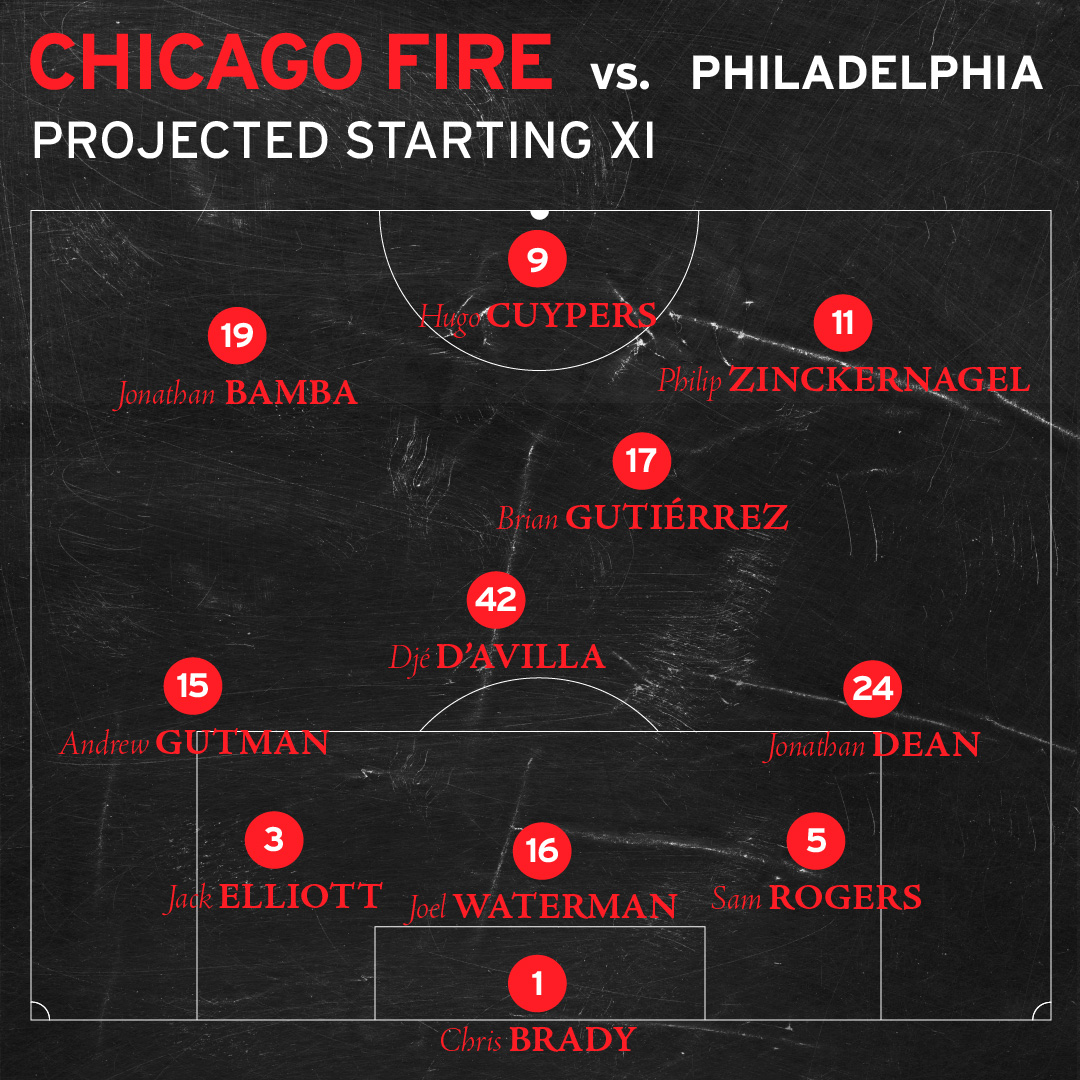
Projected Starting XI
Match Information and How to Watch
Date and Time: Sunday, October 26, 2025, 4:30 PM CTForecast: Cloudy with temperatures around 50°F at kickoff Location: Subaru Park, Chester, PATV: Apple TV – MLS Season Pass, Fox Sports 1 Radio: wlsam.com (English), Que Buena Fire via the Uforia App (Spanish).