Ten thoughts on the Fire's 2025 Schedule

The 2025 MLS regular season Schedule is set, and the Fire know their opponents and when they’ll be facing them. Although many facets of the MLS schedule remain unchanged – it is still 34 games long, still set to start the last week in February and end, somewhat awkwardly, following the October international break – MLS has tweaked some aspects of the schedule.
On net, the moves are genuinely positive ones for Fire fans, and MLS fans in general.
Here’s ten thoughts on the fixtures in the Fire’s 28th campaign.
1. The Fire doesn’t face murderer’s row – at first
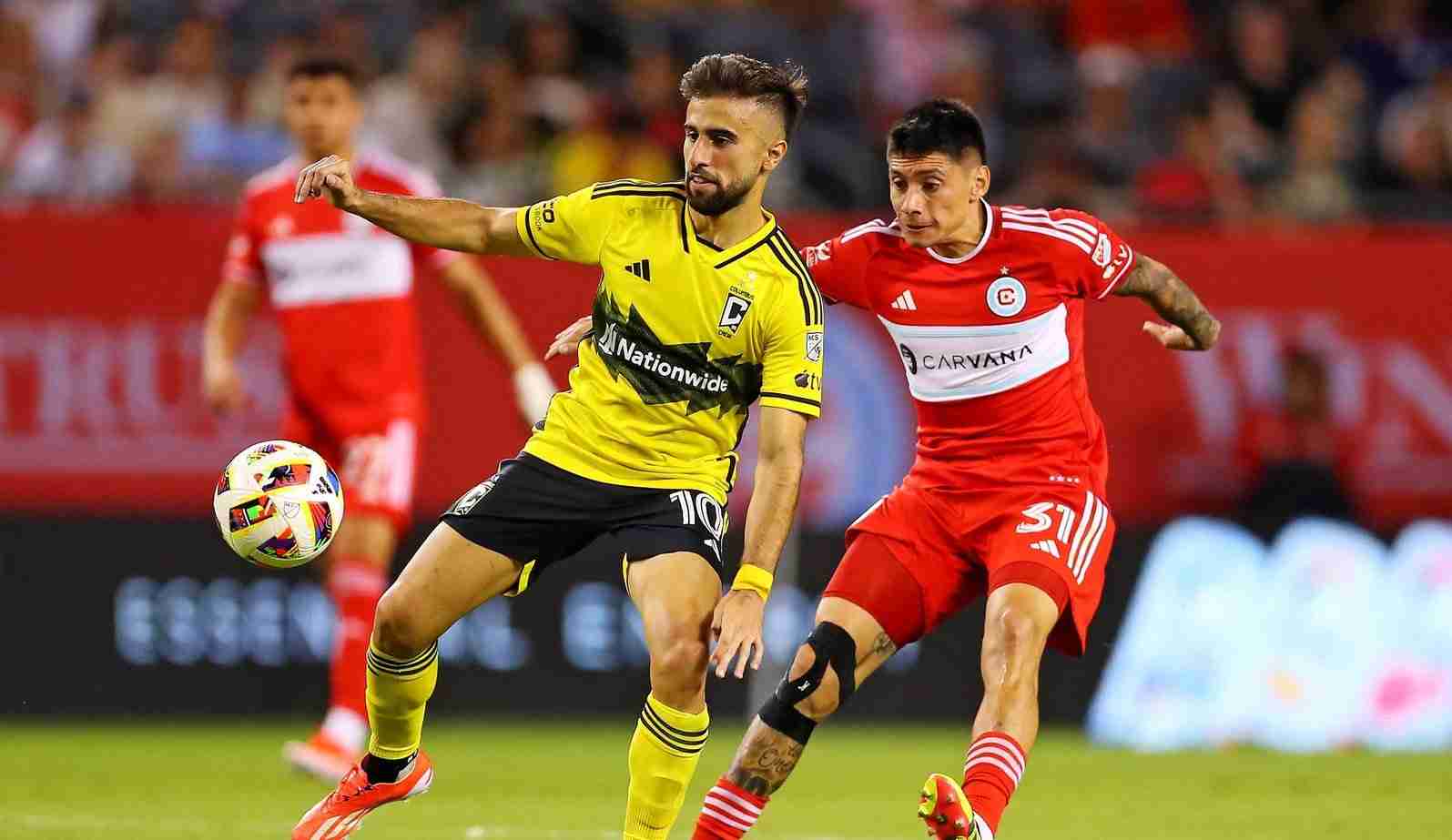
One of the stories from the Fire’s 2024 schedule was how difficult things were in the early going. They opened on the road against the Philadelphia Union, who had been the paragon of league consistency up to that season, before hosting FC Cincinnati, fresh off a Supporters Shield Win, and then traveled to Columbus to face the Crew who’d won MLS Cup the year prior.
The team played well against a number of those teams – getting a point on the road against the Union and losing a close contest to Cincinnati and then narrowly losing to the Crew the next week, thanks to a goal that came 10 minutes into second-half stoppage time, but a story early on was that with the team failing to get results and momentum in the early going, they’d always have an uphill battle for positioning in the standings.
This year, the team once again faces what is likely going to be a touch test on opening day, traveling to Columbus to take on the Crew, but after that, things get easier for the Fire: the team’s home opener is against D.C. United – the team with the second-longest playoff drought in the league after the Fire. After that, the team travels to Dallas (giving Gregg Berhalter his first chance at hardware with the Fire, as the Brimstone Cup will be contested for the first time since 2022) then Toronto, road games against two of the 11 teams that failed to make the postseason in 2024.
Even though only one of those first four games is at home (a mixed back for fans, many of whom are likely glad to watch their team on TV at a time of year when Chicago weather can still be bitterly cold), it’s a much easier start than the team faced last year and there’s a realistic chance of strong results in that stretch.
2. The going gets harder, quick

After that early stretch, however, 10 of the Fire’s next 12 matches come against opponents who made it to the postseason, including facing MLS Cup finalist New York Red Bulls back-to-back with Supporters Shield champions Inter Miami in early April.
Following the team’s home opener, the Fire don’t host a match against an opponent that failed to make the postseason until June 14th against Nashville SC. Their other non-playoff opponents during that stretch are the reverse fixture against Nashville on April 26 and a road game against D.C. United on June 6th. (They do play CF Montréal, a team that made the play-in round of the postseason but not playoffs proper, in their second home game of the year on March 29, in what may well seem like a must-win game given the matches that follow.)
3. Ding dong, the Leagues Cup pause is no more

This is the biggest single change in 2025, and enables a lot of the other changes that fans will welcome.
Liga MX President Mikel Arriola has confirmed a new format for the tournament between MLS and the Mexican top flight, with fixtures to be played midweek, as is common for continental competitions around the world. That means the month-long pause over the summer is no more.
That should be welcome news for the FIre. In 2023, the pause halted the momentum the team had been building over the summer, having won five of the six games going into the tournament. The Leagues Cup put an end to that, and after the tournament, they didn’t win any of their next seven games, getting just two points in that stretch.
In 2024, when the team failed to make it out of their group, they went from August 1st through August 24th without playing a competitive match. On top of that, the team’s only local game (not “home” since the match against Toluca was technically “away”) during that stretch was on August 1st.
The team went from July 13th through August 31 without hosting a game at Soldier Field – a seven week stretch that denied the team – and fans – of several prime home matches during the time when warm weather and summer break for kids generally make for fuller crowds.
What’s unclear at this point is whether the Fire will be invited to participate in the 2025 tournament at all. The format reported by several outlets would pair the 18 teams that made the postseason in MLS against the 18 teams in Liga MX, which would leave the Fire on the sidelines. Reports suggest that that may mean that the Fire first team would return to the U.S. Open Cup after having to send Fire II in their stead last year, though isn’t yet confirmed.
4. Midweek matches are an endangered species

Ending the Leagues Cup pause opened up matchdays for teams around the league, enabling MLS to significantly reduce the number of midweek matches. Last year, the Fire had six midweek matches (three each at home and away), and in 2023, the team played seven Wednesday games (three at home).
This year, the Fire play just two midweek games: They host the Union on June 25th and play Atlanta July 16th. Both of those matches – on Wednesdays – come during the summer, when kids are out of school and when the days are long.
Keeping games on weekends is welcome news both to fans, and, as you’d expect, the team’s bottom line as a result: The team’s two lowest-attended home games in 2024 were both on Wednesdays, with 12,806 showing up May 15th to see the Fire host Charlotte and 11,372 in attendance for the game against Orlando on May 29th. As if to drive the point home, the Fire had home games the Saturdays following those midweek clashes and brought in crowds of 23,319 and 25,237, respectively, showing just how much Wednesday games can hurt attendance.
Although it’s highly likely that the team will play tournament games midweek, the lack of weekday fixtures in the league schedule is a welcome change.
5. Matinées make a (slight) comeback

When MLS Season Pass was launched in 2023 after partnering with Apple to stream all games in one place, the league leaned hard into simultaneous, standardized kickoff times at 7:30 local. That was touted as a fan benefit – no more wondering what date or time the match would be on – and it also served to promote MLS 360, the league’s NFL Red Zone-like show.
Afternoon games, though, were popular with many, including families with young children and fans in colder climates (like Chicago’s), where even balmy days can become bitterly cold hours after the sun sets, and the downside of simultaneous kickoffs is that fans – particularly those going to games – were typically unable to watch many other games around the league live.
The team had just one afternoon game each of the past two years (sources have told MenInRed97 that the team requested, but did not receive, more from the league’s schedulers last season).
The team prefers to host its Kids Day promotion during a more child-friendly afternoon time slot, but that meant in 2024, the team had no choice but to put it on March 16th, making fans fight through St. Patrick’s Day Parade crowds to make it to Soldier Field for the team’s 1:00 PM kickoff.
Asked afterwards about his first St. Patrick’s Day experience, defender Tobias Salquist called the crowds “beautiful” and “unbelievable,” but that the number of people out and about made it hard to get to the stadium, and of the crowd, “many of them were drunk.” Not the ideal kid-friendly atmosphere, necessarily.
This year, MLS is introducing matches in a “featured” time slot, with no other games on the schedule, including many games in the afternoon (which means they might be able to catch some casual viewers in Europe and elsewhere, something I’ve advocated), and on Sundays.
As you might guess, Inter Miami is heavily featured in these matches, and the, indeed, game against Messi’s team is at 3:30 PM on Sunday, April 13th, but the team kicks off at 1:00 PM on May 10th against Atlanta.
The team also has two away matches in the afternoon - March 15th they play Toronto at 1:30 PM Central, and play New York City FC at 4:00 Central on May 25th.
That’s still double the number of afternoon games the team had each of the past two previous seasons, so it’s a step in the right direction for those, who, like Chris Brady, prefer games earlier in the day.
6. The NL Central Derby is becoming a fixture

Give the MLS schedule makers credit for this: They’re doing their part to turn St. Louis into a real, sporting rivalry between the natural geographic foes. For the third year in a row, the Fire will face St. Louis City, making them the only Western Conference team the Fire have faced each of the past three years.
Although the most intense rivalries always grow organically based on results on the pitch, with just six inter-conference games in an MLS team’s schedule, it’s good to see league headquarters giving the Fire matches against their nearest MLS opponent. Given the geographical matchups in the U.S. Open Cup (where the Fire and St. Louis City had their first meeting), here’s hoping the rivalry continues to grow.
The derby still doesn’t have a great name (I don’t love “NL Central Derby,” but you got what it meant), even if I don’t think we’ll get one as catchy as El Trafico or Derbyque, I still think it deserves a title. Jiggly has pushed “Downriver Derby,” but the best names are bi-directional (which is also why “Gateway Derby,” trialed by some in St. Louis, is out in my book, despite Chicago being at least as much of a gateway to the western half of the country).
“Old Ball Game Derby?” It’s too long but it gets at the baseball rivalry and hints at the fact that both Chicago and St. Louis were two of the original hotbeds of soccer in this country. I don’t know, let’s keep workshopping this together.
7. The team still needs more real rivals
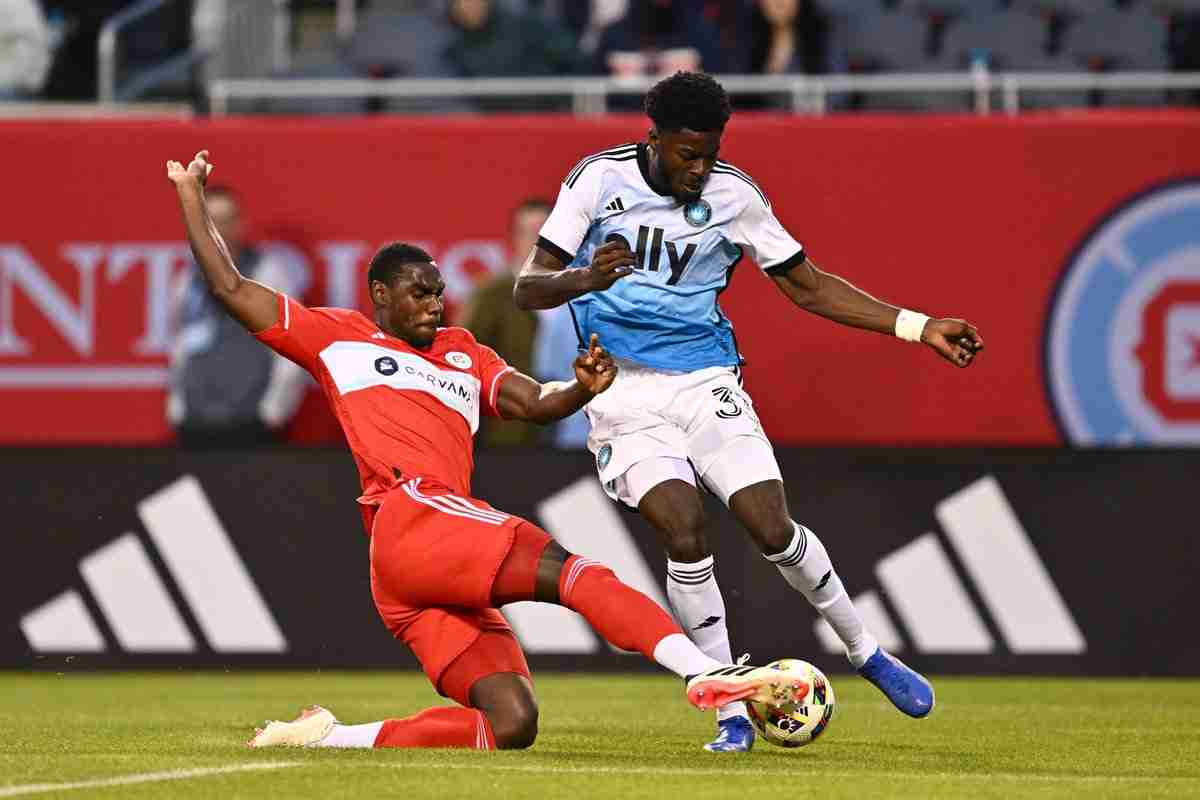
MLS Rivalry Week is back, with 26 teams taking to the pitch on Wednesday, May 14 and a full slate of 15 matches over the weekend, with 13 games on Saturday and two more on Sunday. Even as MLS is doing its part to stoke the rivalry with St. Louis, they still left the Fire out in the cold during the official rivalry week.
The Fire are one of four teams that doesn’t play midweek, and their game on Saturday comes against Charlotte FC, a team the Fire have played six times in their history, winning just one of those games, taking the opening matchup between the two clubs in 2022 and dropping the next five decisions.
To be clear, the games between the two sides have been far from toothless: Charlotte’s 2-0 win over the Fire on October 7, 2023 pulled the team into the postseason, at the Fire’s expense. At the time, Chicago knew that a win would come close to guaranteeing the Fire their first taste of the postseason since 2017, making the defeat especially bitter. The contests have also been close: That game was the only match between the two sides that wasn’t decided by a single goal.
Still, considering that it’s the Fire’s only game that week, it’s a disappointing choice of opponent. They’ll take the rest – and a chance at a second win in team history over Charlotte – but it just goes to show that the Fire’s lack of competitive results in recent years have hampered the team’s ability to build up rivalries as the league has grown.
To be clear, the Fire’s matchup is far from the only one that week that isn’t a burning rivalry – even Inter Miami play the San Jose Earthquakes on Wednesday, in the two teams’ second-ever meeting – but you can’t help but wish for a better matchup for the Fire.
It’s not like there weren’t some better matchups on the table: Dallas – who the Fire play earlier in the year – are, like the Fire, off midweek: Couldn’t the Brimstone Cup have been decided then?
8. Meet the new kid on the block
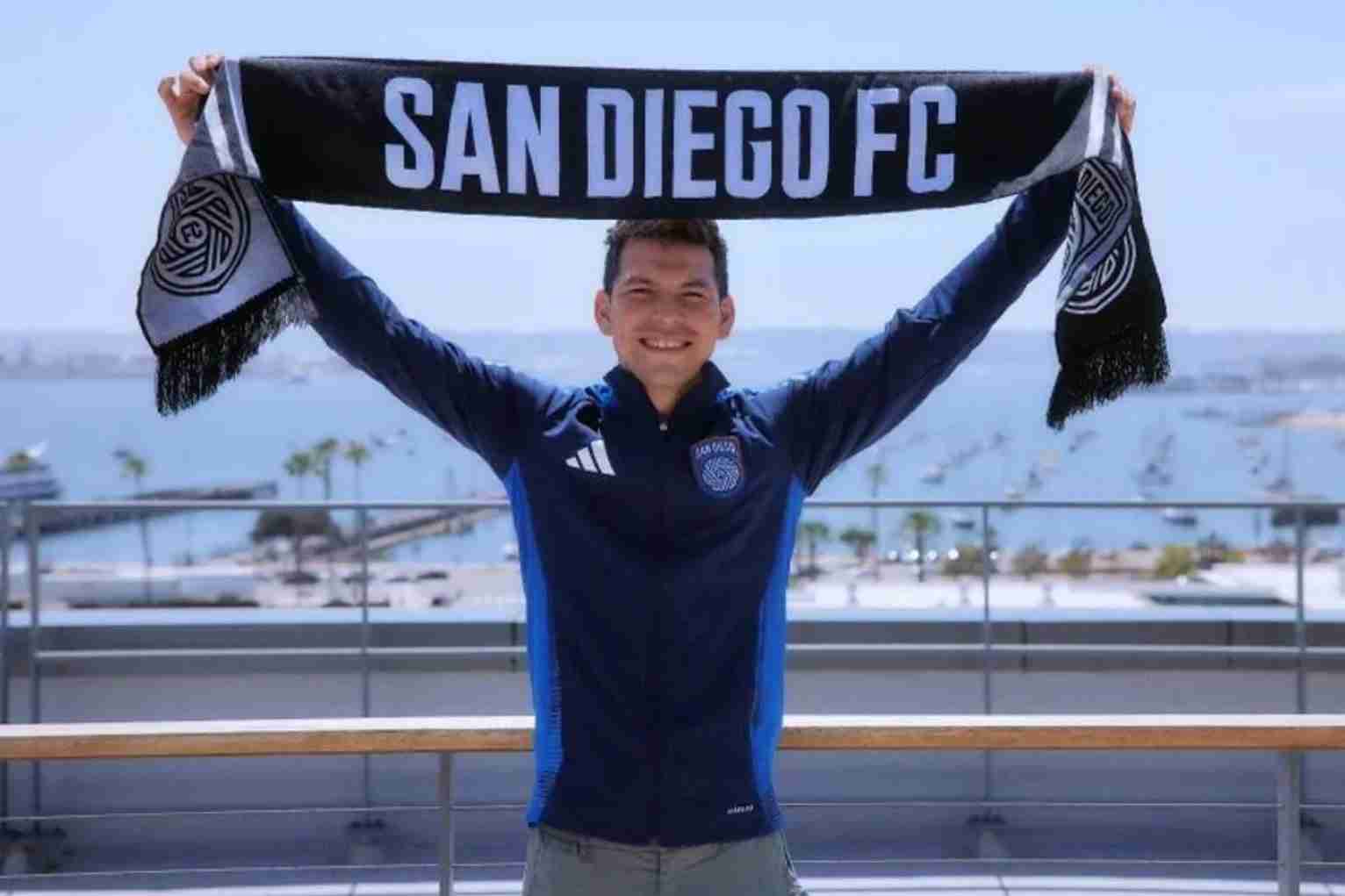
The Fire are set to host expansion team San Diego FC on July 12th, one of six inter-conference opponents for the league’s newest entrant.
San Diego is really just beginning to build out their roster, but they have already made an agreement to bring over Hirving “Chucky” Lozano from PSV in the Dutch Eredivisie, giving the team one of the Mexican national team’s most marketable stars in recent years.
That could make for a well-attended match at Soldier Field: Over 30,000 attended the Fire’s match against the Galaxy on April 16, 2022 (compared to crowds of under 12,000 for the adjacent home games on the team’s schedule), with many no doubt buying tickets to see Javier Hernández Balcázar after he signed with Los Angeles’s original MLS side. Chicharito didn’t end up featuring, but the strong attendance – it turned out to be the Fire’s high-water mark on the year, despite coming in early spring – made for a fun atmosphere despite a game that ended in a 0-0 draw.
Lozano may not be quite the draw that Chichiarito was, but if I was looking for a game to bring a Fire (or MLS)-curious friend or family member, I’d pencil this one in as one of the matches I’d take a hard look at.
9. MLS’s inter-conference scheduling is still curious

One thing the NFL does well, with a 17 game season in a 32 team league, is publish a scheduled rotation of opponents. It’s one thing MLS could learn, particularly now that teams each have just six games against teams from the other conference. Turning the Fire’s derby against St. Louis into a permanent fixture makes sense, but some of the other matchups are headscratchers.
The Fire will not see the Galaxy in the regular season this year, just the third time in history (after 2020, when their scheduled match was cancelled in the COVID-shortened season, and 2021) that they will not face the MLS original. It also marks the second time in the team’s history that the Fire won’t play the defending MLS Cup champion, since the team hasn’t seen Los Angeles FC since 2019 the last year that all teams in the league faced each other at least once (they were scheduled to play the Black and Gold in 2020 until COVID shortened the season), a streak that will finally end this year when the Fire host LAFC at Soldier Field for the first time.
Looking back, a lot of the scheduling decisions are confusing: Since all teams last played each other in 2019 the Fire have played Sporting Kansas City five times in MLS (plus once in Leagues Cup), including twice in 2020. Yet during that span, the Fire have only faced FC Dallas – a team with whom they share history, to say nothing of the Brimstone Cup – once (something that is, again, set to change).
They’ve also squared off against the Vancouver Whitecaps three times, and are scheduled to face them a fourth in March (mercifully, the Fire’s only 9:30 CT kickoff of the season). They’ve also played Minnesota United three times in MLS (and once in Leagues Cup, and are set for a fourth meeting in September. They’ve played Real Salt Lake twice.
And yet they haven’t played the MLS original Colorado Rapids since 2019, a streak set to continue this year (denying Fire fans a reunion with Djordje Mihailoviċ and Chris Armas), and the team has still yet to face Austin FC in MLS since the team entered the league in 2021 (the two did meet in the U.S. Open Cup).
I can see, to some extent, why MLS would avoid a more rigid rotation of inter-conference opponents – it meant that say, in 2023 when Lionel Messi entered the league, every Western Conference team had a chance to host Miami during his time here – but having five games against Kansas City while never facing Colorado over that span just becomes a head scratcher.
Now that MLS has 30 teams, dividing the league into two conferences (each of which has only three fewer teams than the Bundesliga) has become unwieldy.
10. The Bears schedule could create headaches
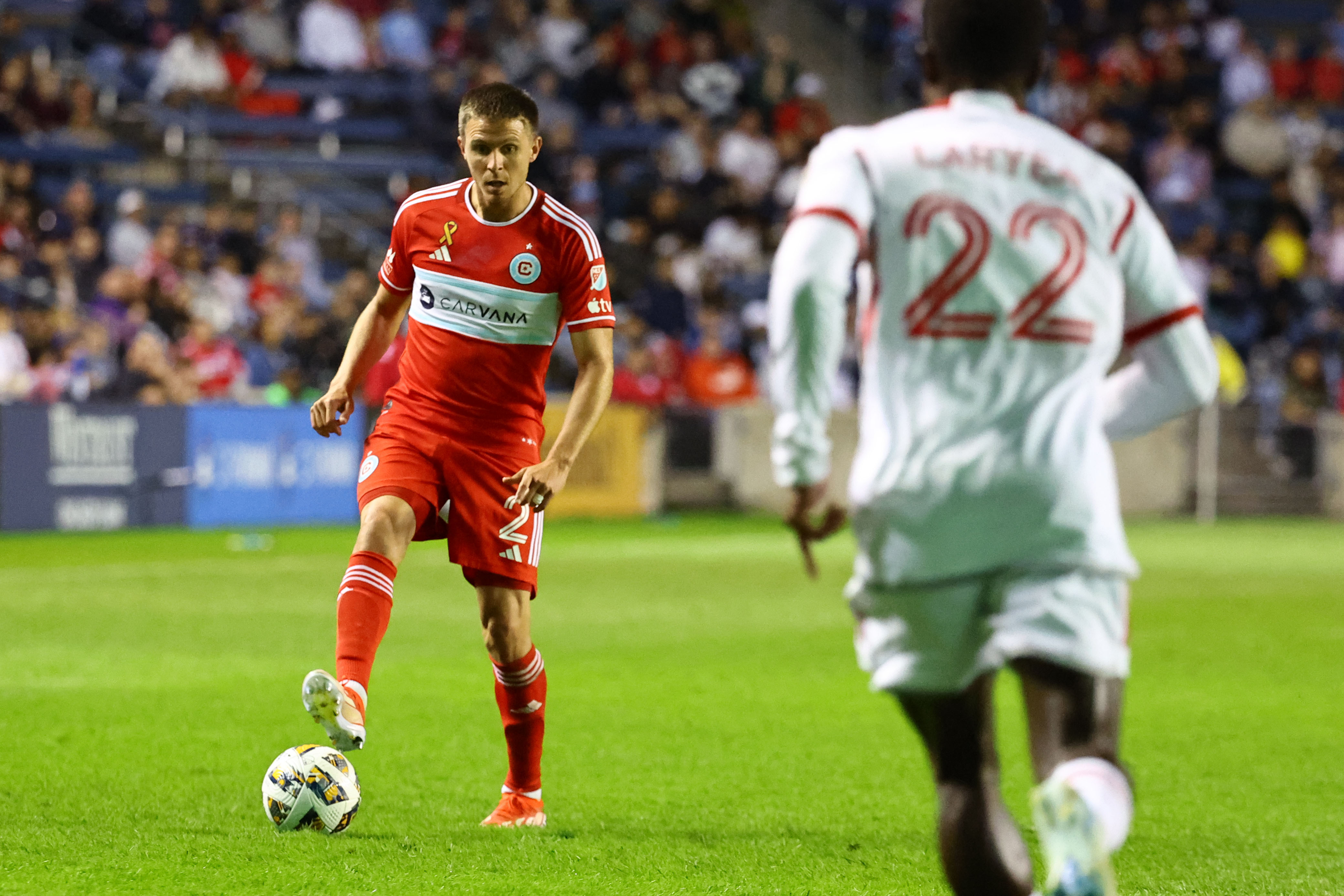
Once again, the Fire might have to decamp from Soldier Field for several games in the fall and late summer to make room for the Bears, who have scheduling priority for five days before home games.
The Bears are likely to host two preseason games in August (one more than in 2024), and the NFL regular season set to begin on September 4th. The Fire play six home games over that span, and like last year, the Chicago Marathon (whose Sunday date and finish along the lakefront typically ensures the Bears play elsewhere on that day) falls during the international break.
The possibly-affected matchups are against Western Conference opponents LAFC and St. Louis in August, as well as conference games against the Revolution, New York City FC, Columbus and Toronto in September and October.
It's highly unlikely that most of those games would be affected. Still, the Fire are slated to host games every Saturday except one from September 6th through October 4th, with their only away game September 20th when they visit Minnesota, making it highly likely that at least one game will have to move, if not more.
Issues like this are why the team’s new home can’t come soon enough.