"U.S. Way" Introduced on Road to 2026
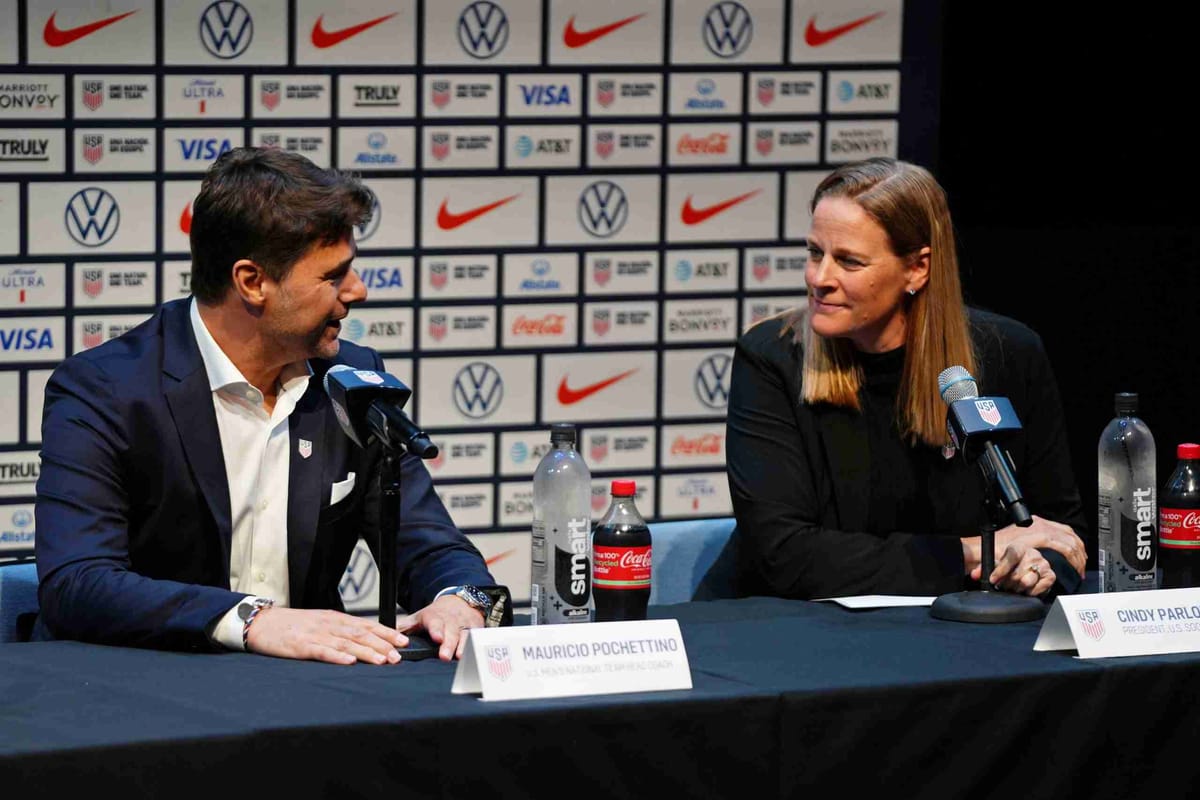
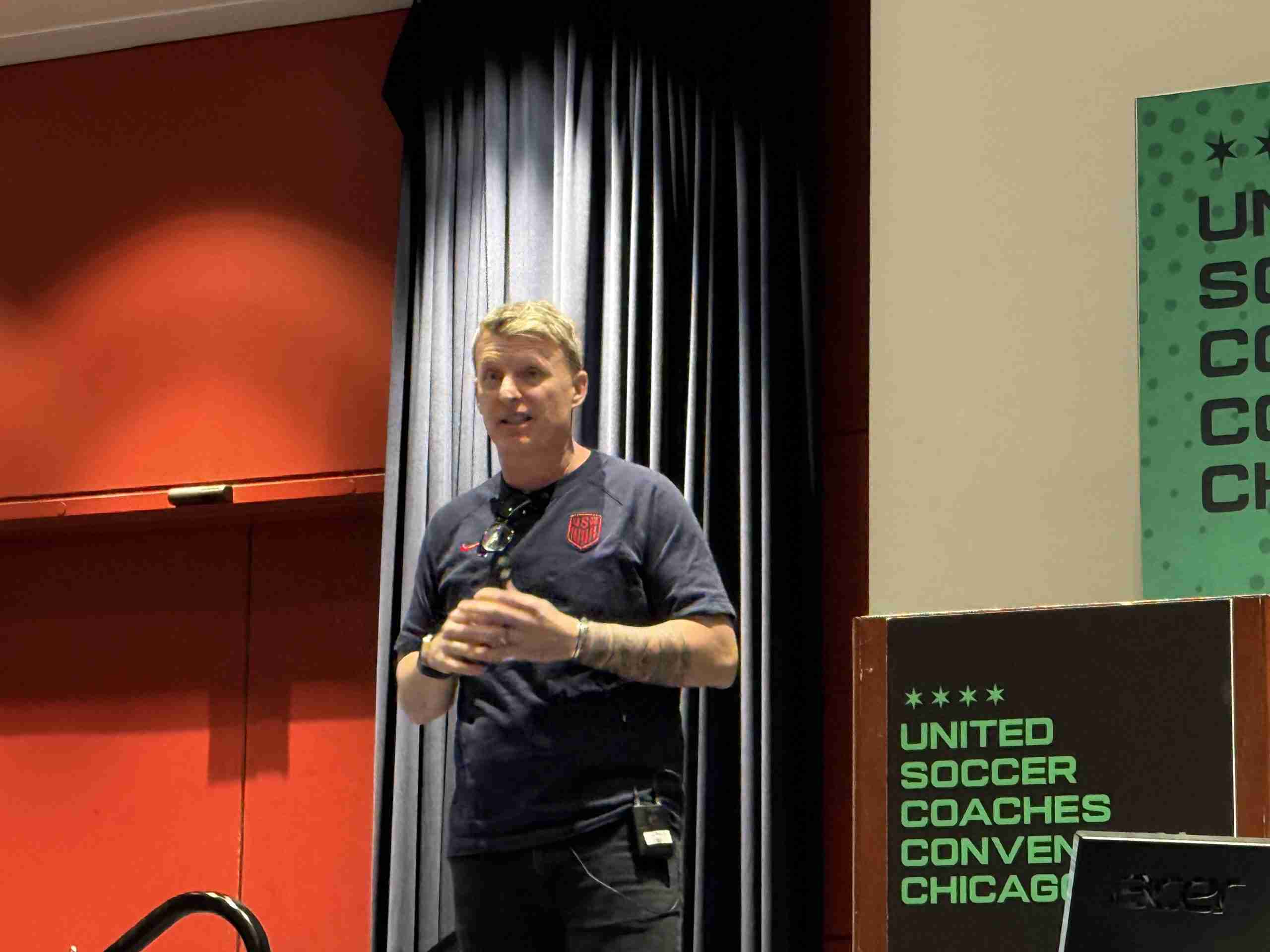
CHICAGO, Ill. — It’s an exciting time to be around U.S. Soccer. And at the United Soccer Coaches Convention in Chicago this weekend, that excitement was palpable.
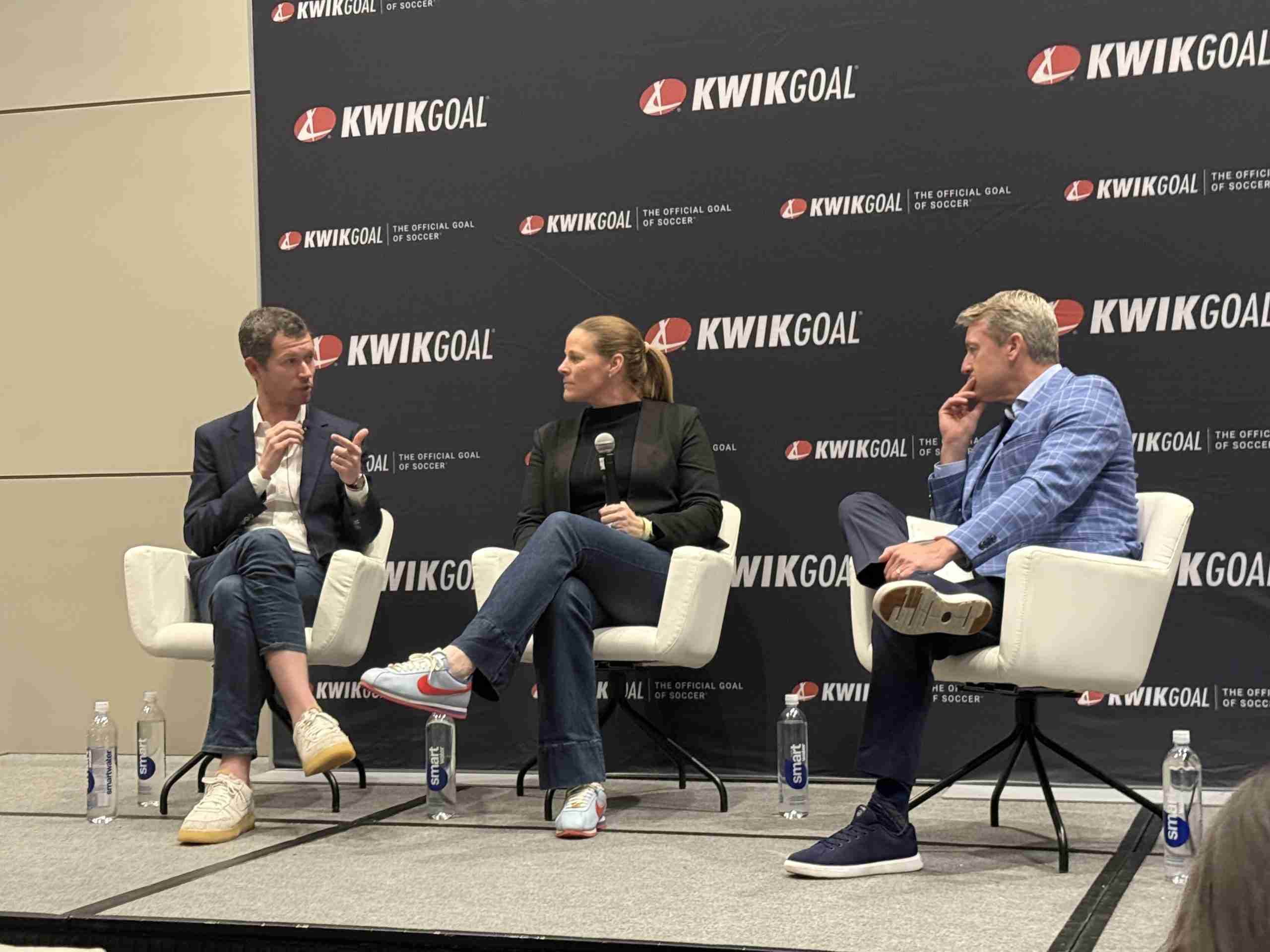
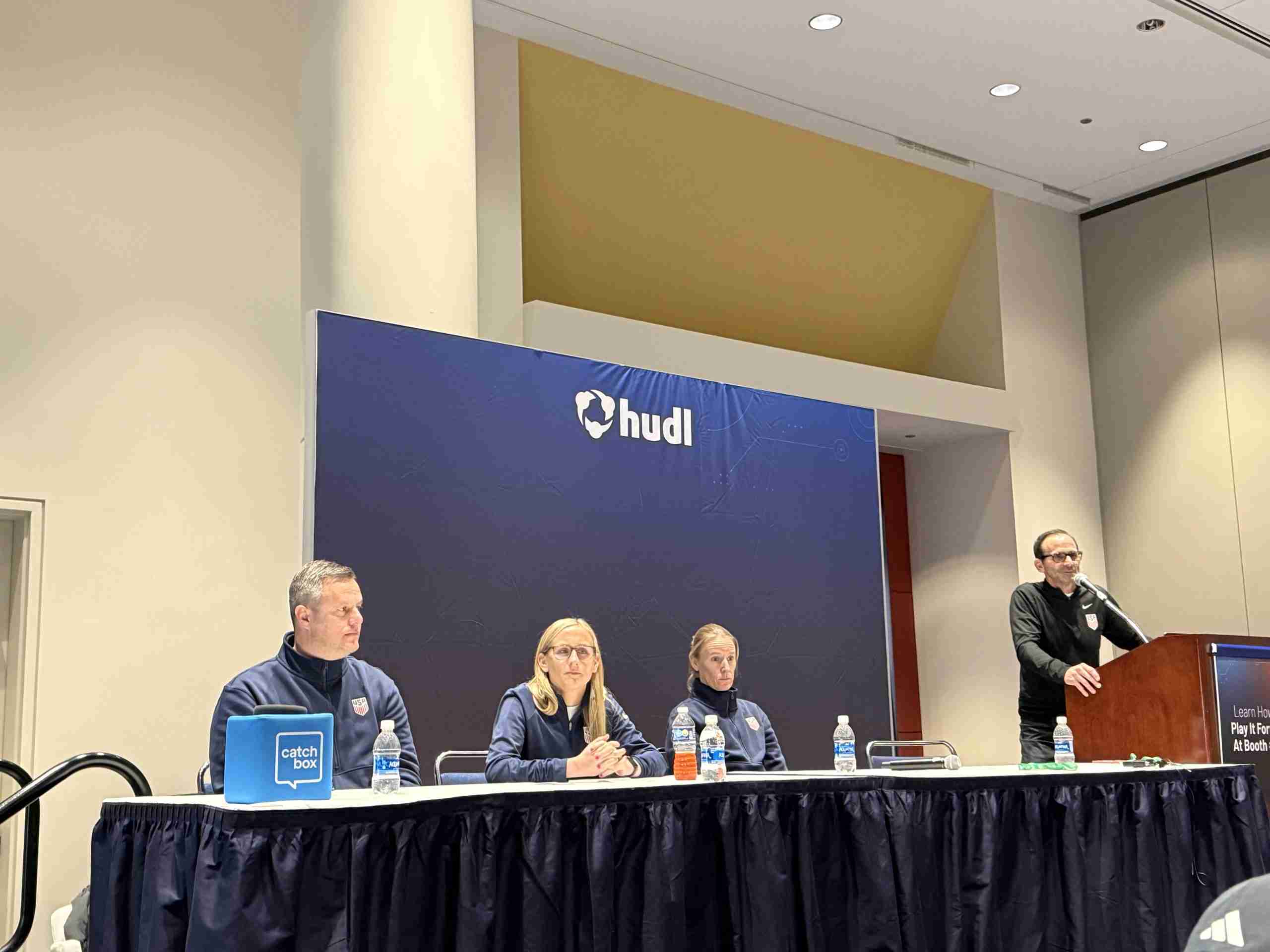
Several key figures at the U.S. Soccer Federation – including President Cindy Parlow Cone, CEO J.T. Batson, Sporting Director Matt Crocker, and Women’s National Team Head Coach Emma Hayes – were participants at the convention, unveiling a new-look sporting strategy along the way.
While this year’s edition wasn’t quite the same as years past without the participation of Major League Soccer or the National Women’s Soccer League, the USSF-related sessions provided an intriguing insight into what the future holds for American soccer. With the 2026 FIFA World Cup on home soil just around the corner, it won’t be the last time, either.
Introducing the U.S. Way
Throughout U.S. Soccer’s various presentations, there was one underlying theme that connected them all – “the U.S. Way.”
It’s the Federation’s new overarching holistic sporting strategy that will encompass all 27 national teams, from the senior men’s and women’s teams down to the U-14s and extended national teams. The program was revealed for the first time publicly at the convention and was one of the main talking points coming out of the whole event. If things go as planned, it’s something fans will become very familiar with in the coming years.
“(The U.S. Way) is our performance plan to be a country where all of our senior teams can consistently be a podium country at major tournaments,” Crocker said in his keynote presentation Thursday evening. “Yes, that is a big, lofty, ambitious goal. But we want to be in those latter stages of all World Cups, all major finals, all major championships… It's also our plan for changing and improving player development in this country.”
Central to this strategy is a focus on collaborative relationships, data-driven decision-making, and clear communication between various stakeholders, including clubs, players, coaches, and scouts. For instance, the U.S. Way lays out six “Key Qualities of a U.S. Player” and provides detailed descriptions of what those look like in practice.
Crocker, Parlow Cone, and others discussed using the “world-class player” as the ultimate top model, position by position. This idea indicates that the ultimate goal is to produce players of the highest caliber, something the U.S. has been unable to do in the past.
“We don’t have as many world-class players as we should,” Parlow Cone said Saturday in a fireside chat alongside Batson. “The number of (U.S.) women’s players among the top 50 and the top 250 in the world is kind of stagnant… there’s an even bigger challenge on the men’s side; of the top 50 players in the world? Zero. Top 250? We’ve had two in the last ten years.”
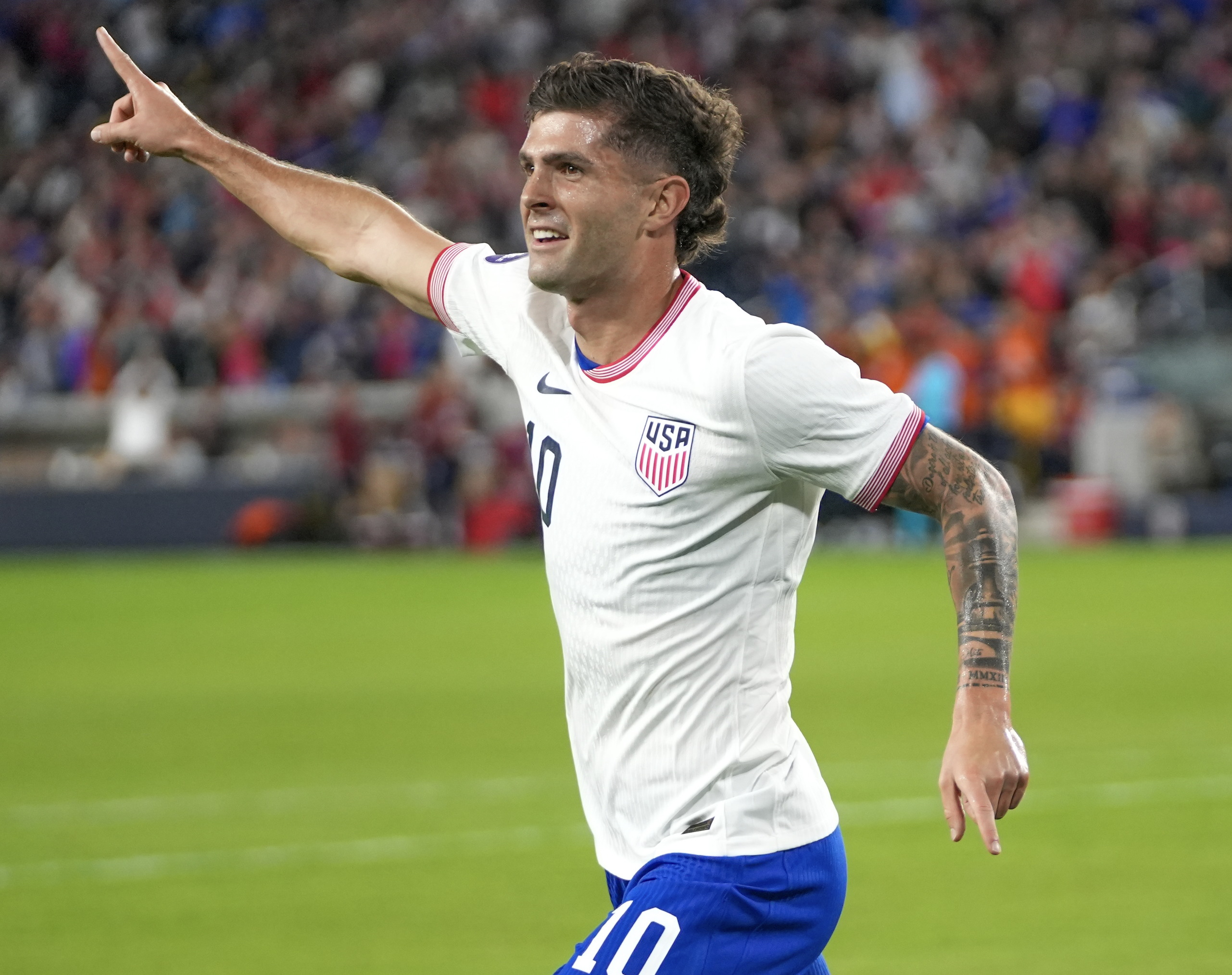
While that unintentionally paid a compliment to front-row attendee Tim Howard, who stands alongside Christian Pulisic as the only American to make the list in the last decade, it serves as a reminder of a sobering reality. For a nation of nearly 350 million people, the U.S. has dramatically underperformed at talent production, though it seems only a matter of time before that paradigm begins to shift.
The Need for More Youth Camps
It is no secret that smaller European countries have regularly outperformed the U.S. over the years at both the youth and senior levels. Pulling an example straight from Crocker’s Thursday presentation, Germany, England, and the Netherlands combined boast a population of 158 million, less than half of the U.S. total.
However, despite its size and massive player pool at all levels, the U.S. has held far fewer youth national team camps than any of them. Extrapolating for population, America would theoretically need 548 camps per year to match those three European nations’ rate; in 2024, there were just 49.
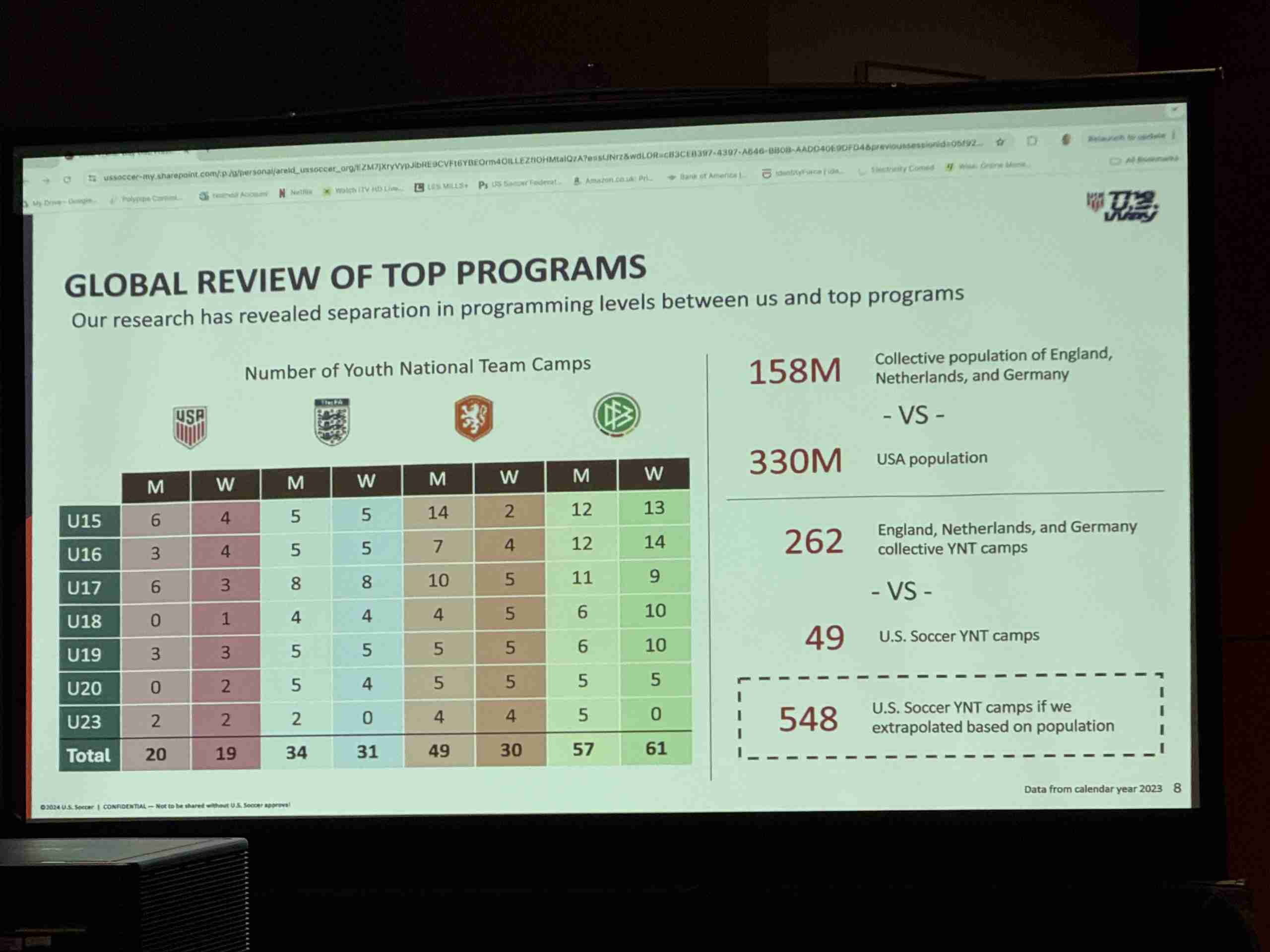
“The facts are that we have 50% fewer games right now than any one of those top nations in the world,” Crocker said. “We have 50% less contact time with those players. And 50% fewer camps, for me, means that we'll only be half as good.”
“So, the key thing that we have to address is not just about consistency with our national teams, making sure that our philosophies are clear. We've got full-time coaches, full-time administrators, and sports scientists… that we have the world’s best within our teams, and the environment is great at our national training center.”
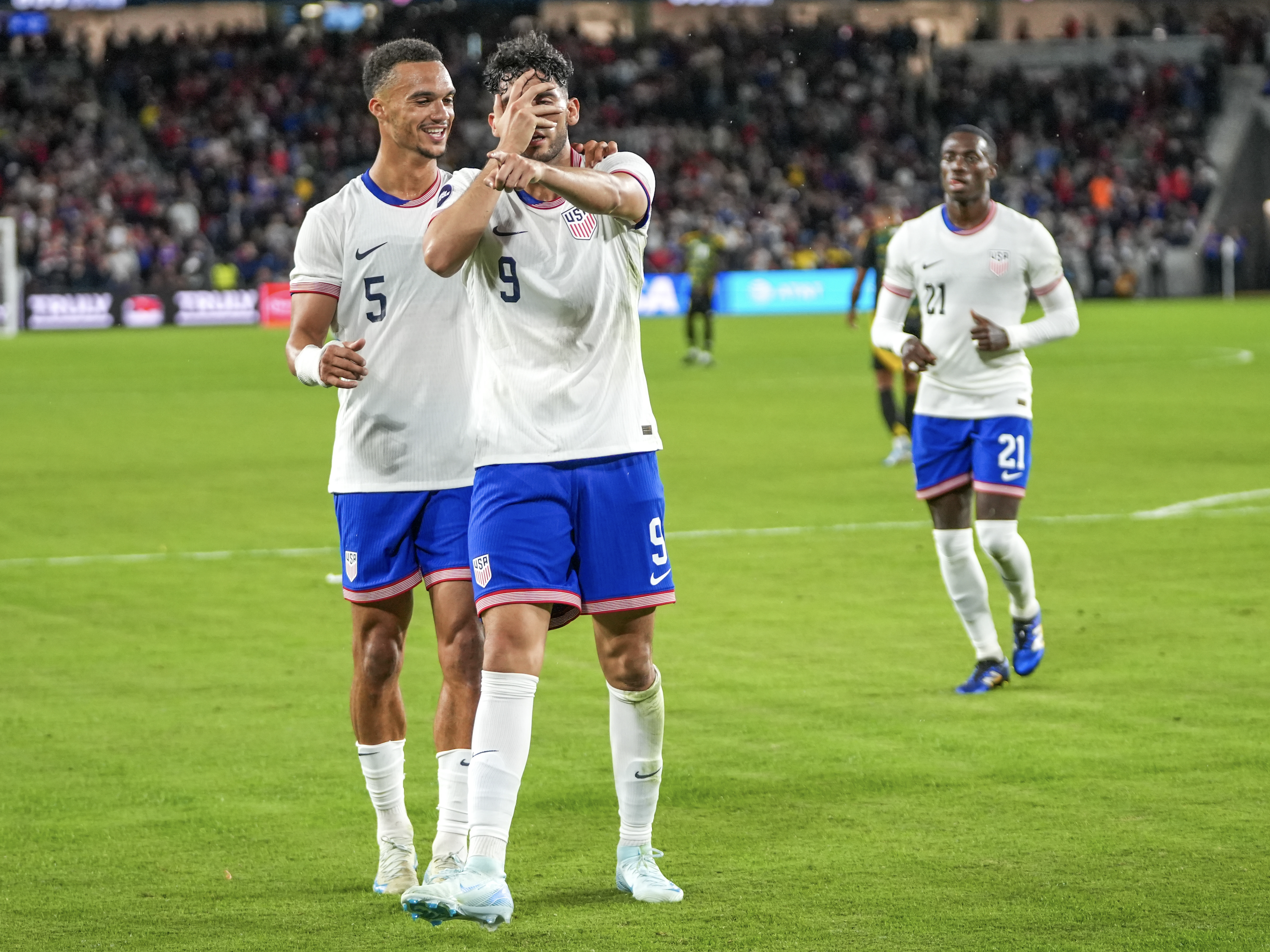
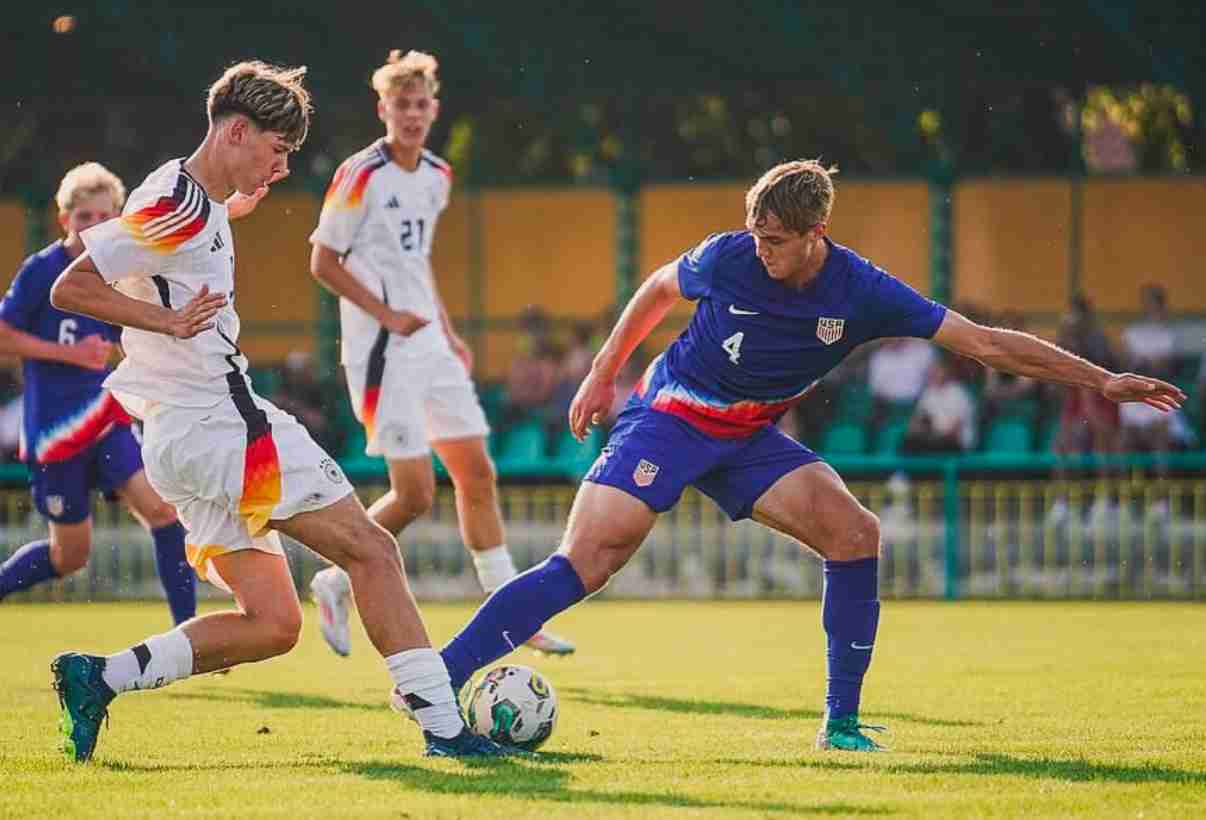
With some ultra-talented age groups coming through the younger brackets, there's even more incentive to crank up the number of opportunities to get top players into camp – the U.S. will undoubtedly be rewarded at the U-17 and U-20 World Cups once that happens.
National Training Center a “Game-changer”
The tenures of the current USSF leadership have been nothing short of eventful. Truthfully, there are several things they can hang their hat on, but perhaps none more so than the under-construction Arthur Blank National Training Center in Atlanta, Georgia. The groundbreaking new 200-acre facility is being funded by a $50 million donation from the billionaire who shares its name and will provide a permanent home for both youth and senior national team camps for many years.
“The national training center is a game-changer on so many levels,” Parlow Cone said. “It accelerates many things. Many of our staff are working with one team, they’ve never been to another team’s training session or seen another one of our national teams. Think about Emma Hayes joining Mauricio (Pochettino) on the field and vice versa, and filtering that down to our youth national teams.”
https://twitter.com/ussoccer/status/1859987052105695476
While the training center is not yet complete and won’t fully open until 2026, a handful of youth national team camps have already been held at the facilities. As the Federation slowly transitions from its old headquarters in Chicago to its new ones in Atlanta, everything will slowly shift toward the southeast, and eventually, regular national team camps in the Peach State will follow.
“As J.T. and I have moved through this over the last couple of years, we’ve had many meetings on the (2026) World Cup. But we may have had way more meetings on the national training center, and we keep finding more ways that this is going to transform our sport, our organization, and the culture of who we are as U.S. Soccer.”
Expanding Talent I.D.
The first official mention of the U.S. Way actually came several hours before Crocker’s Thursday evening presentation. Early that morning, a small crowd who had braved the subfreezing temperatures before an 8:30 a.m. start time were treated to a session led by U.S. Soccer Head of Talent ID Tony LePore. Scouting department members Marieke Laurens, Garrett Biller, and Nicole Lukić made up the rest of the panel.
The presentation from some of U.S. Soccer's unsung heroes highlighted the effort the Federation has put into its Talent ID department in recent years. It has added 11 new scouting positions, bringing the full-time staff up to 23. They are also in the process of adding a talent ID manager based in Europe, representative of both the rising number of Americans overseas and the wide pool of dual-nationals eligible to play for the United States.
“65% of our current youth national team player are dual nationals,” LePore said. “I mean, that that's America. We’re a nation of immigrants. And so we've been working hard to develop a program that's more consistent and more proactive in our recruitment and retention of dual nationals, and this includes education for the players, for the parents, and for the clubs about FIFA rules.”
“It's really important for players and families as they make decisions. We have our values and our philosophy around these decisions is that we respect them, we don't pressure, but we want to make sure that they're informed and educated about when a player becomes cap-tied.”
Of course, several other vital areas of youth scouting were discussed, including the importance of potential overperformance and the relative age effect. The panel also demonstrated USSF’s work towards making youth national team ID camps more accessible, and broadening the reach of the scouring network tied to the core philosophy that “every player deserves the opportunity to be scouted.”
A Legacy for 2026 and 2031
It’s hard to believe, but the 2026 World Cup is now less than 18 months away. As FIFA and U.S. Soccer work to organize the tournament, those at the top must consider what they want the tournament’s legacy to be. The world’s greatest sporting event was a key topic of discussion in Saturday morning’s discussion, particularly given its potential to change the role of soccer in America forever.
“One of the things that we're very focused on at U.S. Soccer is, how can we use 2026 to get people to do big things now that are gonna benefit American soccer for the whole,” Batson said. “There are a number of different examples of that. I think one of the most obvious ones is the training center. The 2026 World Cup being here is an incredible forcing motion for people to come together and go do something that whenever they done before.”
“So, whether it's new owners coming into our leagues all across the country, whether it's new innovative programs happening at the youth level, whether it's a historic investments from a philanthropic standpoint to support pushing education or youth pathways, whether it's sponsors coming into our game who want to be informative of the next generation of what soccer looks like this country. I think a big formal legacy of ‘26 will be all of the things that happen ahead of time to make sure that our country was in a position to take advantage of it.”
In addition, with the U.S. shifting its focus from bidding for the 2027 Women’s World Cup toward the 2031 edition, there is an opportunity for a second top FIFA tournament to return to U.S. soil within five years. Brazil was awarded the rights to host the event in two years time, meaning the American ambition of holding a Women’s World Cup for the first time since 2003 will have to wait just a little bit longer.

“We're gonna win it,” Parlow Cone said of the 2031 bid. “We’re chomping at the bit and ready to go. it was hard for us to shift from ‘27 to ‘31, but we all felt like it was the best thing for our game to do. Personally, I didn't want the focus on ‘27 until after ‘26… I wanted that build-up so that we can put the exact same focus and energy into the Women’s World Cup that we're putting it into the next World Cup. And so having that time in between the World Cup, the learnings, I thought would be really important as well.”
“We want as many people to be able to experience the Women's World Cup as the Men's World Cup and to have similar experiences. So safe stadium, same fan size, everything will be on par. So if you're going to the men's World Cup game in ‘26, it's gonna look very similar, and you're gonna have a very similar experience in ‘31.”
Read More from the Convention:
https://meninred97.com/offseason-a-work-in-progress-says-berhalter/
https://meninred97.com/klinsmann-pochettino-is-just-here-to-win-games/