What Berhalter’s Crew teams can tell us about what’s in store for the Fire
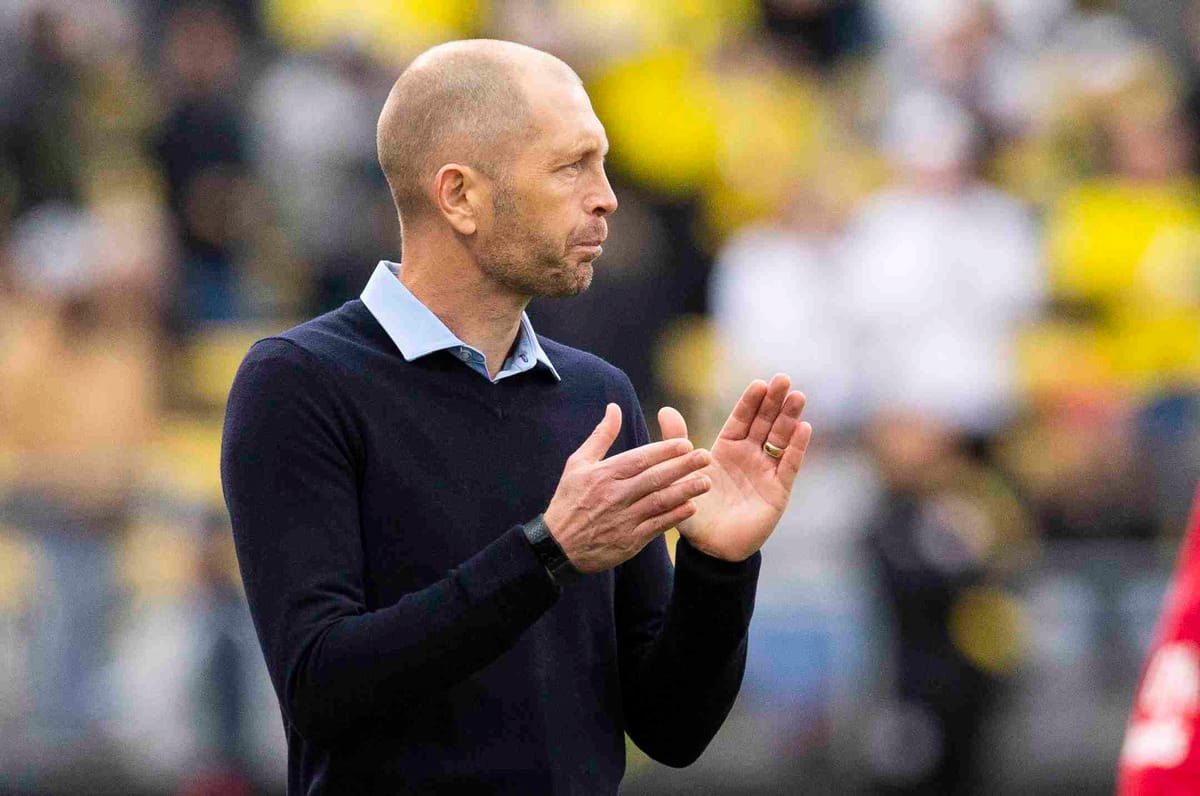
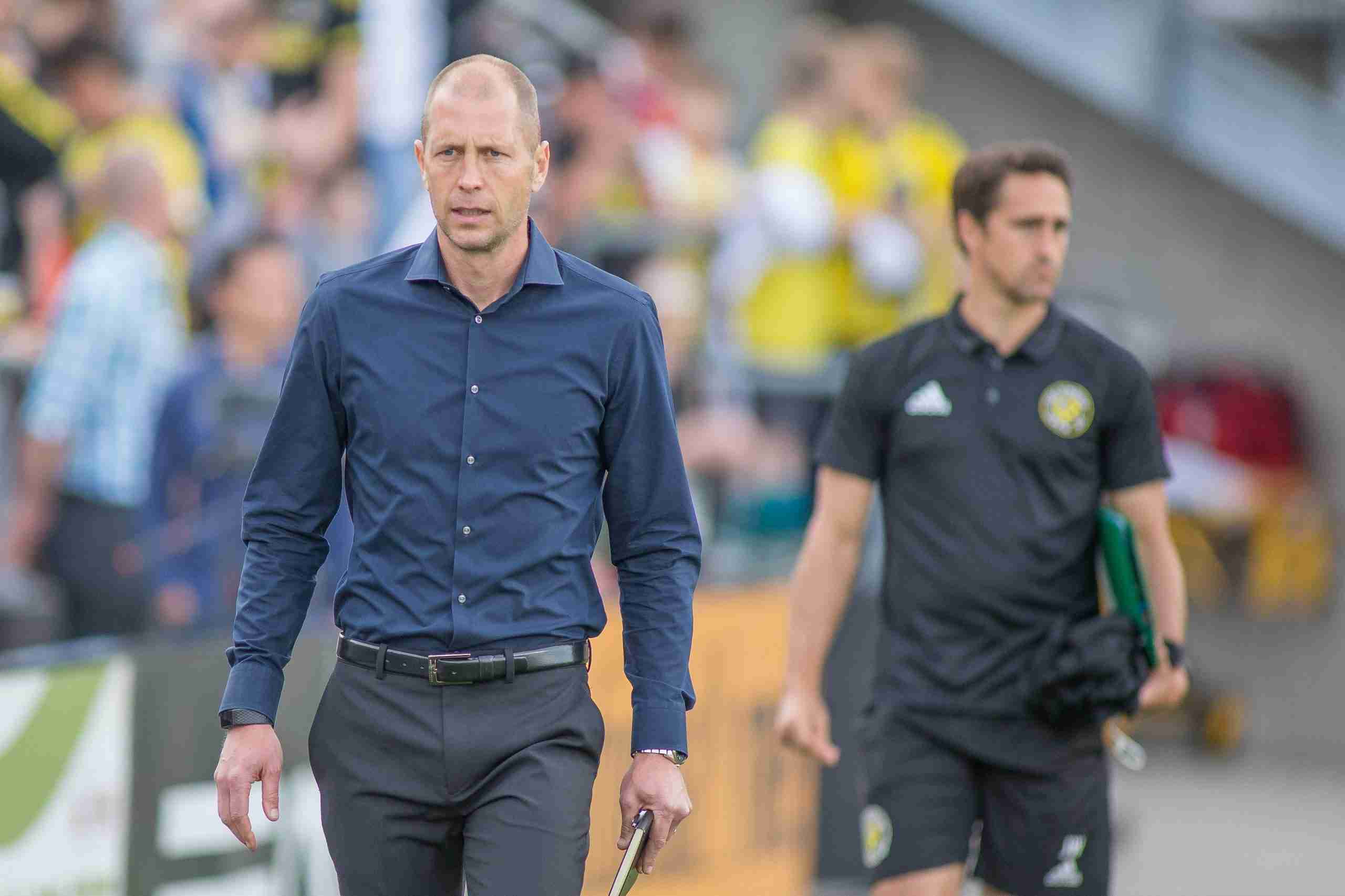
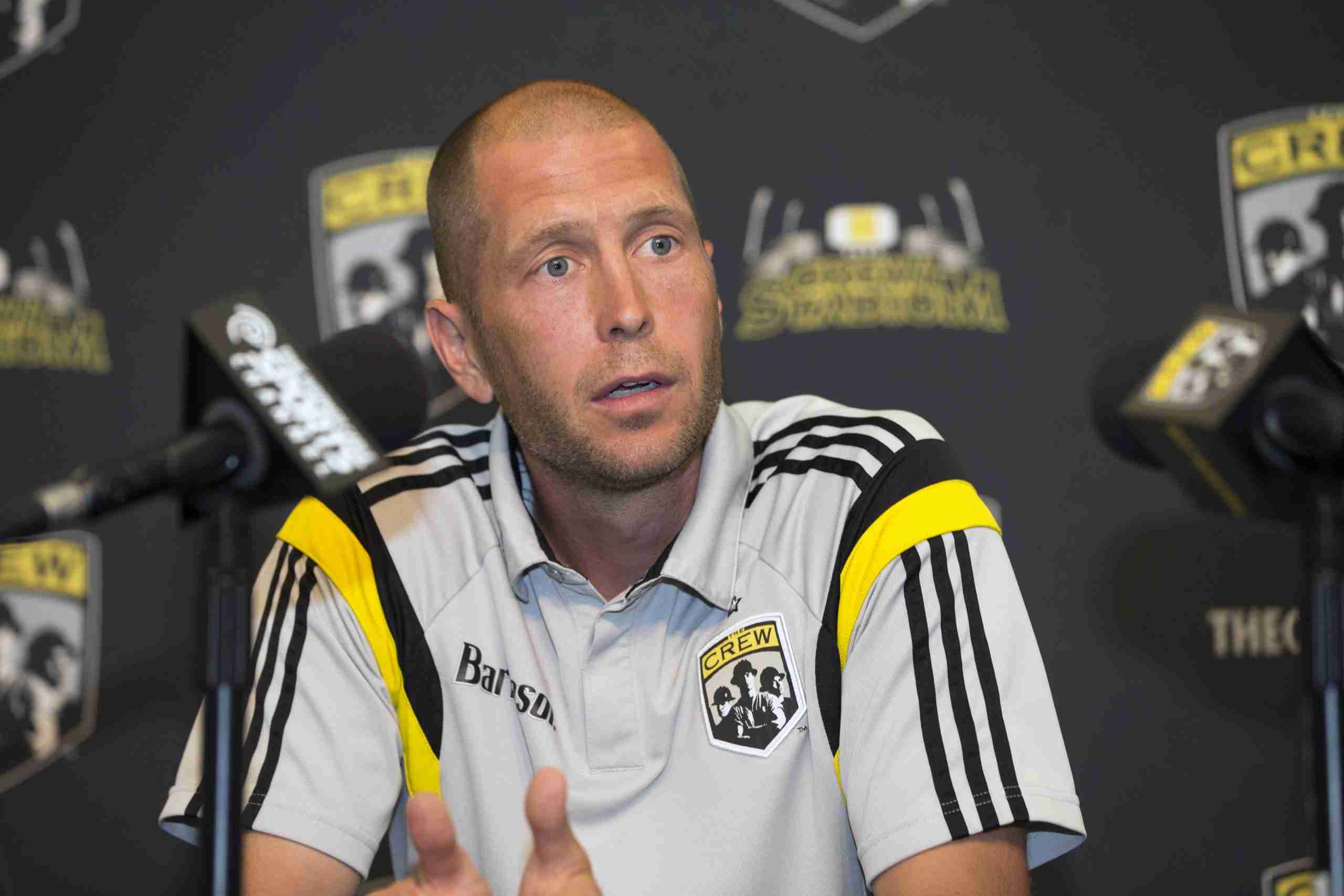
Gregg Berhalter is best known for his tenure as the head coach of the U.S. Men’s National Team, but before the 51-year-old manager took the reins of the USMNT, he was Head Coach and Sporting Director of the Columbus Crew from 2014-2018, a role he will essentially reprise with the Fire, where he has been named Head Coach and Director of Football.
While the league has changed since Berhalter was last in the dugout for an MLS match, with new roster mechanisms like the U22 Initiative a significantly higher salary cap, looking at his performance with the Crew, both as a coach and a sporting director, gives clues as to how he will tackle his job with the Fire.
With Berhalter in charge of the Crew, the team had a 67W-45D-58L regular season record in MLS. After missing out on the postseason the two years prior to his appointment (as well as the year after he left), Columbus qualified for the playoffs in four out of five seasons while he was at the helm, falling short in 2016. In that span, the team made the MLS Cup final in 2015, losing out at home to the Portland Timbers, and made it to the Eastern Conference final in 2017, losing 1-0 on aggregate in the home-and-away series to eventual MLS Cup winners Toronto FC.
Player Recruitment and Management
Berhalter arrived in Columbus shortly after Anthony Precourt became owner of the Crew. Budgets in the Precourt era for Columbus were always tight, and as a result, Berhalter largely eschewed the practice – then very much in vogue in MLS – of signing aging stars from Europe, favoring instead building from within, using the draft wisely, trading for MLS-proven talent, and looking for value-oriented signings from abroad.
Some transfer moves checked multiple of those boxes: One of Berhalter’s first moves was bringing over American international Michael Parkhurst from FC Augsburg after the defender spent four years with Nordsjælland and one in Germany. Although he was a regular starter in Denmark, he couldn’t break through in the German Bundesliga, making just two appearances in the first half of the 2013-2014 season.
As a result, the Crew were able to acquire Parkhurst on a free transfer (although they had to send allocation money and draft picks to the New England Revolution, who held his MLS rights), and Berhalter quickly inserted him into a leadership role in the Columbus locker room and named him team captain, a role he would reprise at Atlanta United, his next stop, where captained the team to MLS Cup in 2018 before retiring after the following season.
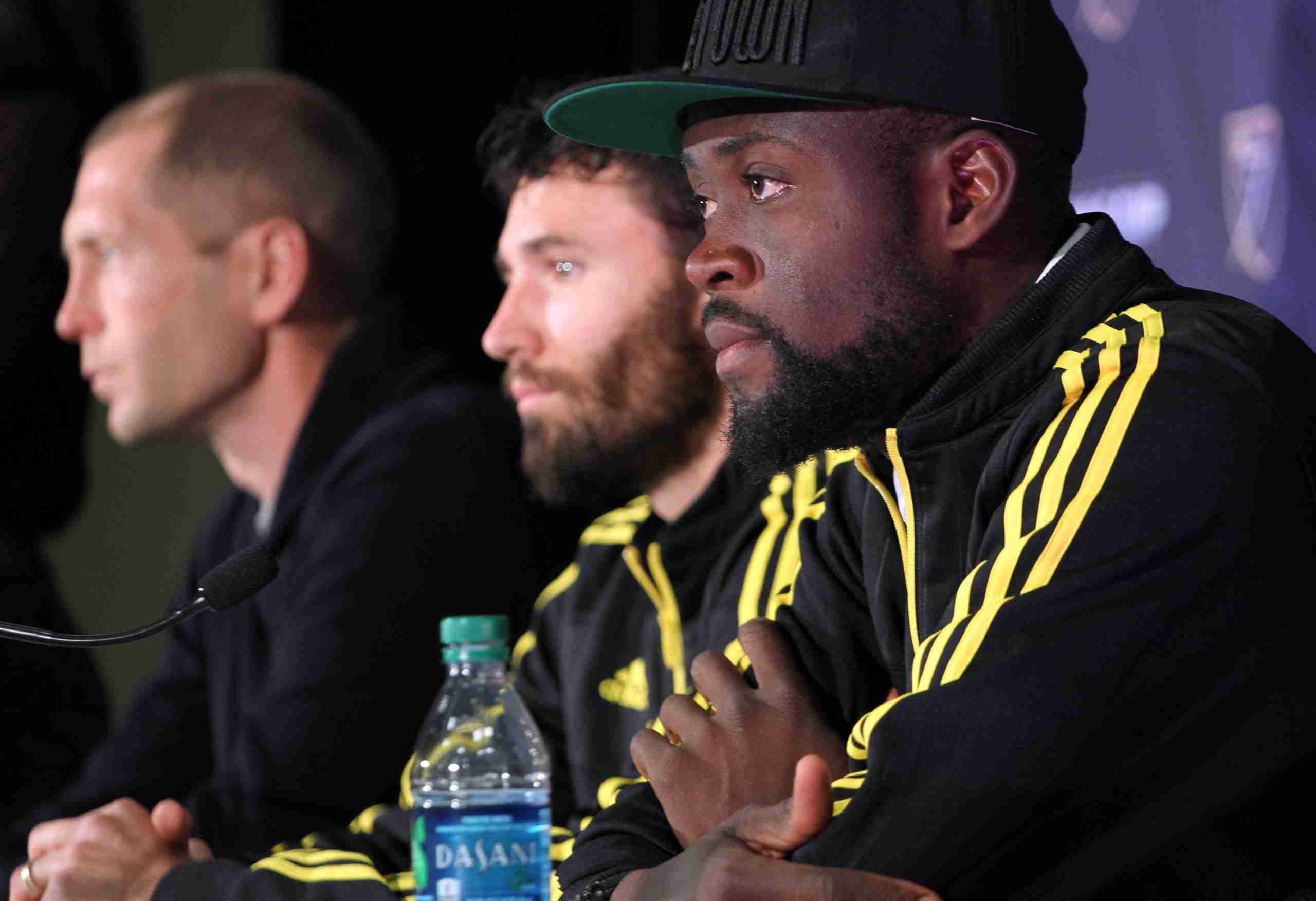
Parkhurst became the first of several examples of Berhalter finding players who were out of favor with their club and turning them around in Columbus. In late 2014, Berhalter signed Kei Kamara, who spent his first season with the Crew after the striker had a largely unsuccessful trip to England in time to play for the Crew the following year.
In 2015, Kamara had his best-ever season in MLS, scoring 22 goals – doubling his previous record of 11 set back in 2012 – earning MLS Best XI honors while tying the mark set by Golden Boot winner Sebastian Giovinco, though falling behind on tiebreakers, marking the only time in his lengthy career that the striker scored more than 14 goals.
A year later, Berhatler acquired Zack Steffen from SC Freiburg on a free transfer, before loaning the goalkeeper to the Pittsburgh Riverhounds for the remainder of the year. The time in USL helped stabilize the goalkeeper, who by his own admission, was close to quitting professional soccer before the move back to the United States. A year later, Steffen established himself as the starter in Columbus and in net for the run saw the team make it to the conference finals in the playoffs and earned MLS Goalkeeper of the Year honors in 2018. The goalkeeper was eventually sold to Manchester City for a fee reportedly near $7 million.
Berhalter ensured many players in the Crew’s system got regular minutes, loaning a number of players to the Dayton Dutch Lions and later, the Pittsburgh Riverhounds when those teams were USL affiliates for Columbus.
Tactics and Style of Play
Berhalter’s first head coaching job was Hammargy in Sweden, making him the first American-born head coach of a men’s professional team in Europe. Coming in after the team’s relegation to the second division, results improved but he was dismissed midway through his second season with the team. At the time, Hammarby’s chairman called out the team’s lack of offense in explaining his termination.
It was a label that would stick with Berhalter through his time with the Crew and, especially, in his time with the national team. At the time, Berhalter said that the lack of production wasn’t due to the team's style of play – rather, it was the opponents. “The interesting dynamic at Hammarby is that teams played very, very defensive against us,” he was quoted as saying by Andrew King 2015. “It became very difficult to break down. You’re always searching for perfection, always searching for quicker moves and finer moves and more precise shots and harder shots. And that was challenging. That was, as a coach, difficult.”
The reputation of his teams not having offensive punch, however, is undeserved at the club level: During his five years in charge of the Crew, the team scored 250 goals across 170 matches, tied with FC Dallas for sixth in the league behind then-high-powered offenses like the New York Red Bulls, L.A. Galaxy, and Toronto FC. Using American Soccer Analysis’s expected goals for (xGF), the Crew sit in fourth, behind the Red Bulls, Toronto, and Portland over that span.
Compared to those teams, the Crew were operating on a near-shoestring budget and yet Berhalter’s squad were able to get career years out of Kei Kamara (22 goals in 2015) and Gyasi Zardes (19 goals in 2018), and near-career-high production out of Ola Kamara (16 goals in 2016, 18 goals in 2017, just one shy of the 19 he would tally for D.C. United in 2021).
The notion that Berhalter’s Crew teams were defensively solid, however, is well-deserved: While he was in charge, the team allowed 240 goals – seventh fewest of teams that were in the league through his entire tenure – with an expected goals against (xGA) of 220, fifth best in the league, again just behind then-league heavyweights like Seattle and the Red Bulls.
They did this by playing largely out of a fluid 4-2-3-1 formation, with a number of similarities to the 4-3-3 that Berhalter’s USMNT squads would eventually favor. Berhalter’s Crew teams utilized aggressive, attacking fullbacks, pushing them high to stretch opposition defenses and provide width, allowing the midfielders to pinch inside and create overloads centrally.
His Crew teams prized possession – a rarity in the league in that era, when quick transition, counterattacking soccer prevailed in the league – building up from the back while playing fluid, attacking soccer. Defensively, his system relied on a deeper-lying midfielder to coordinate with the center backs to provide defensive coverage with the fullbacks joined the offense.
How Might Berhalter’s Crew experience translate to the Fire?
Since Berhalter left the league following the 2018 season, both he and the league have changed. He has undoubtedly learned from his time with the national team, but many of the principles seen in his USMNT squads had their origins in Columbus.
Expect the Fire to have more of the ball and be more fluid in the attack in 2025 than they have been in recent seasons. Expect the team to rely more on passing and build-up play rather than counterattacking.
Although not every player on the Fire’s current roster is a good fit for Berhalter’s style of play (even if I strongly disagree with Alex Calabrese’s assessment of Hugo Cuypers and think Brian Gutiérrez may have to significantly shift his role to succeed under Berhalter), a number of players had their career-best performances under the coach, and there are strong pieces already in the roster to build upon.
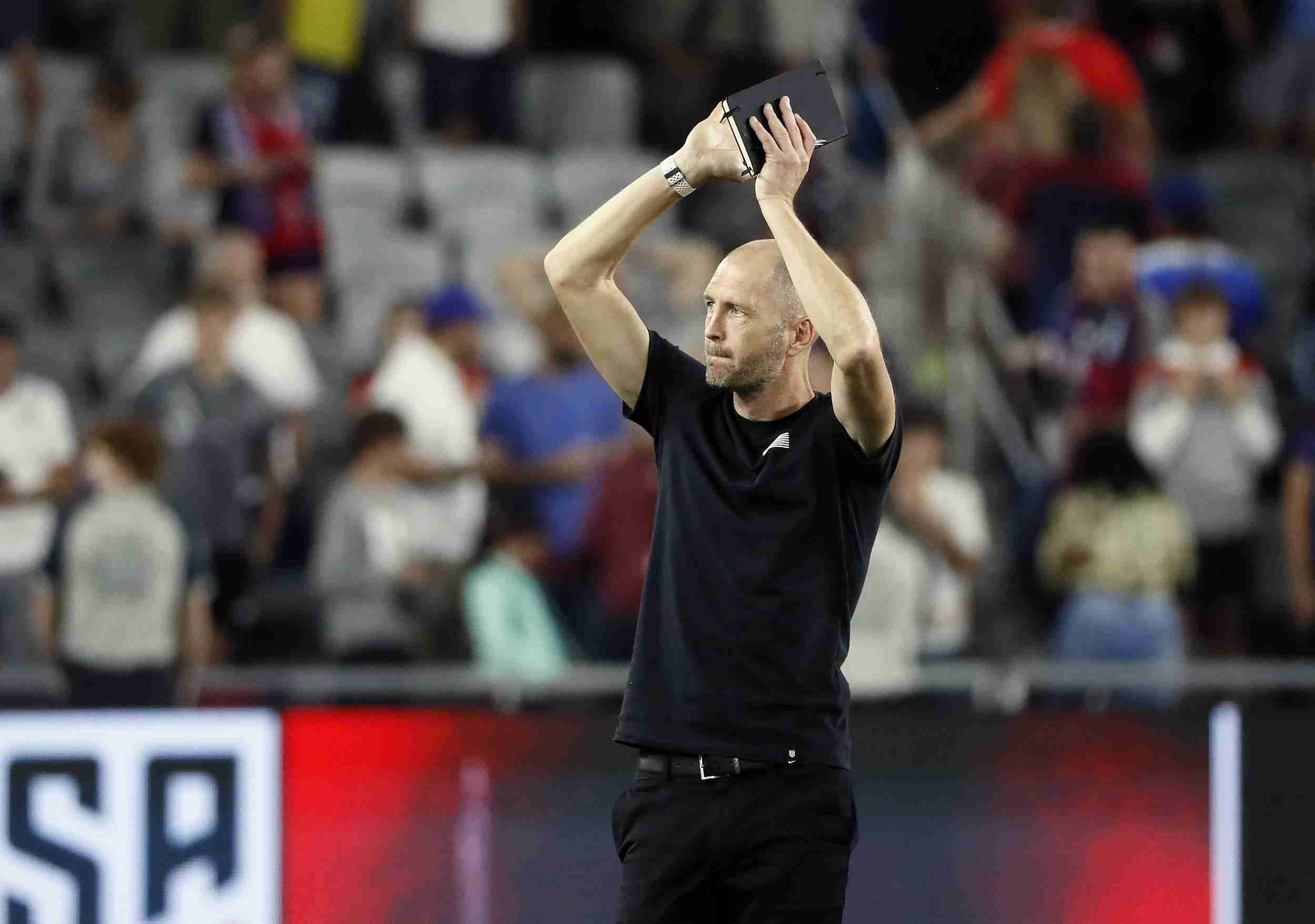
Unlike his time in Columbus, however, Berhalter is at a club that is willing to spend freely (albeit, within the multitude of roster restrictions in MLS) in pursuit of success, and unlike in his time with the national team, where he was restricted to players eligible to represent the United States, he will be able to recruit players from around the world and bring them into his squad.
This means that, although there will doubtless be a transition period as the team recruits new signings and finds ways to move on from players who don’t fit the system, for the first time in his career, Berhalter can have a roster at his disposal that isn’t at a talent deficit compared to top-rated opponents, as he often was both with the Crew and with the U.S. Men’s National Team.
Overall, even thought he league has changed since Berhalter last coached an MLS game, it has largely changed in ways that suit the new Fire gaffer's style of play, and which he helped catalyze in some ways. The key question becomes how quickly Berhalter and the Fire front office can find ways to move on from players that do not fit in future plans and bring in new signings, whether from within the academy or MLS or abroad.